
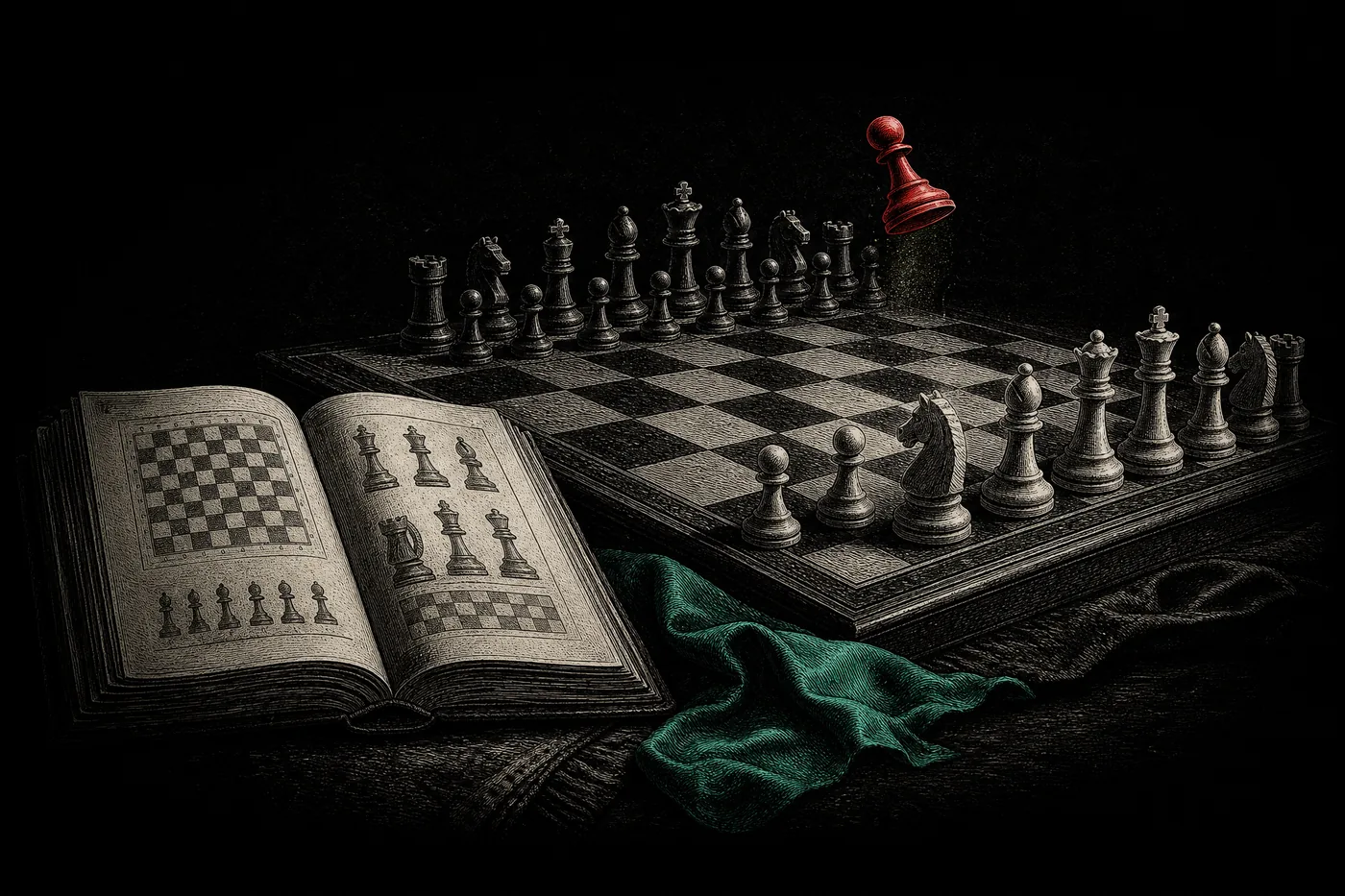
Stalemate is a draw that happens when a player whose turn it is has no legal move to make — but their king is not in check. No piece can move, no pawn can advance, the king can’t budge to a safe square, and yet nothing is attacking the king. Because the rules say you can’t put your own king in check and you must make a move, the game simply ends in a draw.
The kicker? Stalemate often strikes the player who’s winning. It’s the cruelest “gotcha” in chess — and once you understand it, you’ll stop blundering it away (and start using it to save lost games).
The 10-second version
- Stalemate = no legal move + NOT in check it’s a draw.
- Compare: checkmate = no legal move + IN check it’s a loss.
- The losing side can “trick” their way to stalemate to rescue a hopeless position.
- The single difference between mate and stalemate is whether the king is in check.
What is stalemate in chess?
Two rules collide to create stalemate. First, on your turn you have to make a legal move — passing isn’t allowed in chess. Second, you can never make a move that leaves your own king in check. So when a player has zero moves that satisfy both rules, and their king isn’t currently under attack, the game can’t continue and can’t be won. It’s declared a draw on the spot.
Here’s the cleanest possible example:
It’s Black’s move. The black king sits on a8 with nothing else on the board but a lonely white pawn and king. Is the king in check? No — nothing attacks a8 right now. But where can it go? The square b8 is covered by the white pawn on a7; the square b7 is covered by the white king on a6; and a7 is occupied. Every option is illegal. No legal move, not in check stalemate, draw. White had a winning position and just threw away the full point.
Stalemate vs checkmate: the difference that decides everything
This is the distinction beginners must master, because getting it wrong literally flips a win into a draw (or a loss into a save):
| Checkmate | Stalemate | |
|---|---|---|
| Is the king in check? | Yes | No |
| Any legal moves? | No | No |
| Result | The player loses | Draw — nobody wins |
Read that table twice. Both situations mean “the player to move has no legal move.” The only thing separating a glorious win from a frustrating draw is whether that helpless king happens to be in check at that exact moment. In check + stuck = checkmate, you win. Not in check + stuck = stalemate, draw.
Here’s the heartbreaker version. White has a queen and king versus a lone king — totally winning. But White carelessly parked the queen on f7. Now it’s Black’s move: the king on h8 isn’t in check, but g8, g7, and h7 are all covered by that queen and king. No legal move, no check. Stalemate. One sloppy queen move and a crushing win evaporates into a draw. This exact scenario happens to beginners constantly.
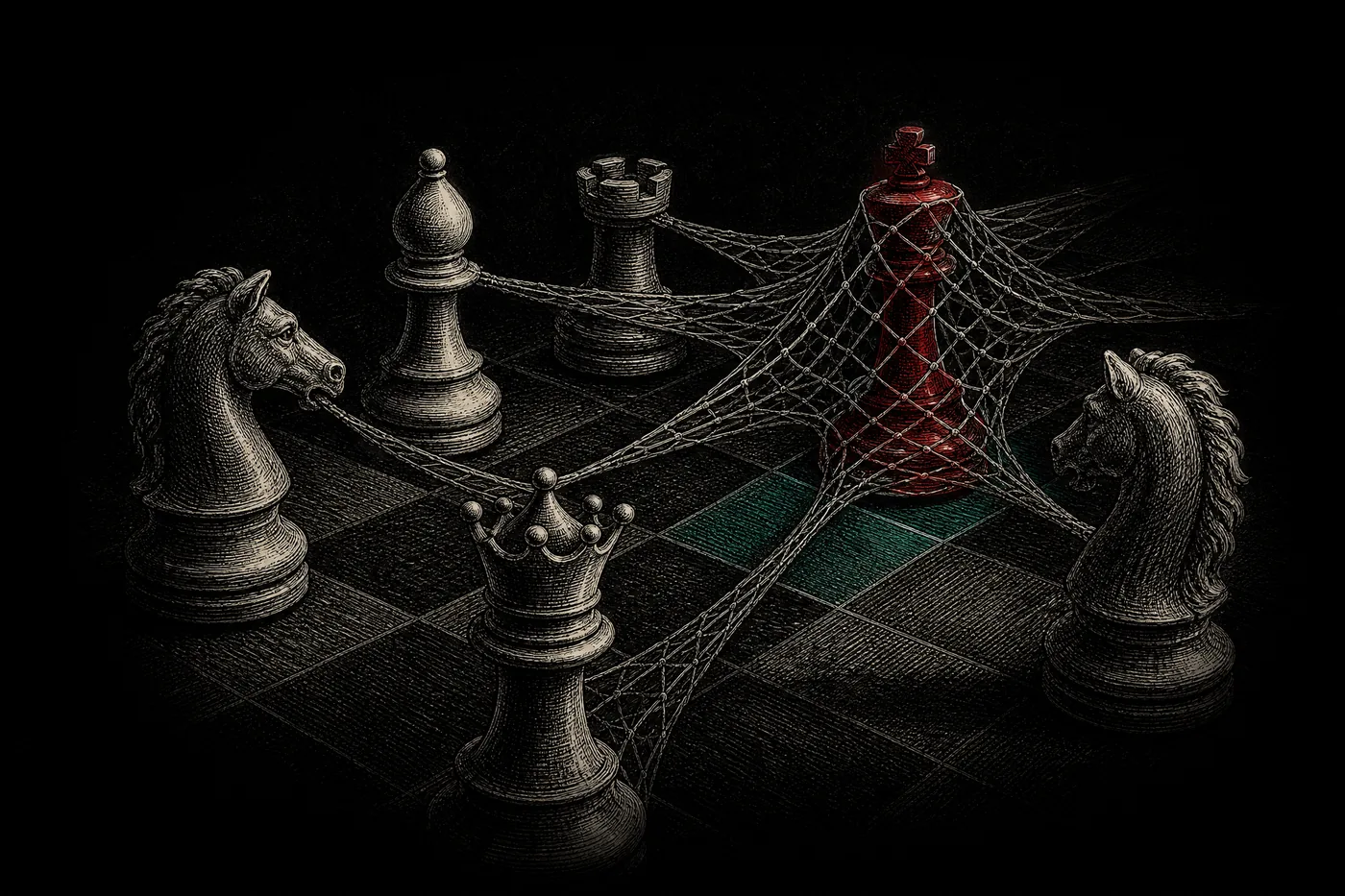
Is stalemate a draw or a win?
A draw — always, with no exceptions, in standard chess. Neither player wins. This surprises a lot of newcomers who assume trapping the opponent so completely should count as a win. But the rules are crystal clear: stalemate splits the point. (Fun aside: for centuries the rule was actually debated, and in some historical and regional variants stalemate counted as a win or even a loss. Modern chess settled firmly on “draw” — so the down-on-their-luck player gets a lifeline.)
How do you avoid stalemate? (When you’re winning)
Most stalemates happen when one side is way ahead and rushes the finish. Here’s how to never throw a win away:
- Always leave the enemy king a legal square — until you’re delivering actual checkmate. If you’re going to take away its last escape, make sure that move is check. No check = stalemate.
- Slow down with a lone enemy king. When it’s just their king left, double-check before every move: “Will this leave them with zero legal moves? If so, is it check?”
- Bring your king up to help. In endgames like king-and-queen vs king, you use your king to box the enemy in and your queen to deliver the final blow — keeping a square open until the mating move.
- Don’t get greedy with the queen. A queen alone can accidentally smother every escape square without giving check. Keep it a knight’s-move away from the cornered king until it’s time to finish.
The mantra: before any move against a nearly trapped king, ask “is this check or stalemate?”
How do you use stalemate? (When you’re losing)
Flip it around — stalemate is a legitimate, brilliant resource when you’re the one getting crushed. If you’re down a ton of material and losing anyway, your sneaky goal becomes: get yourself into a position with no legal moves while not in check. Sacrifice your last pieces, shuffle your king into a corner, and hope your overconfident opponent boxes you in without checking. Many a lost game has been salvaged to a draw this way. It’s not cheating — it’s the rules working in your favor.
What pieces can cause stalemate?
Pretty much any piece can be involved, but the most common culprits are the queen (its huge coverage smothers escape squares) and a lone enemy king with no other pieces to move. Pawns matter too — a player whose only pieces are blocked pawns that can’t legally advance, with a king that has no safe square, is stalemated. The trigger is never about one specific piece; it’s about the whole position leaving zero legal moves with no check.
Common mistakes to dodge
- Rushing a won endgame. The #1 cause of accidental stalemate. Slow down when the opponent is nearly trapped.
- Removing the king’s last square without giving check. If your move takes away the final escape and isn’t check, you’ve just stalemated. Make it check, or leave a square.
- Forgetting blocked pawns can’t move. If a player’s only “moves” are pawns jammed behind other pieces, those aren’t legal moves at all — stalemate may be lurking.
- Assuming stalemate is a win. It is not. Treat it as a disaster when you’re ahead, and a goal when you’re behind.
Key takeaways
- Stalemate = no legal move + king NOT in check draw.
- It’s the mirror of checkmate (no legal move + king in check loss). The only difference is the check.
- Stalemate is always a draw in standard chess — never a win.
- Avoid it when winning: never remove the king’s last square unless your move is check.
- Use it when losing: engineering a stalemate can rescue a hopeless game.
Keep climbing
Stalemate only makes sense once you’ve locked in its two cousins. Make sure check and checkmate are crystal clear, then you’ve got the full picture.
Next up: What is checkmate? · Also essential: what is check and the full rules of chess.
Written and fact-checked by the Chess Lab Academy Editorial Team (AI-assisted, human-edited) · Rules verified against the FIDE Laws of Chess and every position checked with Stockfish 17 · Last verified 2026-06-25 · Sources · How we verify content.
