Here’s the honest answer most people don’t want to hear: you get better at chess by fixing your biggest leak first, not by learning fancy openings. For almost everyone under 1200, that leak is hanging pieces and missing simple tactics. Stop those, add a pinch of endgame technique, and your rating climbs on its own. This roadmap shows you exactly what to work on at every level — no fluff, no “just play more.”
So whether you’re stuck under 600 or knocking on the door of 1200, here’s the whole ladder, one rung at a time.
The 30-second roadmap
- Under 600: Learn the rules cold, stop hanging pieces, checkmate with a queen.
- 600–800: Spot one-move tactics (forks, pins) and stop falling for them.
- 800–1000: Calculate two moves deep, fix the back rank, develop every piece.
- 1000–1200: Make real plans, win won endgames, punish loose pawns.
- The universal rule: Blunder less. That single habit beats every opening you could memorize.
How do you actually get better at chess?
Improvement isn’t mysterious. It’s a stack of skills, and you build it bottom-up. Think of it like a video game where you can’t skip levels — you don’t beat the final boss by reading about it, you beat it by clearing every stage before it.
Here’s the part beginners get backwards: they spend hours on openings (the least important thing at their level) and zero time on not blundering (the most important). At 800 Elo, nobody is punishing your slightly-inaccurate move 7. They’re punishing the move where you left your rook hanging on move 14.
So the whole game plan is simple:
- Plug the leak that’s costing you the most points — usually blunders.
- Add the next skill up once that one’s solid.
- Repeat. Each rung has a clear focus. Master it, climb, move on.
What should you study at each rating?
This is the heart of the roadmap. Find your band, click in, and follow the plan. Each page below is a focused, week-by-week guide — but here’s the bird’s-eye view so you can see where you’re headed.
| Your rating | The #1 thing to fix | The skill that unlocks the next level |
|---|---|---|
| Under 600 | Rules + giving away pieces for free | Confident checkmating with the queen |
| 600–800 | Falling for one-move tactics | Spotting forks and pins before they happen |
| 800–1000 | Calculating only one move deep | Seeing the opponent’s reply (and the back rank) |
| 1000–1200 | Playing move-to-move with no plan | Turning small edges into wins + basic endgames |
Pick your starting line:
- How to reach 600 Elo (absolute beginner plan)
- How to get from 600 to 800 Elo
- How to get from 800 to 1000 Elo
- How to get from 1000 to 1200 Elo
What’s the single most important habit?
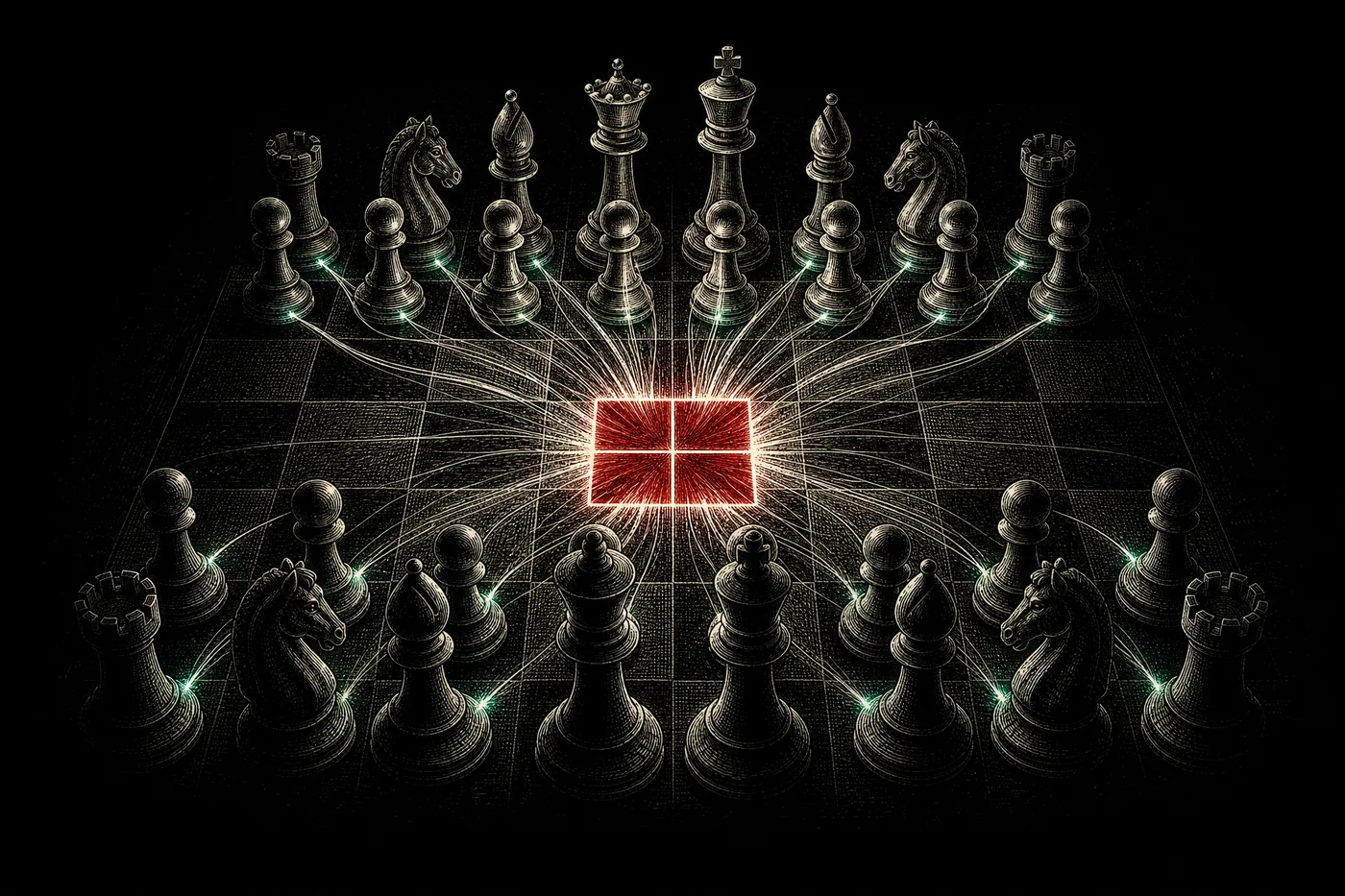
If you only change one thing, change this: before every move, ask “is anything of mine hanging, and what is my opponent trying to do?” That’s it. That one ten-second check is worth more than any opening repertoire below master level.
Players love to blame their openings. But pull up any sub-1200 game and run it through an engine — the swings almost never come from the opening. They come from a free knight, a missed fork, a back-rank mate. Chess at this level is a game of who blunders last. Become the person who blunders less, and you’ll out-climb people who’ve memorized twice as much theory as you.
This is why every page in this roadmap circles back to the same theme: see more before you move.
How do you build a study routine that sticks?
The roadmap only works if you actually run it, so make it stupidly easy to show up. A routine that survives a busy week looks something like this:
- 5 minutes of tactics puzzles. Non-negotiable, every day. This is the highest-return habit in all of chess at your level — it’s the gym for the pattern-recognition muscle that wins games.
- One slower game where you actually think. Not ten bullet games. One game with a clock long enough that you can run your “is anything hanging? what’s their threat?” check on every move.
- A two-minute review of that game. Find the single biggest mistake. Just one. Ask why you made it, and what you’d do differently. Tomorrow, watch for that exact pattern.
That’s twenty minutes. The magic isn’t the volume — it’s the loop: play, spot a leak, fix the leak, repeat. Most people who plateau aren’t lazy; they’re just playing without ever closing that feedback loop. Don’t be most people.
A handy mental model: treat every loss as a bug report. It’s not a verdict on you — it’s a free, specific, personalized note telling you exactly which skill to patch next. The fastest improvers are the ones who read their bug reports.
How long does it take to get good at chess?
Faster than you’d think for the early gains, slower than you’d like for the later ones. Here’s a realistic picture if you study smart (not just play blitz on autopilot):
- Total beginner 600: a few weeks of learning the rules and tactics basics.
- 600 1000: a few months of consistent tactics practice and clean play.
- 1000 1200: longer — this is where you start needing real plans and endgame skill.
The big secret? Consistency beats marathons. Twenty focused minutes a day — a few tactics puzzles, one slow game you actually think during, a quick review — will rocket you past someone who binges three hours on Sunday and forgets it all by Tuesday.
A fun bit of chess history
The rating numbers you’re chasing come from a Hungarian-American physics professor named Arpad Elo, who designed the system in the 1960s. Before Elo, chess rankings were a mess of opinions and politics. Elo turned “who’s better” into math: beat someone, your number goes up; lose, it goes down — and beating a stronger player is worth more. The whole ladder you’re climbing, from 400 to 2800, runs on his formula. So when you say “I gained 50 Elo this week,” you’re literally name-dropping a 1960s physicist. Chess is nerdy like that, and we love it.
Common improvement mistakes to dodge
- Studying openings way too early. It feels productive. It isn’t, not yet. Learn opening principles (develop, castle, control the center), not 15-move memorized lines.
- Only playing fast games. Bullet and blitz are fun, but they train your reflexes, not your thinking. You climb fastest by playing slower games where you actually calculate.
- Never reviewing your losses. Your losses are a free, personalized list of exactly what to fix. Skipping them is like throwing away the answer key.
- Skipping endgames entirely. Boring? Maybe. But knowing how to convert a winning endgame turns dozens of “draws” and “blunders” into clean points.
- Comparing yourself to titled players. Their games won’t teach a beginner much. Watch and study at your level, just slightly above.
Key takeaways
- Getting better at chess = plugging your biggest leak first, then climbing one rung at a time.
- The biggest leak below 1200 is almost always blunders and missed simple tactics — not openings.
- Build skills bottom-up: rules tactics calculation plans + endgames.
- The one universal habit: scan for hanging pieces and the opponent’s threat before every move.
- Consistency beats cramming. Twenty smart minutes a day wins.
Keep climbing
Ready to start? Find your rating band and follow its focused plan — each one gives you a week-by-week roadmap and the exact patterns to drill.
Start here: Under 600 · 600–800 · 800–1000 · 1000–1200 · And brush up on common beginner mistakes, forks, and basic checkmates.
Written and fact-checked by the Chess Lab Academy Editorial Team (AI-assisted, human-edited) · Positions verified with Stockfish 17, rules per the FIDE Laws of Chess · Last verified 2026-06-25 · Sources · How we verify content.