
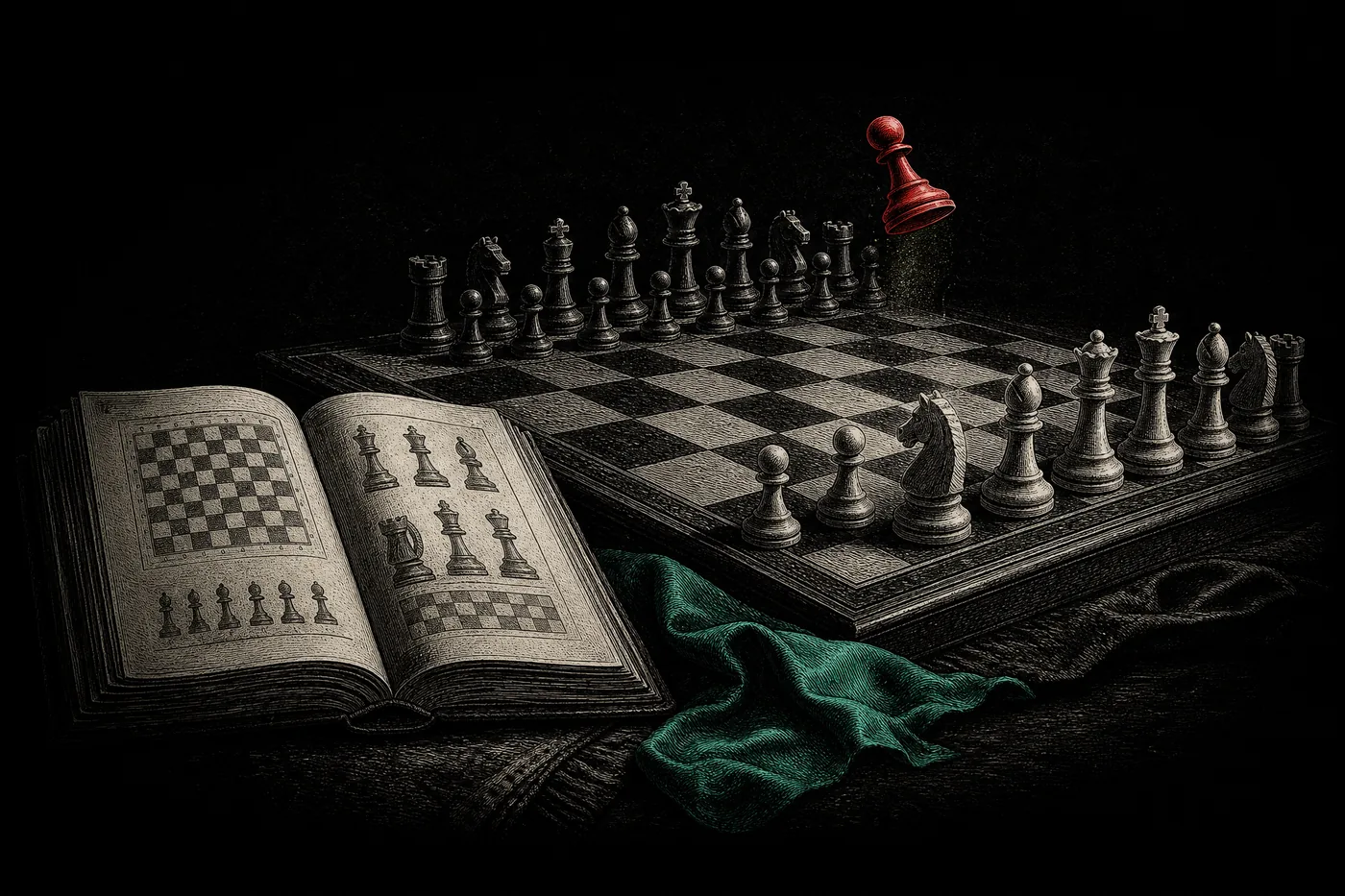
King safety in chess means keeping your king tucked away from danger — usually castled into a corner, shielded by its own pawns, and far from open lines and enemy pieces. It’s the most underrated skill at the beginner level: an exposed king loses games no matter how clever your other plans are. Protect the king, and everything else gets easier.
You can play a brilliant attack — but if your own king is naked, none of it matters. Here’s how to keep yours alive.
The 10-second version
- Castle early to move your king to the corner and raise a rook.
- Keep the pawn shield intact — the three pawns in front of a castled king.
- Don’t open lines (files or diagonals) pointing at your own king.
- Make luft — a small escape square — to avoid back-rank mate.
What does “king safety” actually mean?
Your king is the one piece you can never lose — checkmate the king and the game’s over instantly. So unlike every other piece, the king’s job in the opening and middlegame isn’t to do things. It’s to survive.
King safety is the bundle of habits that keep your king out of trouble:
- It’s tucked in a corner, not stranded in the center.
- It’s hiding behind a wall of its own pawns.
- No enemy pieces have a clear highway (an open file or diagonal) pointed at it.
When all three are true, your king can relax while the rest of your army goes to work. When even one breaks down, you’re suddenly defending for your life.
Why is castling so important for king safety?
In the opening, your king starts on e1 (or e8) — dead center, the most dangerous square on the board, where files and diagonals get pried open fast. Leaving it there is like parking your car in the middle of a highway.
Castling fixes this in a single move: it whisks the king into the corner and brings a rook toward the center. That’s why “castle early” is a core opening principle, and why we wrote a whole guide on how to castle. If you do one thing for king safety, castle — ideally within the first ten moves.
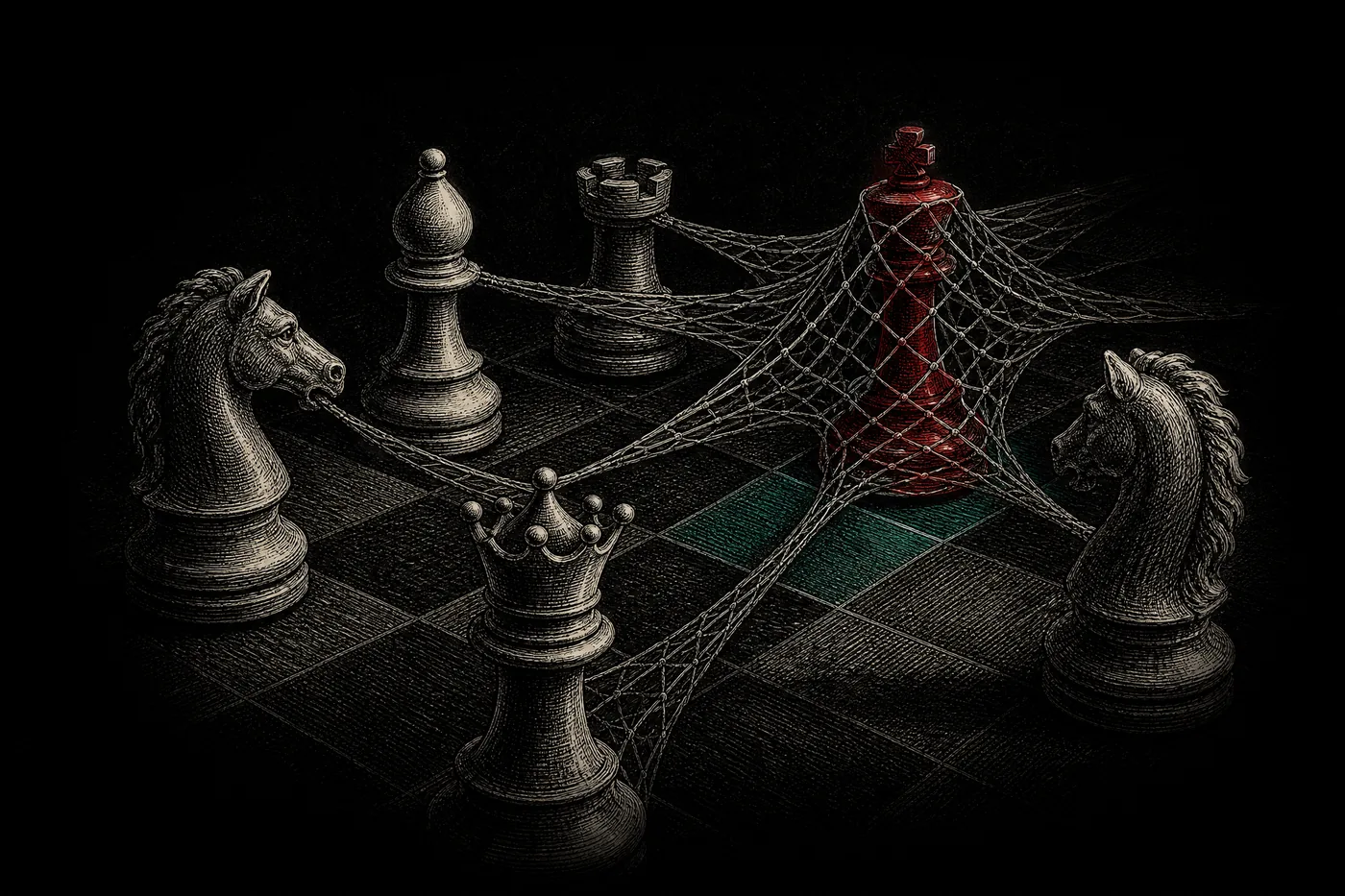
What is a pawn shield, and should you keep it intact?
After you castle kingside, three pawns sit directly in front of your king — the f, g, and h pawns. That’s your pawn shield: a little fortress wall that blocks enemy attackers from reaching the king.
The golden rule: don’t poke holes in your own shield without a very good reason. Every pawn you push forward leaves a gap behind it, and gaps are where enemy pieces sneak in.
The most notorious example is pushing the g-pawn in front of a castled king (say, g2–g3 or g2–g4) when you don’t need to. It can weaken the diagonals and squares around your king, inviting a queen or bishop to come knocking. Sometimes there are good reasons to advance a shield pawn — but as a beginner, your default should be “leave them be.”
What is a back-rank mate, and how do you avoid it?
Here’s an irony of castling: the same pawn shield that protects your king can also trap it. Picture a castled king on g1 with pawns on f2, g2, h2 and nothing else around. If an enemy rook or queen slides onto the back rank (the first rank) and gives check, your king has nowhere to run — its own pawns block every escape. That’s a back-rank mate, and it ends countless games.
The fix is simple and has a fun name: luft (German for “air”). You make a little breathing hole for your king by nudging one shield pawn forward one square — usually h2–h3 (or h7–h6 for Black). Now if a rook checks on the back rank, your king can step up to h2 and escape. One small pawn move buys a lot of safety. Just don’t do it so early that you weaken your shield for no reason — make luft when back-rank threats are actually brewing.
Why does king safety win games?
Because checkmate ends everything instantly. You can be up a queen, two rooks, and a stack of pawns — but if your king gets mated, none of it counts. Material, space, fancy plans: all of it is in service of the one thing that actually ends the game, which is hunting (or protecting) the king.
That’s why strong players obsess over it. Before launching an attack, they ask: is my own king safe enough to go all-in? A safe king lets you attack fearlessly. An unsafe king means every move you make is one your opponent can answer with a counterattack at your own monarch. King safety isn’t a defensive afterthought — it’s the platform your whole game stands on.
A fun bit of history
The word luft entering chess vocabulary is a nice reminder of how international the game is — it’s plain German, adopted wholesale by English-speaking players because there just wasn’t a snappier English word for “the escape hole you make for your king.” Chess is full of borrowed words like this: zugzwang (German, “compulsion to move”), en passant (French, “in passing”), fianchetto (Italian, “little flank”). When you learn king safety, you’re picking up a little world tour of chess language along the way.
Common mistakes to dodge
- Not castling. The single biggest king-safety blunder. A king in the center is a king in danger.
- Pushing shield pawns for no reason. Especially the g-pawn. Holes around your king are an open invitation.
- Forgetting the back rank. Beginners get mated on the first rank constantly. Make luft when a rook or queen could reach it.
- Opening lines toward your own king. Trading off the pawns or pieces that shield your king can crack it wide open — think before you trade near your king.
- Castling into an attack. If the enemy already has pieces and open lines aimed at one side, castling there can be running into the fire. Glance at the target first.
Key takeaways
- King safety = your king tucked in a corner, behind a pawn shield, away from open lines.
- Castle early — it’s the fastest, simplest way to make your king safe.
- Keep your pawn shield intact; don’t push those pawns without a reason.
- Make luft (a one-square escape hole) to dodge back-rank mate.
- A safe king is the platform every winning plan stands on.
Keep climbing
King safety and castling go hand in hand — if you haven’t nailed the mechanics yet, start there.
Next up: How to castle · Also handy: the opening principles every beginner needs and what checkmate really means.
Written and fact-checked by the Chess Lab Academy Editorial Team (AI-assisted, human-edited) · Concepts and positions verified against the FIDE Laws of Chess and Stockfish 17 · Last verified 2026-06-25 · Sources · How we verify content.
