

Buying chess equipment should be the fun part — but it’s also where it’s easiest to overspend on the wrong thing. The good news: for almost everyone, the ideal first setup is refreshingly simple and inexpensive. This hub is your honest roadmap to all of it — sets, boards, pieces, clocks, and the books, apps, and websites you’ll actually learn from. No fake products, no invented prices, no “we tested these” star ratings. Just real criteria, genuine standards, and well-established names described by their reputation.
Where to start
- Buying your first set? Read how to choose a chess set and the best sets for beginners.
- Heading to a tournament? See the tournament set and chess clock guides.
- Want to learn, not just play? Jump to the best books, apps, and websites.
How to think about buying chess equipment
Before you spend a cent, three honest truths save most beginners a lot of money:
- A modest set does everything a fancy one does. A sturdy plastic Staunton set with weighted pieces plays exactly as well as an heirloom rosewood one. The pieces move the same either way — the difference is looks and feel, not chess.
- Match the pieces to the board, not the other way around. The most common buying mistake is a size mismatch — pieces too big or small for the squares. Regulation guidance ties the king’s height to the square size (broadly, a ~3.75″ king on ~2.0–2.25″ squares for tournament play). Our board sizes and how to choose guides cover the exact ratios.
- Buy for how you’ll actually play. A kid learning at home, a traveler, and a club player all need different things. Don’t buy a luxury set before you’ve played much — grow into the gear.
Everything below is organized so you can go straight to the decision you’re making right now.
Choosing a set
The core decisions for your board and pieces — start here if you’re buying your first “real” set:
How to choose a chess set · Best chess sets for beginners · Chess board sizes & square dimensions · Staunton pieces explained · Weighted pieces: what they are & why they matter
Materials & types
Once you know the size you need, these guides help you pick the right build for your budget and use case:
Wood vs plastic chess sets · Chess set materials · Magnetic chess sets · Travel chess sets · Luxury chess sets · Tournament chess sets
Tools
The kit that turns a set into a full playing setup — for timed games and for recording or broadcasting:
Chess clocks: how to choose one · Electronic chess boards explained
Learn from
Gear is only half the story — these guides cover where the real improvement comes from, all described honestly by reputation:
Best chess books for beginners · Best chess apps · Best chess websites
A quick honesty note
You’ll notice this whole section avoids fake “top pick” rankings, invented model numbers, and made-up prices. That’s deliberate. Chess equipment is a place where it’s easy to lose a reader’s trust with a fabricated review, so we stick to what’s real: FIDE equipment standards, the well-known Staunton pattern, honest material trade-offs, and genuinely famous books and platforms named by their long-standing reputation (and cited). When we point you toward a category — “a triple-weighted plastic Staunton set in the tournament size range” — that’s advice you can act on anywhere, not a link to one specific product.
What most beginners actually need
If you just want the shortest possible shopping list to start playing seriously:
- A regulation-size plastic Staunton set with weighted pieces and a matching roll-up board — see how to choose and tournament sets.
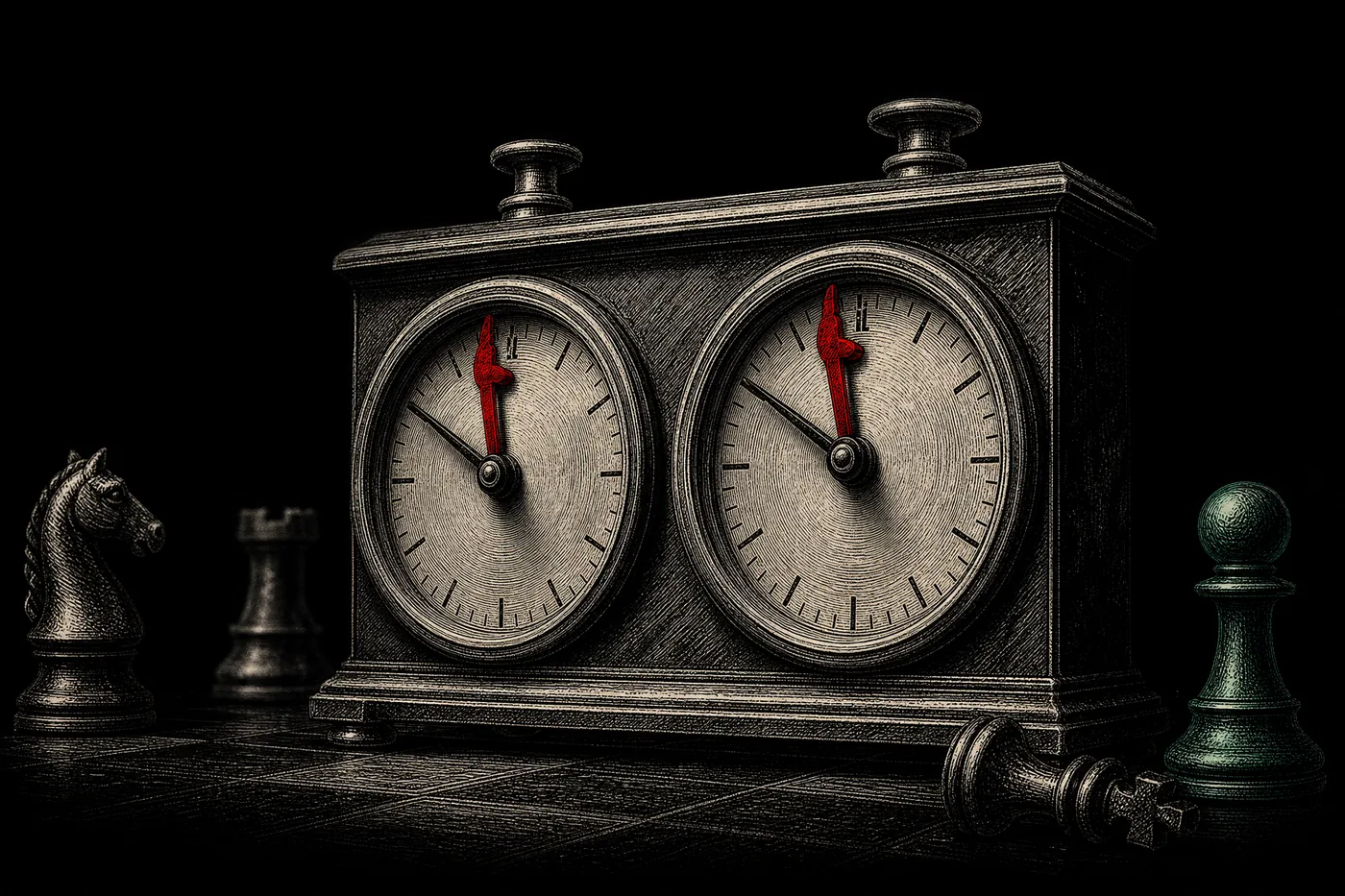
- A digital chess clock if you’re joining a club or event — see chess clocks.
- One good beginner book and a free account on a major site — see best books and best websites.
That’s genuinely it. Everything else — luxury woods, magnetic travel sets, electronic broadcast boards — is a nice-to-have you can add later, if and when your play calls for it.
Keep climbing
Gear gets you to the board; skill takes it from there. Once your set’s on the table, put it to work: start with the learn hub for the rules and fundamentals, sharpen up with tactics, and follow a structured improvement plan to actually climb.
Ready to buy? Begin with how to choose a chess set — the guide that answers most first-time questions.
Researched and fact-checked by the Chess Lab Academy Editorial Team (AI-assisted, human-edited) · Buying criteria checked against FIDE equipment standards and manufacturer/publisher sources · Last verified 2026-07-13 · How we verify content.
