
Atomic chess is standard chess with one gloriously chaotic twist: every time a piece is captured, it explodes, taking out almost everything in a 3x3 zone around it. It’s the variant where you can lose your queen, two knights, and a rook in a single move — sometimes your opponent’s move, sometimes your own. And here’s the kicker: you don’t win by checkmate. You win by blowing the enemy king right off the board.
If normal chess is a duel, atomic is a demolition derby. Let’s break down exactly how the bombs work.
Atomic in 10 seconds
- Players: 2
- The twist: Every capture triggers an explosion in the 3x3 square around it.
- How you win: Detonate the enemy king (this beats even checkmate).
- Where to play: Lichess (native variant); casually over the board.
How the explosion works (the rule that matters most)
When you capture a piece in atomic, an explosion goes off centered on the capture square — the square where the enemy piece stood and where your capturing piece lands. The blast removes:
- The captured piece (obviously — you took it).
- Your capturing piece (yes, it blows itself up too).
- Every non-pawn piece in the eight surrounding squares — friend or foe. As Lichess puts it, “the captured piece, the piece used to capture, and all surrounding pieces except pawns that are within a one square radius are removed from the board.”
That last bit is the whole game. Queens, rooks, bishops, knights, and kings caught next to a capture all vaporize regardless of color. So a single well-placed capture can wipe out a cluster of your opponent’s pieces — but if your own stuff is standing too close, it goes down with them.
Pawns are (mostly) blast-proof
Here’s the crucial exception: pawns survive the explosion. A pawn sitting next to a capture just shrugs it off. The only pawns that get removed are the ones directly involved — the pawn that captured, the pawn that got captured, or a pawn sitting on the capture square itself. Wikipedia confirms it: the blast hits “all orthogonally and diagonally adjacent non-pawn pieces.” Adjacent pawns stay put.
This makes pawns weirdly important. A wall of pawns around your king is a bomb shelter.
Kings can never capture
Because the capturing piece always explodes, a king can never make a capture — it would blow itself up, and that’s illegal. Same logic bans any capture that would detonate your own king. This has a bizarre side effect…
The “connected kings” trick
If the two kings are sitting right next to each other, check stops mattering between them. Why? Nobody can ever capture a king (the capture would explode the capturer), and no capture can go off adjacent to your own king. So a king can safely shelter next to the enemy king — an impossible, illegal huddle in normal chess. Players use this to force draws. As Wikipedia notes, “moving one king towards the other is thus a strategy to achieve a draw.”
Winning overrides everything
You can win by delivering a normal checkmate, but the real finish is the explosion. Any move that blows up the enemy king wins instantly — Lichess: it results “in an immediate victory, overriding all checks and checkmates.” Even if you are in check, if you can explode the enemy king first, you win. Blow theirs up without blowing up yours, and it’s game over.
How to win at atomic chess
Atomic openings are lightning-fast and totally unlike standard chess. A few habits that keep you alive:
- Guard the squares next to your king. You lose the instant any capture detonates adjacent to your king. Keep enemy pieces from ever capturing next door — a friendly pawn shield is your best defense.
- Never leave your king near the center early. Fast king hunts are everywhere. Getting the king tucked behind pawns is even more urgent than in regular chess.
- Think about what your captures blow up. Before you take, scan the whole 3x3 zone. You might gleefully snag a rook and accidentally nuke your own queen sitting beside it.
- Threaten the king from a distance. Because kings can’t capture, a knight or queen that can reach a square next to the enemy king (with something to capture there) is deadly.
- Watch for the “1-move nuke.” Sharp lines let one side explode the king as early as move 3 or 4. Learn the common traps so you’re not the victim — the classic being an early queen dash that sets up a capture right beside the enemy king.
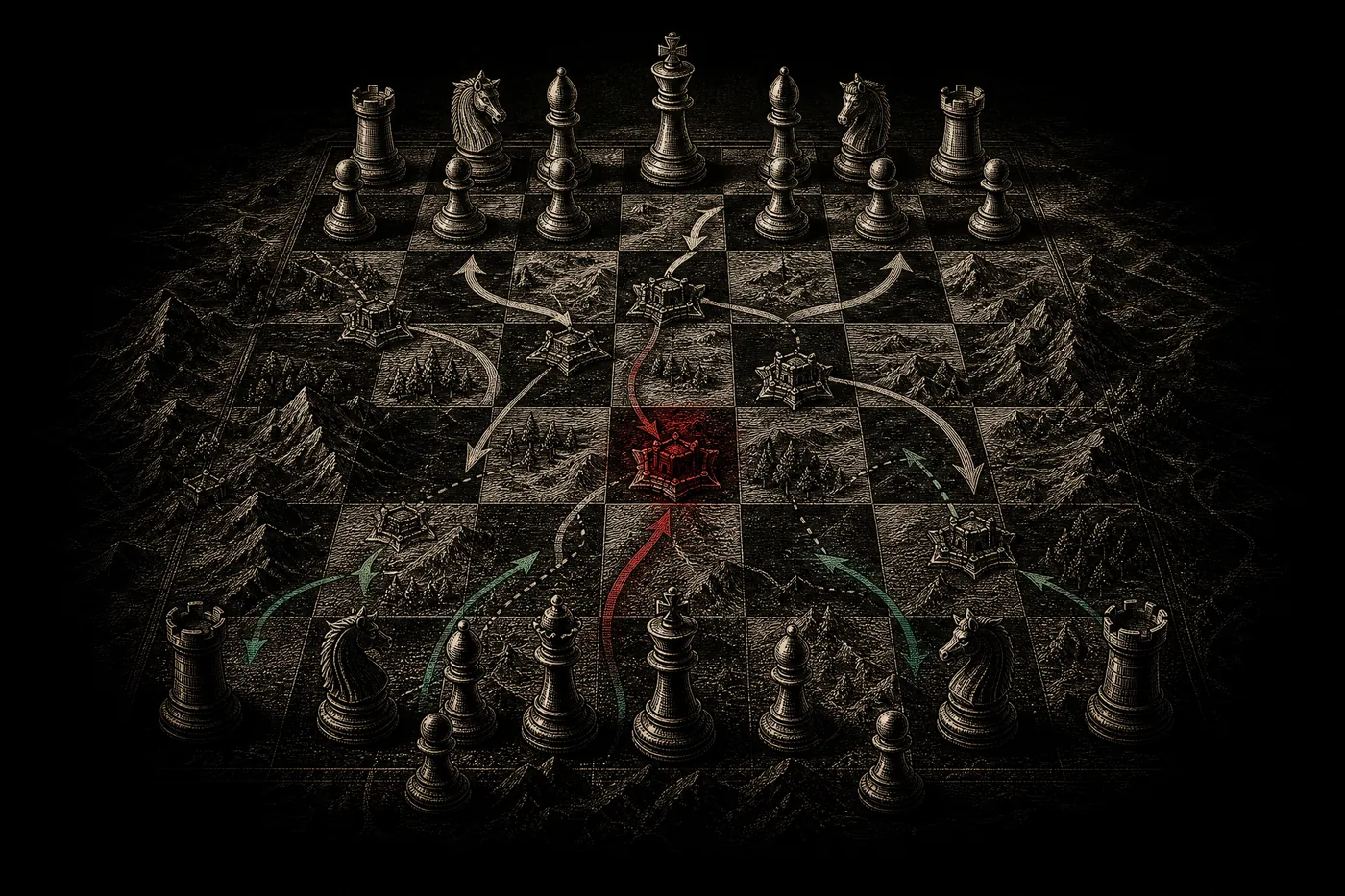
Where to play atomic chess
Lichess is the home of atomic — it’s a built-in variant you can play rated or casual, in any time control, against humans or the computer. It’s one of the most popular variants on the site. Chess.com doesn’t offer atomic in its variant lineup, so Lichess is your spot. You can also play it over the board with a friend if you both agree to referee the explosions carefully (it’s easy to miss a piece that should have blown up).
If you’re new to the underlying game, it’s worth having the standard rules of chess and what “check” means down first — atomic bends those rules, but it assumes you know them.
Atomic chess FAQ
Is atomic chess harder than normal chess? Different, not necessarily harder. Games are much shorter and sharper, so a single miscalculation ends things fast. But because kings die so easily, tactical alertness matters more than deep strategy. Beginners often enjoy it because games are quick and wild.
Can a beginner play atomic chess? Absolutely. If you know how the pieces move, you can play atomic in five minutes. Just remember the three golden rules: captures explode, pawns survive the blast, and kings can’t capture.
Why can’t the king capture in atomic? Because the capturing piece always explodes. If the king captured, it would blow itself up — and self-detonating your own king is illegal. So the king is a purely defensive piece here.
Do pawns explode? Only if they’re directly involved in the capture (the capturing pawn, the captured pawn, or a pawn on the capture square). A pawn merely standing next to an explosion is unharmed — which is why pawns make great royal bodyguards.
Try a wilder board
Atomic is one of chess’s most explosive spin-offs — but it’s far from the only rule-bender. If you like the chaos, wander over to Antichess, where you’re trying to lose, or the lopsided Horde chess, or the full variants hub for the whole zoo.
Written and fact-checked by the Chess Lab Academy Editorial Team (AI-assisted, human-edited) · Rules verified against the Lichess atomic variant rules and Wikipedia · Last verified 2026-07-13 · Sources · How we verify content.
