

A chess study plan for intermediate players shifts focus from not blundering to playing with a plan: sharpen your calculation, analyze your own games seriously, learn the pawn structures behind your openings, and study practical endgames. You’ve already got the basics — the plateau breaks when you start understanding why moves are good, not just spotting tactics. Depth of understanding, plus honest self-review, is what moves an intermediate player forward.
If you’ve stalled somewhere in the intermediate range and tactics drills alone aren’t helping anymore, that’s normal — and it’s a clue. You’ve squeezed most of the easy gains out of “stop hanging pieces.” The next level is about understanding. Let’s build a plan for it.
The intermediate plan
- Calculation — go deeper and more accurately; train candidate moves and forcing lines.
- Game analysis — review your own games hard, before turning on an engine.
- Pawn structures & plans — learn the middlegame ideas behind your openings.
- Practical endgames — rook endings, key squares, conversions you’ll actually face.
- Openings — now worth a modest amount of real study, tied to plans.
How is intermediate study different from beginner study?
Beginners win and lose on raw blunders and one-move tactics. Intermediates mostly don’t hang pieces anymore — so the games turn on understanding: who has the better plan, the better structure, the better-placed pieces. Your study has to follow that shift.
Concretely, that means:
- Less “spot the tactic,” more “what’s the plan?” You still drill tactics, but now you also study why a position favors one side.
- Real game analysis, not just puzzle-solving. Your own games become your main textbook.
- Pawn structures enter the picture. The pawns dictate the plans — open files, weak squares, where to attack.
- Openings finally matter a little. Not memorization for its own sake, but understanding the ideas and typical structures.
Both sides have done everything “right” — developed, castled, no blunders. So now what? This is the intermediate question: with no obvious tactic, what’s the plan? That’s the skill you’re building.
How do you break a chess plateau?
Plateaus almost always come from doing more of what already works instead of attacking what’s actually holding you back. The fix is targeted:
- Analyze your losses for patterns. Don’t just fix one game — find the recurring mistake. Always getting crushed in sharp positions? Mishandling endgames? That pattern is your study assignment.
- Train deeper calculation. Intermediate tactics are longer and quieter. Push your calculation for accuracy at greater depth, not just speed.
- Learn the plans, not just the moves. Study annotated master games in your openings to absorb why moves are played.
- Plug your endgame leaks. Many intermediate points are lost converting winning endings. Fix the specific ones you keep botching.
- Play stronger opponents. You learn more from a tough loss you review than an easy win you don’t.
Why does pawn structure matter now?
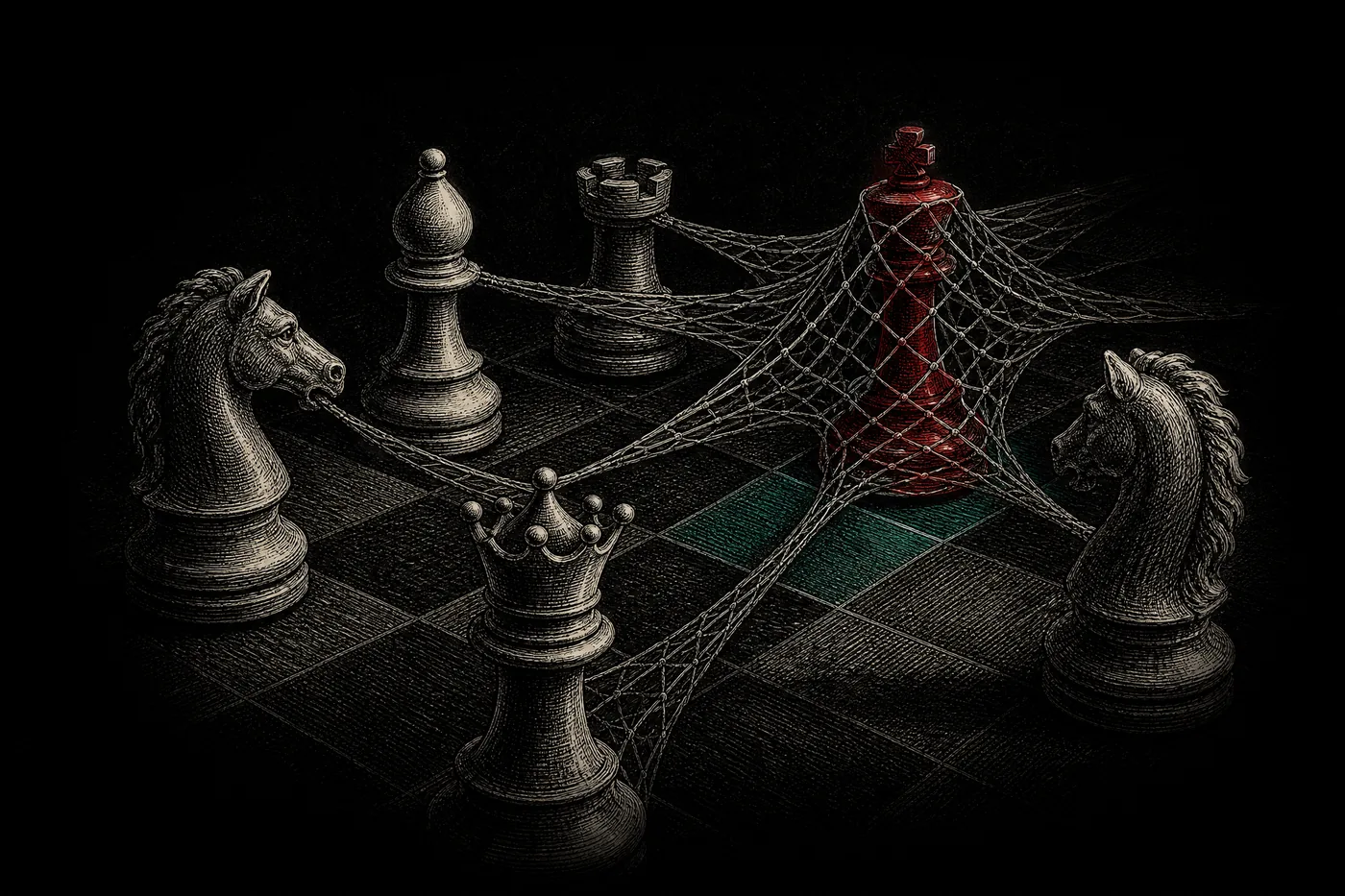
Because the pawns are the skeleton of the position — they decide where the pieces belong and what each side should be doing. An isolated pawn, a pawn majority, a closed center: each comes with a built-in plan. Learn the structure and the plan often writes itself.
For example, in an open position with clear files, rooks and quick piece play rule; in a closed one, maneuvering and pawn breaks matter more (worth understanding open vs closed positions). Once you start seeing positions through their pawn structure, the “what do I do here?” paralysis fades — the structure tells you.
How much should an intermediate player study endgames?
More than you currently do — almost certainly. Intermediates routinely reach winning or drawn endgames and then throw the result away because they never learned the technique. A modest, practical endgame habit pays off fast.
Focus on what you’ll actually face: rook endgames (by far the most common), king-and-pawn fundamentals, and converting an extra pawn or piece. You don’t need exotic theoretical positions yet — you need the bread-and-butter conversions that decide real games. (Here’s why endgames matter more than most intermediates think.) Even 10% of your study time here will rescue points you’re currently leaving on the board.
The myth of the secret opening
Tempting belief at the intermediate level: “If I just learn the right opening, I’ll break through.” Almost never true. At your level, games are rarely lost in the opening — they’re lost in the middlegame plan or the endgame conversion. The strongest improving players don’t have secret openings; they understand the positions their openings lead to. By all means tidy up your repertoire, but if you’re spending more time memorizing move 14 of a sideline than analyzing your own losses, you’ve got it backwards. Understanding beats memorization at every level — and the intermediate level is where that lesson finally bites.
Common intermediate study mistakes
- Grinding tactics and nothing else. Tactics still matter, but if they’re all you do, you’ll plateau. Add analysis, structure, and endgames.
- Reaching for the engine too soon. Analyze your game yourself first. The engine tells you what; thinking it through tells you why — and the why is what sticks.
- Over-investing in openings. Memorizing deep theory while ignoring middlegame plans is the classic intermediate time-sink.
- Ignoring endgames. You’re winning positions and not converting them. That’s free rating points sitting on the floor.
- Avoiding stronger opponents. Farming easy wins feels nice and teaches nothing. Seek out games that stretch you — then review them.
Key takeaways
- Intermediate focus shifts from not blundering to playing with a plan.
- Break plateaus by analyzing losses for patterns and attacking your real weakness.
- Learn pawn structures — they dictate the middlegame plan.
- Study practical endgames (rook endings, conversions); they win real points.
- Treat openings as understanding, not memorization — the secret opening doesn’t exist.
FAQ
How do intermediate players improve at chess? By shifting from pure tactics drilling to understanding plans. Sharpen calculation, analyze your own games for recurring mistakes, learn the pawn structures behind your openings, and study practical endgames. Understanding why moves are good is the key.
How do I break out of a chess plateau? Stop doing more of what already works and target your actual weakness. Analyze your losses for a recurring pattern, then study that specific area — usually calculation depth, middlegame plans, or endgame conversion.
What should intermediate players study? Calculation, your own game analysis, pawn structures and middlegame plans, and practical endgames. Openings deserve modest study now too — but as understanding of typical positions, not deep memorization.
Should intermediate players study openings? Yes, modestly. Learn the ideas and structures your openings produce rather than memorizing long lines. Games at this level are decided in the middlegame and endgame far more often than in the opening.
Why am I stuck at the same rating? Usually because you’re repeating your strongest study activity and ignoring your weakest area. Plateaus break when you analyze your losses, find the recurring mistake, and study that specifically.
How much should intermediates study endgames? Around 10% of study time, focused on practical positions — rook endgames, king-and-pawn play, and converting an extra pawn or piece. Many intermediate points are lost in poorly handled endgames you could easily learn.
Do I need a coach as an intermediate player? Not necessarily, but honest self-analysis is non-negotiable. A coach speeds things up by spotting your patterns, but you can break most plateaus yourself by reviewing your games seriously before reaching for an engine.
Keep climbing
The thread running through every intermediate gain is calculation — seeing longer, quieter lines accurately. If you only deepen one skill this month, make it that one.
Next up: How to calculate in chess · Also handy: a chess study plan that works, why endgames matter, and the improvement hub.
Written and fact-checked by the Chess Lab Academy Editorial Team (AI-assisted, human-edited) · Positions checked with Stockfish 17, rules per the FIDE Laws of Chess · Last verified 2026-06-25 · Sources · How we verify content.
