
You should study endgames because that’s where most games are actually won — the player who can cleanly convert a winning position takes the point, even after a sloppy opening. Endgames have fewer pieces and clearer patterns, so a little study pays off fast. They’re the highest-return thing a beginner can learn. Skip them and you’ll keep drawing (or losing) games you’d already won.
Let’s make the case properly — and then point you at exactly what to learn first.
The short version
- Endgames decide most games — they’re the finish line.
- They’re built on repeatable patterns, so studying them pays off quickly.
- One extra pawn or piece only wins if you know the technique to convert it.
- Best first study: basic checkmates + the opposition.
Should beginners study endgames or openings?
Most beginners pour all their time into openings — memorizing the first ten moves of some fancy line. It feels productive. But here’s the catch: at the beginner level, nobody punishes a slightly imperfect opening. Your opponent doesn’t know the refutation either. You’ll reach a playable middlegame no matter what.
What actually loses games is not knowing how to finish. You grind out a winning position, reach an ending up a rook… and then can’t deliver mate. The win evaporates. That happens constantly, and it’s pure, avoidable points left on the table.
So the honest answer: study endgames first, openings later. A handful of endgame patterns will win you more games this month than a memorized opening line will win you all year.
How do endgames actually win games?
Two ways, and they’re brutal in their simplicity.
First: converting a material edge. You’re up a pawn or a piece. In the middlegame that edge is fuzzy — lots can happen. In the endgame, with the board cleared, that extra material is decisive if you know the method. Up a queen? You need to know the king and queen mate. Up a single pawn in a king-and-pawn ending? You need the opposition.
Second: not throwing it away. The flip side. A “winning” position you don’t understand is a coin flip. The most painful losses in chess aren’t blunders in complex positions — they’re simple won endings botched into draws or stalemates.
Why is being up material sometimes NOT enough?
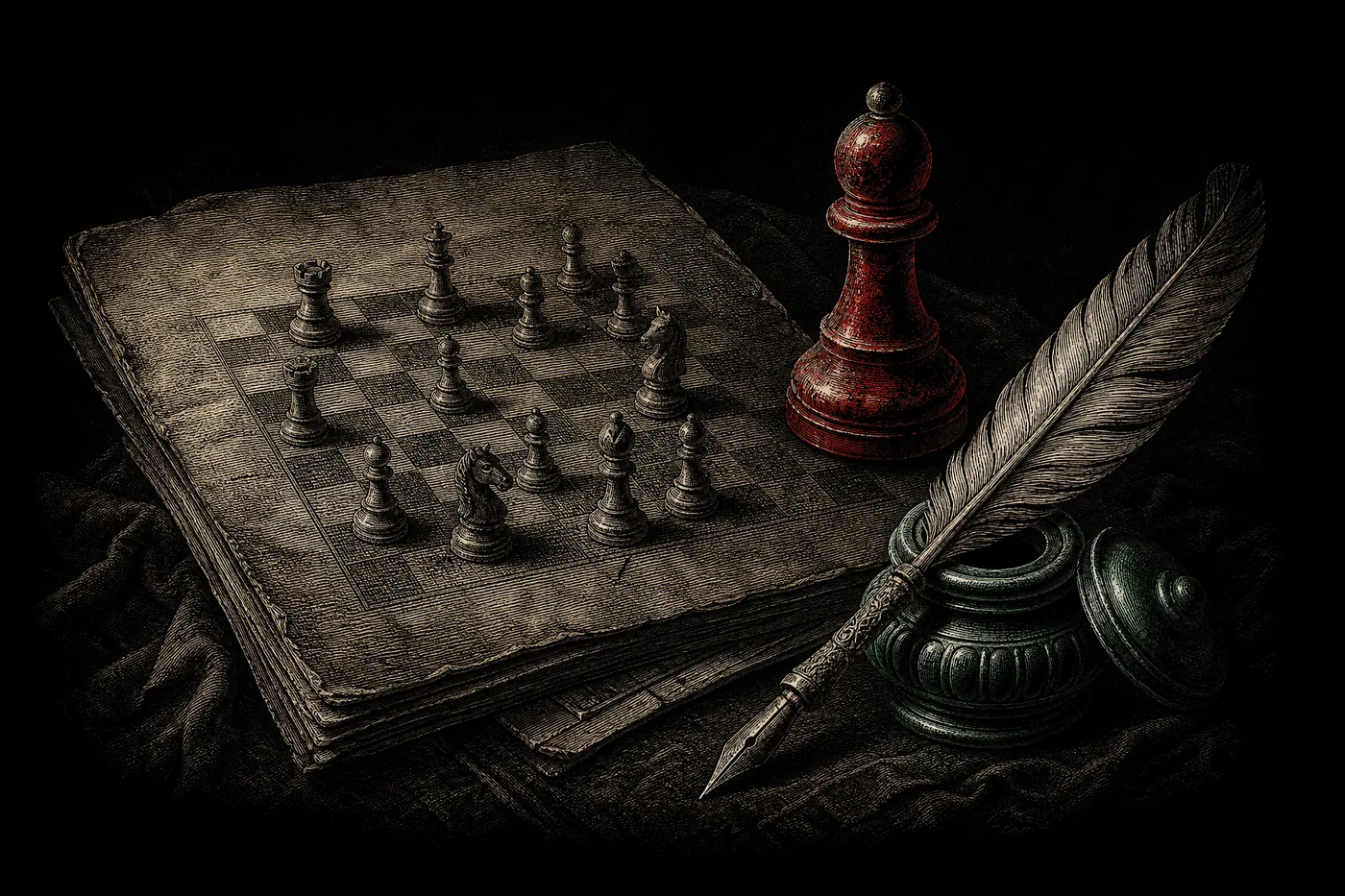
This is the lesson that converts skeptics. Take a look at the position below: Black has an extra pawn — they’re “winning” by the usual count. But it’s White to move, and by playing Ke2 to take the opposition (then mirroring the Black king), White holds a stone-cold draw. Black cannot make progress no matter what.
That single example does more for a beginner than a dozen opening videos. It shows that the value of a position depends on technique, not just the piece count. The player who knows the patterns sees the truth on the board; the player who doesn’t just hopes.
Why are endgames easier to study than they look?
Here’s the encouraging part. The middlegame is chaos — dozens of pieces, millions of possibilities, no clean rules. Endgames are the opposite: fewer pieces means fewer options, which means the right play follows clear, repeatable patterns you can actually memorize and trust.
Learn one king-and-pawn pattern and it shows up game after game, almost unchanged. Learn the king-and-rook mate once and you’ll deliver it for the rest of your chess life. That’s a fantastic return on study time — unlike opening lines, which keep branching forever and change the moment your opponent plays something “wrong.” Endgame knowledge is permanent. You bank it once and spend it forever.
There’s also a confidence payoff. When you know an ending is winning, you play the middlegame more boldly — you’ll happily trade into that simple won position instead of fearing it. Knowing the finish line changes how you run the whole race.
What endgames should you study first?
Keep it simple and go in this order:
- Basic checkmates — king+queen, king+rook. These come up in real games constantly. Non-negotiable.
- The opposition — the master key to king-and-pawn endings.
- King and pawn endgames — turning a pawn majority into a new queen.
That’s the 80/20. Get those three solid and the fancier mates (two bishops, bishop+knight) can wait until you’re curious.
A fun bit of history
The legendary world champion José Raúl Capablanca — nicknamed the “chess machine” for his almost boringly flawless technique — taught chess backwards. He insisted beginners learn the endgame first, before they ever touched openings. His reasoning: you can’t truly understand what a piece is worth until you’ve watched it operate on a near-empty board. A century later, ask almost any coach what beginners neglect most, and they’ll say the same thing: the endgame. Capablanca was right.
Common mistakes to dodge
- Treating “I’m up material” as a guaranteed win. It’s a guaranteed win only if you know the technique. Otherwise it’s a hope.
- Trading pieces blindly when ahead. Simplifying is usually good when you’re up material — but only into an ending you actually know how to win.
- Rushing and stalemating. The single most common way beginners blow a won endgame. Always leave the enemy king a legal move until it’s truly mate. (See what is stalemate.)
- Letting your king sit passive. In the endgame the king is a fighter. Idle king = wasted piece.
Key takeaways
- Study endgames because they decide most games and reward study faster than openings.
- Being up material only wins if you know the conversion technique.
- A pawn up can still be a draw without the right idea (the opposition).
- Start with basic checkmates and the opposition — the highest-return study for beginners.
Keep climbing
Convinced? Good. The fastest payoff is learning the mates that show up in real games week after week.
Next up: Basic checkmates you must know · Then master the opposition and head to king and pawn endgames. New here? Back to the endgame hub.
Written and fact-checked by the Chess Lab Academy Editorial Team (AI-assisted, human-edited) · Positions verified with Stockfish 17 and rules checked against the FIDE Laws of Chess · Last verified 2026-06-25 · Sources · How we verify content.
