A mate in three puzzle is a three-move knockout: you move, they defend, you move, they defend, you finish. Every move you make is forcing, so the opponent is dragged along a narrow path straight into checkmate. This is where puzzle training turns into real calculation — and where a lot of games are actually won. Warm up your brain and dive into the trainer.
Your move — solve the position
Real positions from real games. Solve one, and the next appears.
Take that instinct to a live board — 3D chess with character skins & rewards.
What “mate in three” means
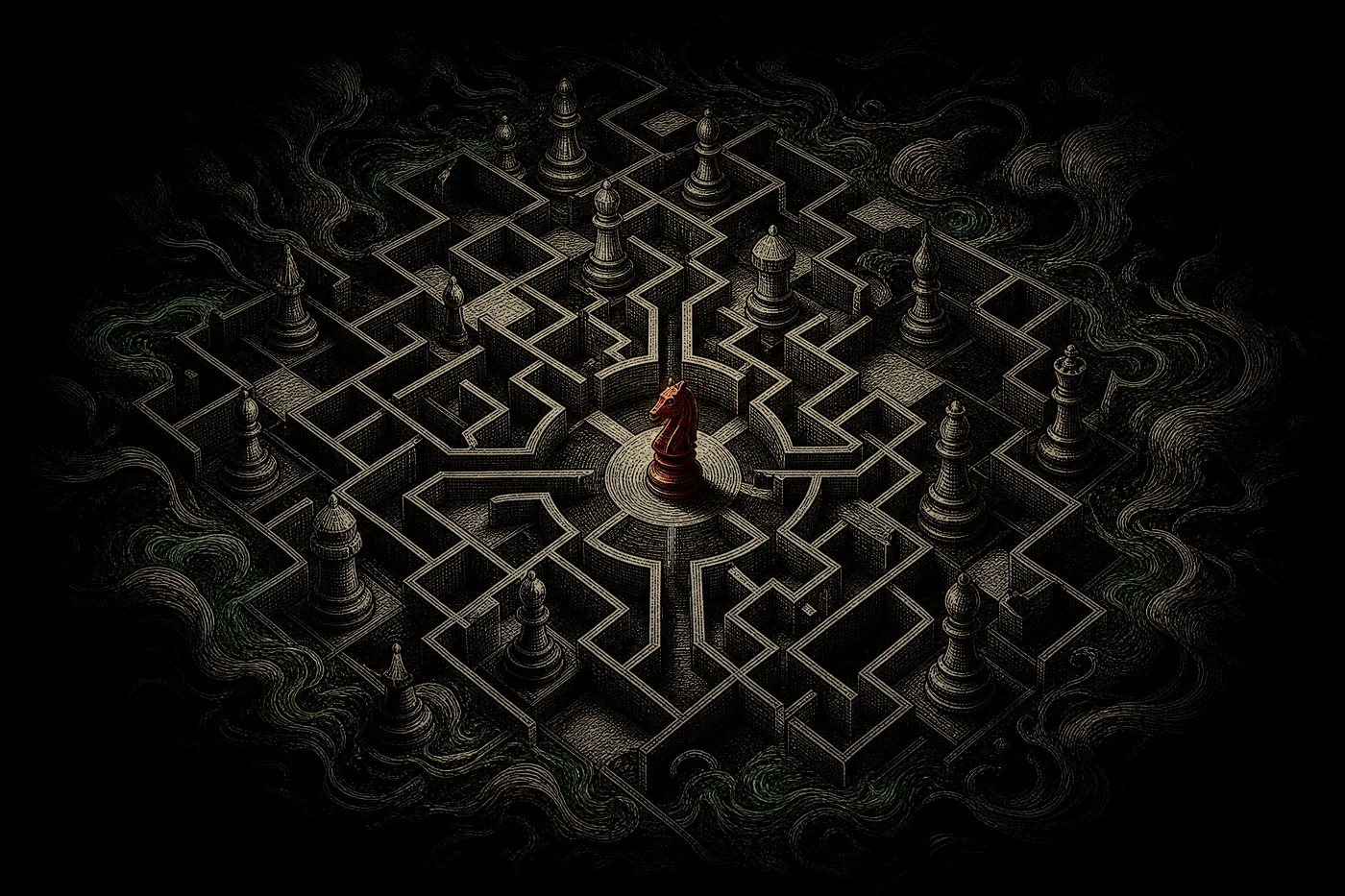
Three moves for you, two forced replies for your opponent, ending in checkmate no matter what they do. The magic word is still forcing: because your first two moves are checks (or threats of instant mate), your opponent barely gets a choice — they’re reacting, not planning. That’s what makes a three-move mate calculable instead of overwhelming. You’re not exploring a giant tree; you’re following a corridor.
Three-movers are the first puzzles that genuinely stretch your visualization, which is exactly why they’re such good training. If holding the position in your head is the hard part, our guide to calculation is the perfect companion.
A method for solving mate in three
- Find every check and hard threat first. Forcing moves shrink the tree. In a clean mate-in-three, the whole line is usually checks — so start there and you’re already on the trail.
- Work backward from the mating net. Picture the final checkmate shape: which square does the king die on, and which of your pieces delivers the blow? Then reason back — move three needs the king here, so move two must push it there, so move one must start the herding. Solving from the finish is faster than guessing forward.
- Follow the most forcing branch and answer every reply. Play your check in your head, look at all legal defenses, and make sure each one still leads to mate. If a defense escapes, that line is wrong — back up.
- Consider a sacrifice. Three-move mates often open with giving something up — even the queen — to rip open the king or drag a defender off a key square. Don’t dismiss a move just because it loses material; if it forces mate, material doesn’t matter. (That instinct is the whole idea behind sacrifice puzzles.)
Lock in a line only when it mates against every single reply. “It works if they play this” is not a solution.
Common mistakes to dodge
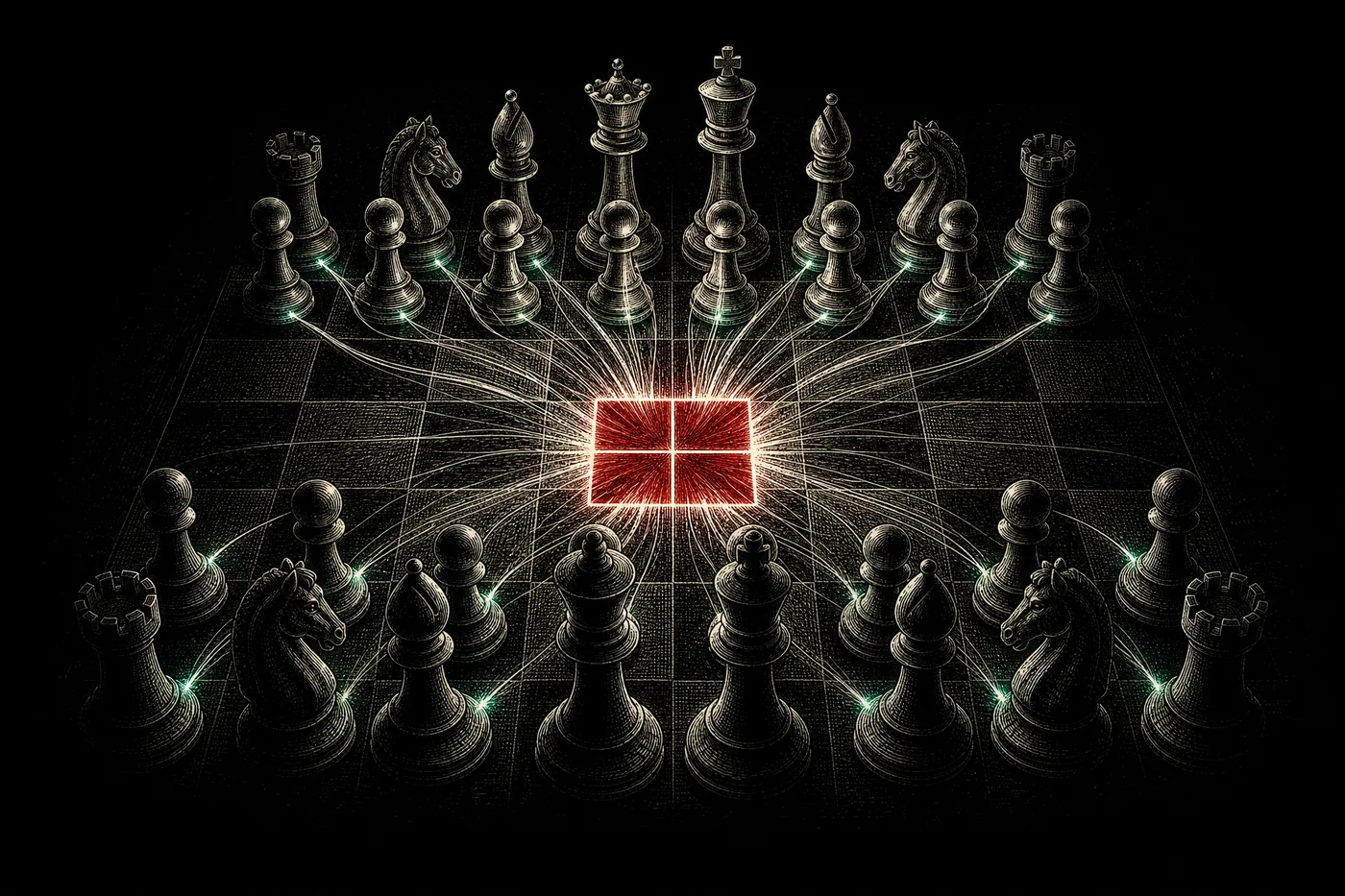
- Calculating one branch and calling it done. Every defense has to lose. Miss one reply and your “mate in three” evaporates. Check them all.
- Losing the position in your head. Three moves deep, it’s easy to forget a piece moved. Reset and rebuild the position slowly rather than guessing.
- Refusing to sacrifice. The winning first move is often a check that hangs a piece. If it forces mate, take the plunge — the game ends before the material matters.
- Starting with a quiet move. Give the defender a free tempo and the net leaks. Keep every move forcing so the opponent never gets to breathe.
Keep climbing
Three-move mates are where calculation gets real. Push it further, or drop back a rung to rebuild speed.
Next up: mate in four puzzles · Sharpen up with mate in two · Learn the finishing shapes: checkmate patterns · Train the giving-up-material instinct: sacrifice puzzles · Back to the hub: all chess puzzles.
Frequently asked questions
How do you calculate a mate in three without getting lost? Stick to forcing moves and work backward from the checkmate. Because your moves are checks, the opponent’s replies are few, so the position barely changes each move. Picture the final mating shape and reason back to move one.
Should I sacrifice material in a mate in three? Often, yes. Many three-move mates begin by giving up a piece — even the queen — to expose the king or remove a defender. If the sacrifice forces checkmate, the lost material never gets paid back to your opponent.
Are mate in three puzzles worth it if I’m still improving? Absolutely. They’re the best low-risk way to build calculation and visualization. Take your time, solve fully in your head before moving, and your over-the-board vision improves with it.
Where do the positions come from? All puzzles are real, engine-verified positions from the Lichess open database (CC0) — genuine forced mates, not invented setups.
Written and fact-checked by the Chess Lab Academy Editorial Team (AI-assisted, human-edited) · Puzzles from the Lichess open database (CC0), engine-verified · Last verified 2026-07-13 · Sources · How we verify content.