Ask a coach where a beginner should learn “positional chess” and “endgames,” and one name comes up again and again: Capablanca. There’s a reason. His style is unusually clean — his moves look obvious even when they’re deep, which makes him one of the best players in history to learn from. So what actually made the “chess machine” so hard to beat? Let’s break it down.
The short version: Capablanca combined effortless positional clarity, fast and accurate decision-making, and endgame technique that turned tiny advantages into wins. He excelled in simple positions — and could switch on sharp tactics when the moment demanded.
Simplicity as a superpower
Some legends win by dragging opponents into a jungle of complications. Capablanca usually did the opposite — he simplified. He looked for the clearest path, traded into positions he understood perfectly, and let small structural advantages do the work. Where other players saw a messy middlegame, Capablanca saw a straight line to a won endgame.
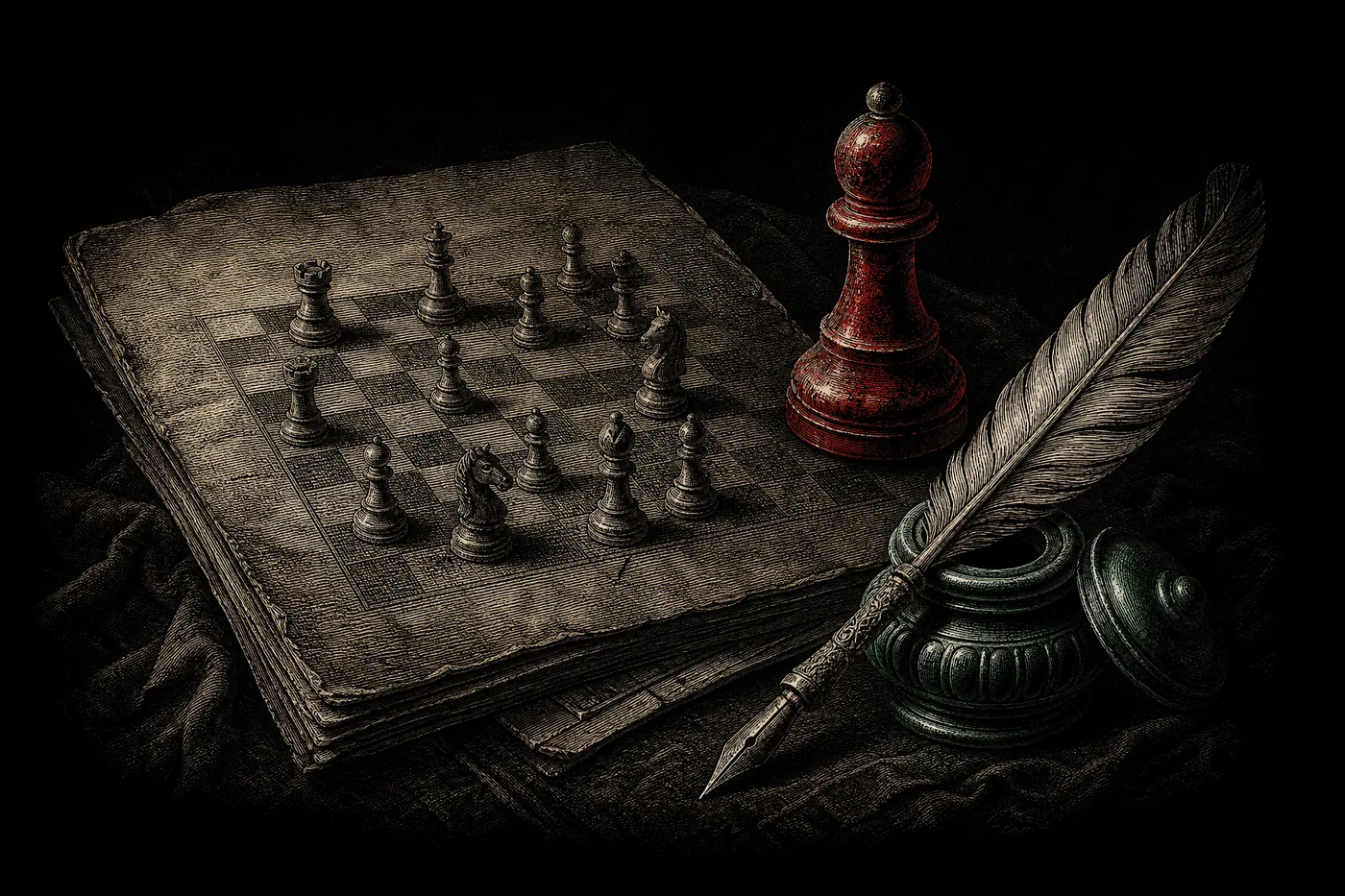
That clarity is exactly why his games are so instructive. When Capablanca wins, you can usually see why: a better bishop, a healthier pawn structure, a more active rook or king. There’s rarely a mysterious move that only an engine would understand. His chess feels human and logical, and that’s a big part of his lasting appeal. The board below is a slow, closed Ruy Lopez — precisely the kind of quiet position where his understanding gave him an edge move after move.
Endgame technique that set the standard
If there’s one phase of the game where Capablanca stands at the very top, it’s the endgame. His technique became the foundation for countless instruction books and remains a standard reference in chess education today. He converted the faintest of advantages — an extra tempo, a slightly better pawn, a more active king — with a precision that made winning look routine.
This is the part of his game most worth copying. You don’t have to be a tactical genius to benefit from Capablanca’s example; you just have to learn to nurse small edges carefully and not let them slip. His best games include textbook rook endings that are still handed to students a hundred years later.
Blazing speed
Here’s a trait that surprises people: Capablanca was fast. He often found the strongest move almost instantly, playing at a pace that let opponents drown in their own clocks while he sat calm and confident. That speed wasn’t recklessness — it came from an intuition for good positions so refined that he simply saw the right idea where others had to calculate.
For club players there’s a genuine lesson here: a lot of good chess is pattern recognition, not brute-force calculation. Capablanca had absorbed so many clean patterns that the right plan came naturally.
Sharp when it counted
None of this means Capablanca was dull. He was perfectly capable of tactical chess when the position called for it — he just didn’t go hunting for complications he didn’t need. His combinations tended to serve the position: a well-timed shot to simplify into a winning endgame, or a precise sequence to punish an opponent’s overreach. Tactics were a tool, not the goal.
That balance is why he’s sometimes described as a complete player. He didn’t have an obvious weakness to target; whatever kind of game you tried to make, he was comfortable, and in the quiet and technical positions he was simply better than almost anyone.
The “chess machine” — a compliment about precision
The nickname stuck for a reason. Watching Capablanca convert an edge could feel like watching a machine at work: no wasted moves, no drama, no mistakes — just steady, inevitable progress toward the win. It’s worth stressing that the label was a compliment about accuracy, not a knock on creativity. His genius was in making genuinely hard positions look easy.
What you can steal from Capablanca’s style
- Simplify when you’re better. Trading into a clear, favorable endgame is often stronger than keeping the tension.
- Treat the endgame as a real skill. Small advantages win games if you convert them cleanly — study his rook endings.
- Improve your worst piece. So much of his technique is just putting every piece on its best square.
- Trust patterns, play with confidence. You don’t have to calculate everything; good habits and clear plans go a long way.
FAQ
How would you describe Capablanca’s playing style in one line? Clear, fast, and technical — effortless positional play and unmatched endgame skill, with sharp tactics kept in reserve for when they were needed.
Was Capablanca an attacking or positional player? Mostly positional — he’s the classic model of clarity and endgame technique — but he was a complete player who could attack sharply when the position asked for it.
Why do coaches recommend studying Capablanca? Because his moves are so logical and clear that improving players can actually understand why they work, without needing an engine to explain them — especially in the endgame.
What was Capablanca’s biggest strength? His endgame technique and positional clarity. He turned tiny edges into wins so smoothly that he was nicknamed the “chess machine.”
Keep exploring
Back to Capablanca’s profile · his best games · his openings · his career & strength · fun facts · or browse all chess players.
Written and fact-checked by the Chess Lab Academy Editorial Team · Facts verified against Wikipedia, Chess.com, and the World Chess Hall of Fame, as of July 2026 · Last verified 2026-07-10 · How we verify content.