
Capablanca left behind a highlight reel that’s a little different from most attacking legends. His best games aren’t fireworks for their own sake — they’re studies in clarity, where a small edge becomes a winning position through nothing but clean, logical play. That’s exactly why they’ve been teaching tools for a century. Here are the ones that matter most, and why.
A quick note on how we present these: we describe each game in prose from verified sources rather than reprinting a full move list, so you’re never getting a garbled transcript. Where you’d like to play through the moves yourself, we point you to reliable databases. Every result and detail below is documented in the sources at the foot of this page.
Capablanca vs. Marshall, 1918 — refuting the Marshall Attack over the board
This is one of the most famous “prepared surprise” stories in chess. In a game at the Manhattan Chess Club in New York in 1918, Capablanca had White in a Ruy Lopez against Frank Marshall — and Marshall unleashed a sharp, deeply-analyzed pawn sacrifice he’d reportedly been saving specifically for this moment. That counterattack is the reason we now call it the Marshall Attack, still a respected weapon today.
Here’s what makes the game legendary: Capablanca had never seen the idea before, yet he defended it accurately at the board, under a normal time limit, hanging onto the extra material and eventually converting the full point. Facing a home-cooked novelty from a world-class attacker and calmly finding the right moves anyway is about as convincing a demonstration of raw chess strength as you’ll find. The board below shows the kind of Ruy Lopez position the game grew out of.
Capablanca vs. Tartakower, New York 1924 — the model rook endgame
If the Marshall game shows Capablanca’s nerve, his win over Savielly Tartakower at New York 1924 shows his technique. It’s one of the most-taught rook endgames in all of chess, precisely because it’s so easy to follow: Capablanca improves his rook, marches his king into the action, and lets a passed pawn do the deciding work.
The lesson coaches draw from it is timeless — activity beats material in many endgames. Rather than clutch every pawn, Capablanca prioritized getting his pieces to their best squares, accepting some material loss in exchange for an unstoppable attack and a runner of his own. Generations of players have learned “how to win a rook ending” from this single game.
Capablanca vs. Lasker, 1921 — winning the crown without a loss
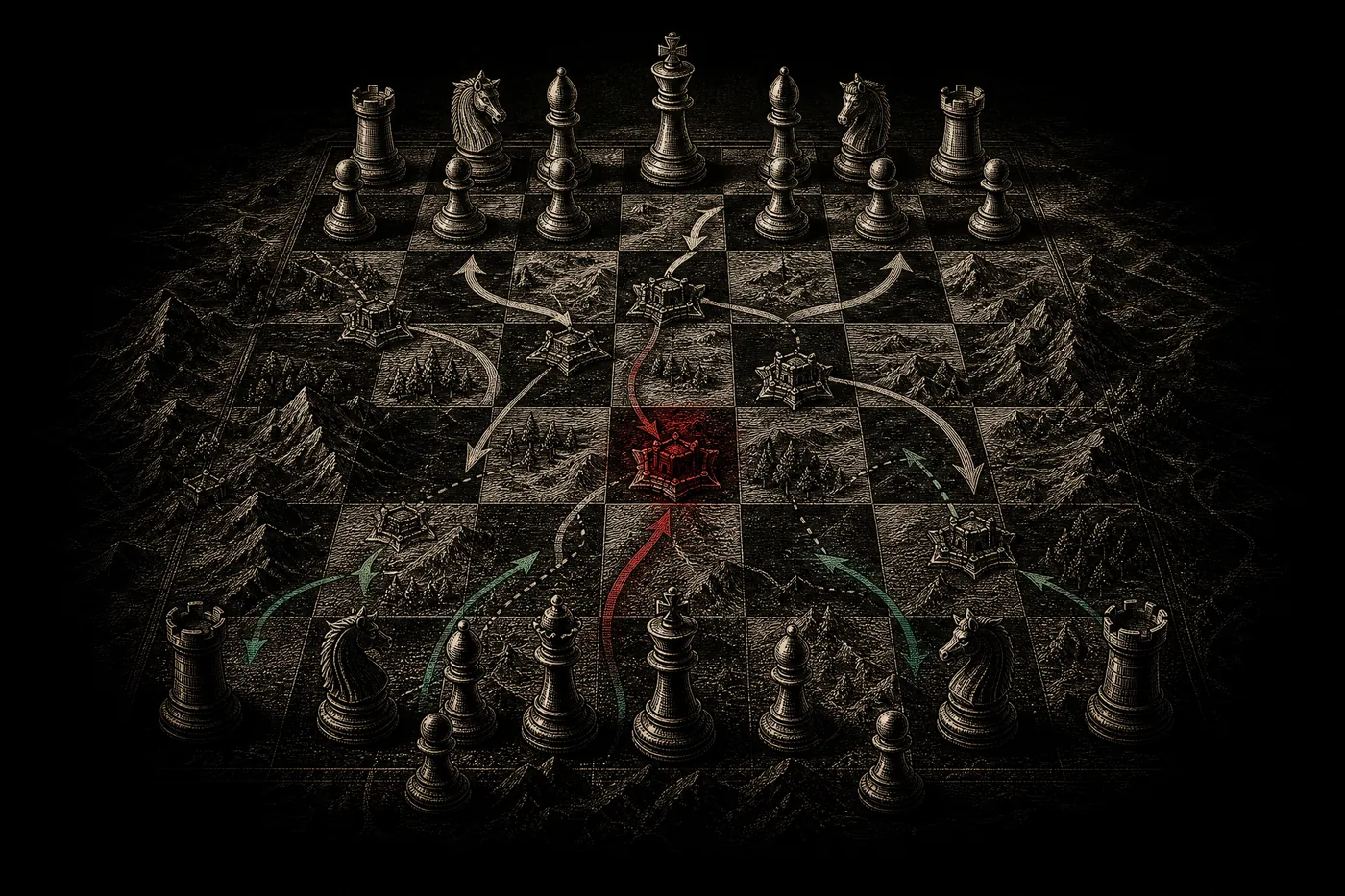
Some of Capablanca’s greatest work is a whole match, not one game. In 1921, in his native Havana, he finally played the World Championship match he’d been chasing for years, against the long-reigning Emanuel Lasker. The result was emphatic: Capablanca won four games, drew ten, and lost none, and Lasker resigned the match trailing badly.
Beating a champion of Lasker’s stature is remarkable; doing it without conceding a single game is the kind of result that defines a career. The individual games are models of patient pressure — Capablanca outplaying one of history’s toughest defenders in exactly the quiet, technical positions where he was strongest.
Réti vs. Capablanca, New York 1924 — the loss that ended the streak
Not every famous Capablanca game is a win, and this one earns its place because it’s a loss. At New York 1924, the hypermodern innovator Richard Réti opened with the then-unusual 1.Nf3 and beat Capablanca — the reigning World Champion’s first serious defeat in about eight years, since a loss to Oscar Chajes back in January 1916.
The game became a landmark for the whole hypermodern movement, evidence that controlling the center with pieces from a distance could topple even the “chess machine.” It’s a reminder that Capablanca’s near-invincibility, remarkable as it was, was still human — and it makes the length of his unbeaten run all the more impressive by contrast.
Why these games still matter
Capablanca’s best games are teaching tools because they’re understandable. There’s rarely a mysterious engine move you have to take on faith. Instead you see clear ideas — activate the rook, improve the worst piece, push the passed pawn, keep the position simple — executed with a precision that turns tiny edges into full points. That’s why “study Capablanca’s endgames” has been standard advice for improving players for a hundred years, and why his playing style is still one of the best models to copy.
FAQ
What is Capablanca’s most famous game? Two stand out: his 1918 win over Frank Marshall, where he refuted the debut of the Marshall Attack at the board, and his instructive rook endgame against Tartakower at New York 1924.
Did Capablanca really beat Lasker without losing a game? Yes. In the 1921 World Championship match in Havana he scored four wins, ten draws, and no losses, and Lasker resigned the match.
Who ended Capablanca’s long unbeaten streak? Richard Réti, at New York 1924, with the hypermodern 1.Nf3 — Capablanca’s first serious loss in roughly eight years.
Where can I play through Capablanca’s games move by move? Reliable, well-annotated versions live in the major online databases and on Chess.com and Wikipedia’s game pages, which we’ve cited below.
Keep exploring
Back to Capablanca’s profile · his playing style · his openings · his career & strength · fun facts · or browse all chess players.
Written and fact-checked by the Chess Lab Academy Editorial Team · Facts verified against Wikipedia, Chess.com, the World Chess Hall of Fame, the 1921 World Championship record, and chessgames.com, as of July 2026 · Last verified 2026-07-10 · How we verify content.
