
Few players have a facts sheet as quietly jaw-dropping as Capablanca’s. He didn’t invent chess clocks or shuffle the pieces — his legend is built on sheer, unbeatable class. Records that still impress, a nickname that stuck for a century, and even an opening named after him — all below, and all verified against the sources at the foot of the page.
Fast facts
- Born: 19 November 1888, Havana, Cuba · Died: 8 March 1942, New York City, USA (aged 53)
- Title: 3rd World Chess Champion (1921–1927) — the formal FIDE title system postdates his era
- Nickname: the “chess machine”, for his flawless, effortless precision
- Legendary streak: about eight years without losing a serious game (1916–1924)
- Beat Lasker for the title without losing a single game (1921)
Records and feats that still turn heads
- Roughly eight years unbeaten. From a loss in January 1916 to his defeat by Richard Réti at New York 1924, Capablanca did not lose a single serious game — one of the longest unbeaten runs in top-level chess history.
- Won the world title without a loss. In his 1921 match against Emanuel Lasker in Havana, he scored four wins, ten draws, and no losses; Lasker resigned the match.
- Barely lost, ever. Across his entire adult career he lost only about three dozen serious games — an astonishingly low total for a player at the very top for decades.
- Won elite events on debut. He captured the strong San Sebastián 1911 tournament the first time he played in it, ahead of masters like Rubinstein, Nimzowitsch, and Tarrasch.
- Dominated New York 1927. He won this super-strong tournament undefeated and well clear of the field — which is why his title-match loss later that year was such a shock.
The “chess machine”
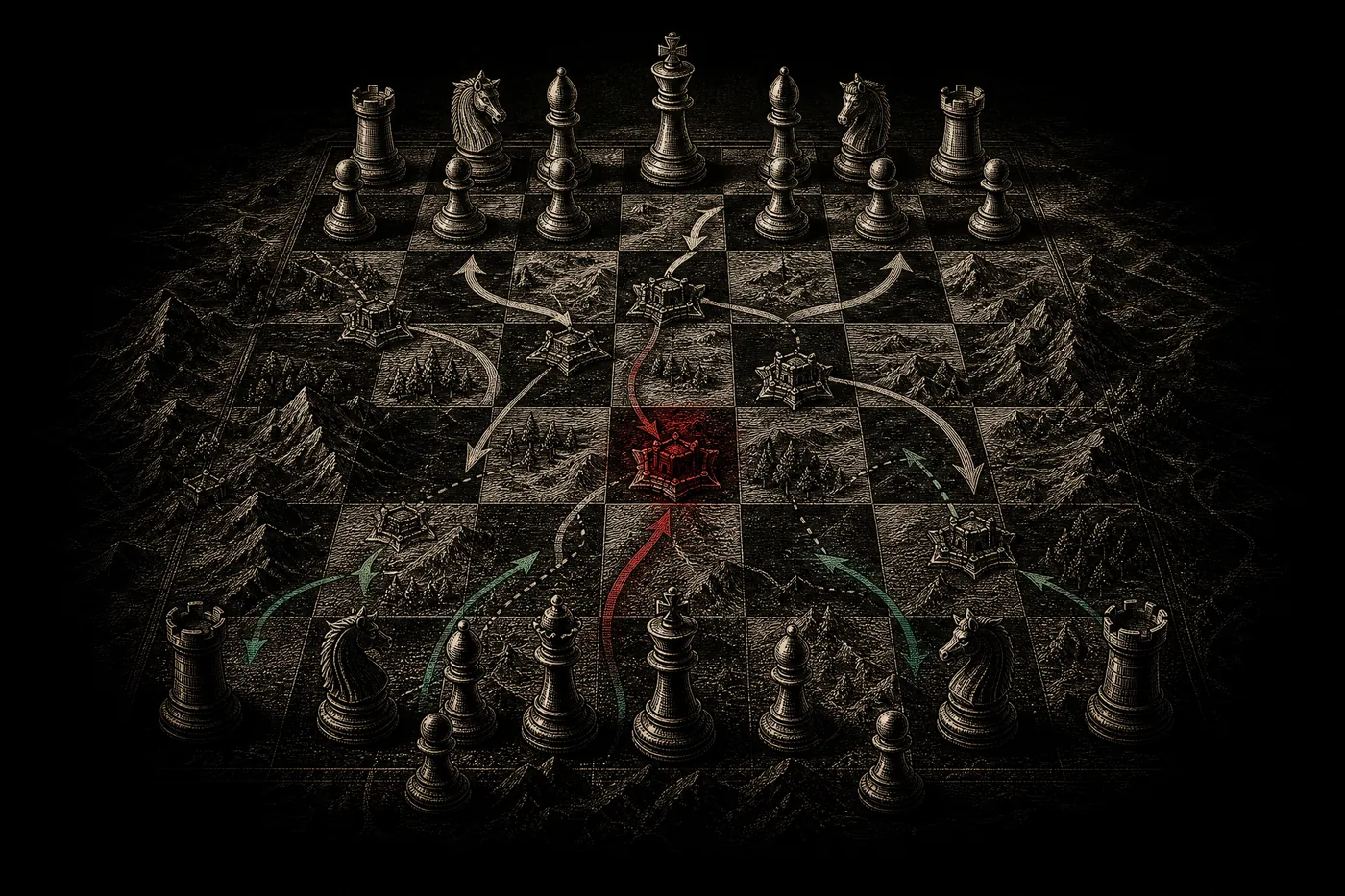
The nickname is the fact people remember most. Capablanca played with such clean, natural precision — clear plans, fast and accurate moves, flawless endgames — that opponents and journalists took to calling him the “chess machine.” It’s worth stressing that this was a compliment about accuracy, not a knock on imagination. His gift was making genuinely hard positions look effortless. We dig into how he actually did it on his playing style page.
An opening named after him
Here’s a favorite bit of trivia: the main 4.Qc2 line of the Nimzo-Indian Defense is known as the Capablanca Variation. White answers Black’s …Bb4 pin by preparing to recapture on c3 with the queen, keeping a clean pawn structure — a very Capablanca-flavored idea. It’s a small, permanent tribute baked right into modern opening theory.
What the greats said about him
- Former World Champion Emanuel Lasker reportedly summed him up like this: “I have known many chess players, but only one chess genius: Capablanca.”
- The man who dethroned him, Alexander Alekhine, later wrote that “Capablanca was snatched from the chess world much too soon” — a striking tribute from a lifelong rival.
A teacher as well as a champion
Capablanca wasn’t only a player; he was a superb explainer. His book Chess Fundamentals (1921) is still recommended a century later, and future World Champion Mikhail Botvinnik rated it the best chess book ever written. He also wrote My Chess Career (1920) and A Primer of Chess (1935). If you’ve ever been taught to “improve your worst piece” or “simplify when you’re ahead,” you’re drinking from a well Capablanca helped dig.
Trivia to drop at chess club
- He reportedly learned the game at age four, just by watching his father play.
- He beat the Cuban champion Juan Corzo in a match as a twelve-year-old.
- His signature strength was the endgame; his rook endings are still standard teaching material — see his best games.
- He was famously fast, often finding the best move almost instantly while opponents ran low on the clock.
- He lost his title to Alekhine in 1927 over a marathon 34 games — and, to his frustration, never secured a rematch.
FAQ
What is Capablanca most famous for? Being the 3rd World Chess Champion, his near-invincible run of about eight years without a loss, and his standard-setting endgame technique — all of which earned him the “chess machine” nickname.
Why is Capablanca called the “chess machine”? Because his play was so clean, accurate, and effortless that it seemed almost mechanical — a compliment about his precision, especially in the endgame.
Is there really an opening named after Capablanca? Yes — the 4.Qc2 Capablanca Variation of the Nimzo-Indian Defense carries his name.
How many games did Capablanca lose in his career? Only about 34 serious games as an adult — a remarkably low number for a player who spent decades at the very top.
When and where did Capablanca die? He died on 8 March 1942 in New York City, aged 53, after suffering a stroke at the Manhattan Chess Club.
Keep exploring
Back to Capablanca’s profile · his best games · his playing style · his openings · his career & strength · or browse all chess players.
Written and fact-checked by the Chess Lab Academy Editorial Team · Facts verified against Wikipedia, Chess.com, the World Chess Hall of Fame, the 1921 World Championship record, and the 1927 World Championship record, as of July 2026 · Last verified 2026-07-10 · How we verify content.
