

Let’s cut to it: good chess time management means spending most of your clock on the few critical moves that actually decide the game, and moving quickly through the easy ones — so you never run out of time in a position you could’ve won. Losing on time (called “flagging”) when you had the better position is one of the most painful ways to lose, and it’s almost entirely preventable.
The clock isn’t a side detail. It’s basically a fourth set of pieces, and learning to use it well can add a chunk of rating points without you learning a single new opening. Here’s how.
The 30-second version
- Move fast in obvious positions, slow down for the hard ones. Don’t spend equal time per move.
- The opening should be quick — you’ve seen these positions before.
- Save your big think for critical moments: captures, sacrifices, king-safety calls.
- Always keep a buffer. Never let your clock hit zero in a winning game.
- Use the increment if you have one — it’s free time, claim it.
What is time trouble in chess?
Time trouble (or “time pressure,” or being in “zeitnot” if you want the fancy German term) is when you’ve got way less time than you need for the moves left to play. Your clock’s bleeding, the position’s complicated, and now you’re making decisions in seconds that deserve minutes.
It’s where good positions go to die. You can outplay someone for 30 moves and then hang your queen in a five-second scramble because your brain’s in panic mode. The cruel part: time trouble is usually self-inflicted. You spent too long earlier on moves that didn’t matter, and now you’re broke.
How much time should you spend per move?
There’s no fixed number — and that’s the whole point. The biggest time-management mistake is spending roughly equal time on every move. Don’t. Time is a budget, and some moves are bargains while others are big purchases.
A rough mental model:
- Opening moves (1-10ish): seconds, not minutes. You should mostly know these. Develop pieces, control the center, castle — the opening principles guide you here, no deep calculation needed.
- Quiet positions / forced recaptures: quick. If there’s basically one sensible move, play it and bank the time.
- Critical moments: here’s where you spend. A sacrifice, a king-safety decision, a position that could go several ways — this is what your clock is for.
- Endgames: keep enough left to convert. Many winning endgames get blown in time scrambles.
The mantra: move fast when it’s easy, slow down when it’s hard. Pros sometimes spend 20 minutes on one move and three seconds on the next ten. That’s not indecision — that’s allocation.
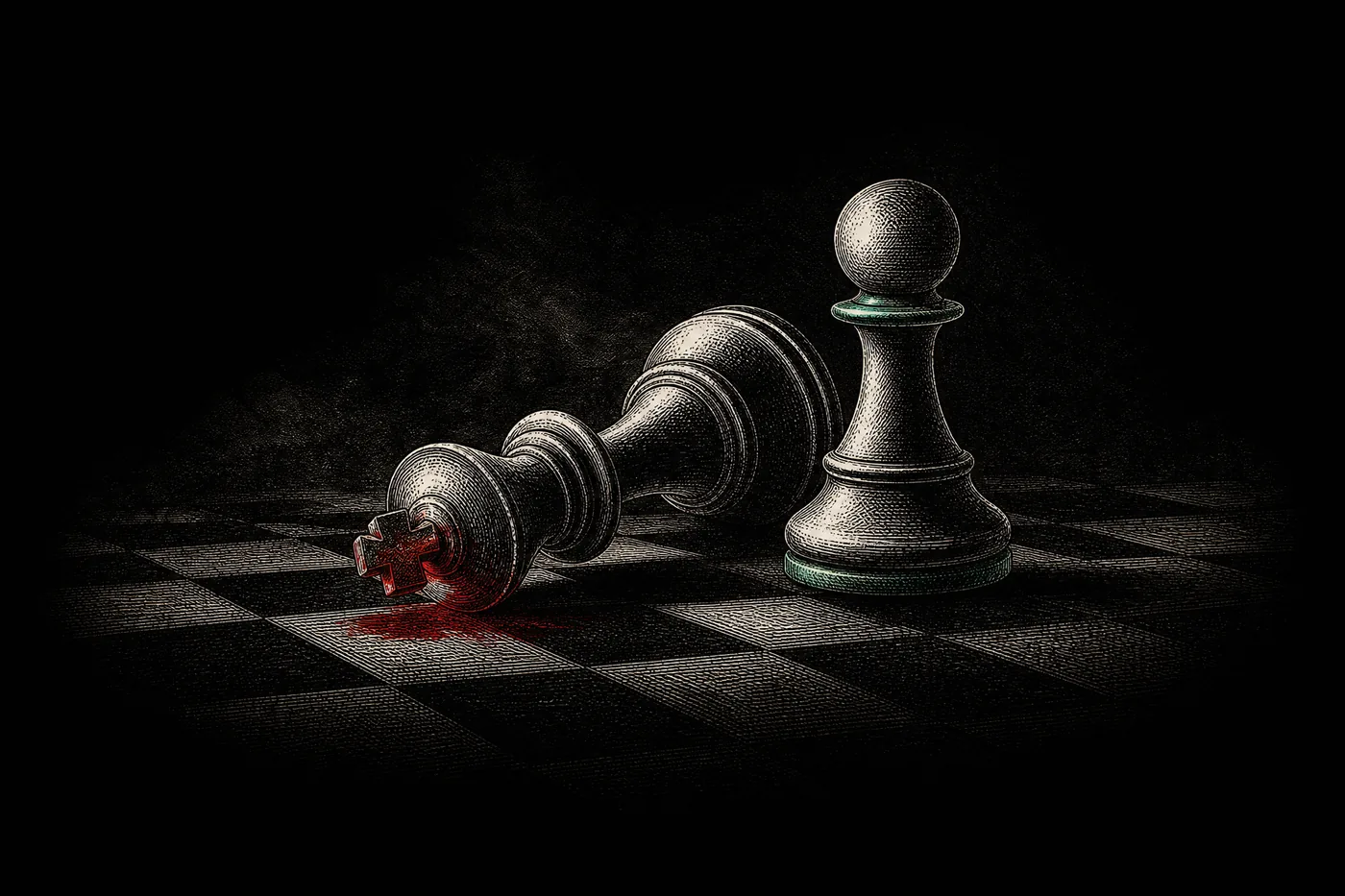
How do you stop losing on time (flagging)?
Flagging — letting your clock hit zero — usually loses you the game instantly, even if you were about to deliver checkmate. Brutal. Here’s how to stop it:
- Glance at your clock every few moves. Not obsessively, but enough to know your situation. Surprise time-outs come from never looking.
- Set a mental buffer. Decide “I won’t go below one minute unless I’m forced to.” Treat that buffer like the last gas in the tank.
- In a winning position, simplify. Trade pieces, reduce the complexity, make the moves easy. You don’t need brilliance when you’re up a rook — you need fast and safe.
- Use the increment. If your game has, say, a 3-second or 5-second increment per move, that’s free time being added each turn. Move steadily and you can play forever on increment alone.
- Pre-plan during your opponent’s clock. Their thinking time is your free thinking time. Use it.
Should you play fast or slow?
Both — at the right moments. Playing everything fast leads to blunders; playing everything slow leads to flagging. The skill is shifting gears.
But here’s an underrated truth: at improving levels, playing slightly faster than feels comfortable in the opening and easy middlegame usually helps, because it leaves you a fat time cushion for the moment it gets sharp. Most players do the opposite — they burn time early “to be safe,” then panic later. Flip that habit.
Pro tip: the move you want to spend forever on is often a move where you’ve already spotted the right idea and you’re just second-guessing yourself. Trust your first sensible instinct on quiet moves. Save the marathon thinks for genuinely murky positions.
Does the time control change your strategy?
Hugely. A 60-minute game and a 3-minute blitz game are almost different sports.
- Longer controls (rapid/classical): you have time to calculate properly. Time management is about not wasting it — don’t agonize over move 4.
- Blitz (3-5 min): intuition and pattern recognition rule. You literally can’t calculate everything. Play principled moves fast and trust your gut.
- Bullet (1 min): honestly more about speed and tactics-spotting than deep chess. Fun, but not where you learn the most.
If you want to actually improve your time management and your chess, slower is better — more on that in the best time control to improve. You can’t learn to budget time you never had. Curious how the clock itself works? See the chess clock explained.
A fun bit of history
Chess clocks weren’t always a thing. In the 1800s, players could sit and think for hours on a single move — one infamous 1800s game reportedly had a player think for over two hours on one move while his opponent nearly fell asleep. Spectators were not amused. The first mechanical chess clocks appeared around 1883 at a London tournament to stop these endurance contests. The famous “flag” — that little lever that drops when your time’s up — gave us the word “flagging.” So every time you flag someone in online bullet, you’re honoring a 140-year-old invention designed to stop people from being unbearably slow.
Common mistakes to dodge
- Equal time per move. Treating move 3 like move 30. Spend where it counts.
- Burning the clock early. Long thinks in a normal opening, then no time when it gets sharp. Backwards.
- Never looking at the clock. You can’t manage what you don’t monitor.
- Overthinking won positions. Up a queen? Play fast and safe, don’t hunt for the prettiest mate.
- Ignoring the increment. Free seconds every move — claim them by keeping a steady pace.
- Panic = tilt. Time trouble cracks your composure, which causes blunders. That spiral is really tilt — manage your head and your clock at once.
Key takeaways
- Chess time management = spend your clock on the moves that decide the game, breeze through the rest.
- Move fast when it’s easy, slow down when it’s hard. Never equal time per move.
- Keep a buffer so you never flag a winning game.
- Use the increment and think on your opponent’s clock — both are free time.
- Slower time controls teach better time management; blitz rewards intuition.
Keep climbing
A clean thought process is what lets you move quickly on easy positions — you stop dithering when you know what to look for. That’s the natural next stop.
Next up: How to think during a chess game · Also useful: the best time control to actually improve and how the chess clock works. The full improvement hub has more.
Written and fact-checked by the Chess Lab Academy Editorial Team (AI-assisted, human-edited) · Engine-verified with Stockfish 17, rules per the FIDE Laws of Chess (Article 6) · Last verified 2026-06-25 · Sources · How we verify content.
