Some chess players are admired. Vassily Ivanchuk is loved. He’s the sport’s great unpredictable genius — a former world No. 2 who never became World Champion, a man whose masterpieces and meltdowns are equally the stuff of legend, and the owner of two of chess’s most affectionate nicknames. Here’s a collection of verified facts and fun trivia about the grandmaster the whole chess world calls “Chucky.”
The nicknames: “Chucky” and “Planet Ivanchuk”
Ivanchuk is known worldwide as “Chucky” — a warm, universal nickname in the chess community. He’s also the inspiration for the phrase “Planet Ivanchuk,” which fellow players coined to describe his wonderfully dreamy, absent-minded, otherworldly demeanor. The idea is affectionate: Chucky sometimes seems to inhabit a world of his own, where inspiration flows freely and ordinary distractions simply don’t reach him. On his good days, the results are magical.
A genius from western Ukraine
Ivanchuk was born on 18 March 1969 in Kopychyntsi, a small town in western Ukraine (then part of the Soviet Union). According to his biography, his father was a lawyer and his mother a physics teacher, and he came to the game after his father gave him a magnetic chess set as a gift. From those modest beginnings he rose through the Soviet junior ranks — winning the USSR Junior Championship (1985) and the European Junior Championship (1986/87) — and earned the grandmaster title in 1988.
The “greatest never to be champion”
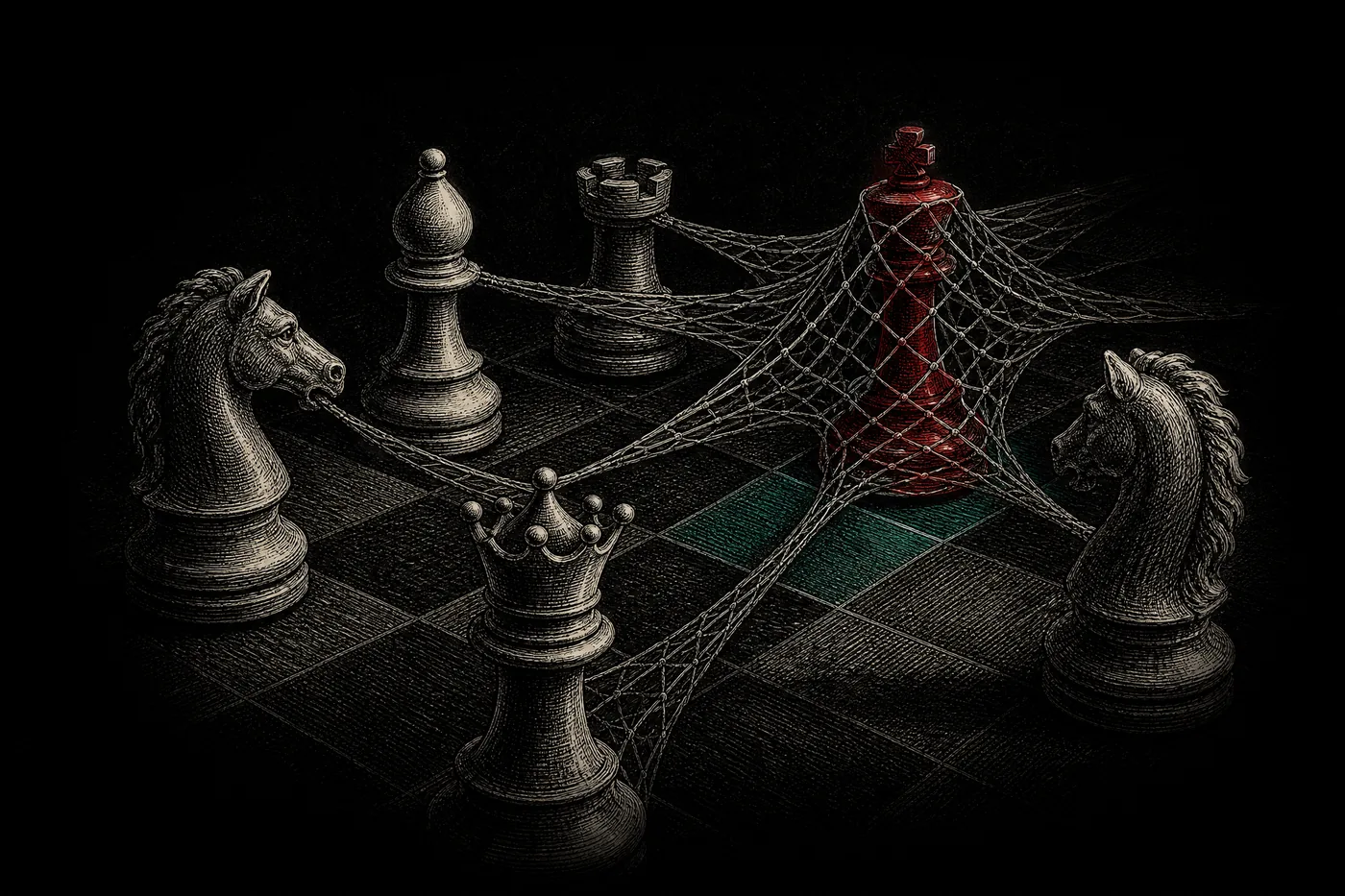
The single most repeated fact about Ivanchuk is bittersweet: he is widely called the greatest player never to become World Champion. He reached world No. 2 on three separate occasions across three decades (1991, 1992 and 2007), peaked at a rating of 2787, and made the final of the FIDE World Championship in 2002 — beating Viswanathan Anand along the way — only to fall to countryman Ruslan Ponomariov. The classical crown is the one prize that eluded him, which is precisely why fans hold him so dear.
He beat every champion from Karpov to Carlsen
Here’s a jaw-dropper. Over his long career, Ivanchuk defeated every Classical and FIDE World Champion after Bobby Fischer — from Anatoly Karpov all the way through Magnus Carlsen. That’s a span of chess generations, and it includes a crushing win over a peak-form Garry Kasparov at Linares 1991, a game still celebrated as one of the finest of its era. Read the story on Ivanchuk’s best games.
A world champion — just at faster speeds
He may lack the classical title, but Ivanchuk is a world champion twice over at faster time controls:
- World Blitz Champion (2007).
- World Rapid Champion (2016) — won at age 47, beating Magnus Carlsen among others, with a score of 11/15. It was a gloriously unlikely triumph that showed his talent never dimmed.
An Olympiad giant
Representing first the USSR and then Ukraine, Ivanchuk is one of the great team-chess competitors. He won four Chess Olympiad team gold medals — with the USSR in 1988 and 1990, and with Ukraine in 2004 and 2010 — plus a stack of individual and team medals across many more Olympiads. On the international team stage, few players have his pedigree.
A trophy cabinet full of super-tournaments
Even without the world title, Ivanchuk’s tournament record is enormous. He won the legendary Linares super-tournament three times (1989, 1991, 1995), took Wijk aan Zee (1996), the M-Tel Masters (2008), the Tal Memorial (2008), the Gibraltar Masters (2011), the European Individual Championship (2004), and the Capablanca Memorial many times over. Beating the world’s elite in the strongest events on the calendar was, for Chucky, routine.
The final word at the 2013 Candidates
In one of the most dramatic finishes in Candidates history, Ivanchuk — out of contention himself — beat both Magnus Carlsen and Vladimir Kramnik at the 2013 Candidates Tournament in London. His last-round win over Kramnik came minutes after Carlsen also lost, leaving the two leaders tied and handing Carlsen the tournament on tiebreak. Chucky, in effect, decided who would play for the World Championship.
A creative spirit beyond the board
Part of Ivanchuk’s charm is that he’s never been a pure chess machine. He’s known as a cultured, poetry-loving man with wide interests, and fellow legend Judit Polgár named him among the true geniuses of the game in 2012. That artistic temperament is inseparable from his chess: the same imagination that makes him beloved also makes him beautifully unpredictable.
FAQ
Why is Ivanchuk called “Chucky”? It’s a long-standing, affectionate nickname used throughout the chess world. Players also refer to “Planet Ivanchuk” to describe his dreamy, absent-minded, one-of-a-kind personality.
Has Ivanchuk ever been World Champion? Not the classical title — he’s often called the greatest player never to win it. But he is a World Rapid Champion (2016) and World Blitz Champion (2007), and he reached the FIDE World Championship final in 2002.
Did Ivanchuk really beat every world champion from Karpov to Carlsen? Yes — he defeated every Classical and FIDE World Champion after Bobby Fischer, from Anatoly Karpov through Magnus Carlsen, over the course of his long career.
What is Ivanchuk’s most famous win? His 1991 victory over reigning World Champion Garry Kasparov at Linares, one of the most celebrated games of the era.
Keep exploring
More Chucky: his best games · his playing style · his openings · his rating history · or the full Vassily Ivanchuk profile.
Written and fact-checked by the Chess Lab Academy Editorial Team · Facts verified against Wikipedia, his FIDE profile, and Chess.com, as of July 2026 · Last verified 2026-07-10 · How we verify content.