

If you had to sum up Rustam Kasimdzhanov in one phrase, it might be “the theoretician’s grandmaster.” He’s a universal player — comfortable attacking, defending, and grinding — but what truly sets him apart is his understanding. Kasimdzhanov doesn’t just know good moves; he can explain, in plain and often witty language, exactly why they work. That rare gift is what carried him to a World Championship and then made him one of the most sought-after coaches in the game.
Preparation and theory are his engine
Kasimdzhanov is, first and foremost, a deep opening theoretician. In the modern game the opening is a battlefield of home analysis, and he’s spent his whole career on the front lines of it — not just memorizing lines but genuinely contributing new ideas to chess theory. That’s a higher bar than most players ever reach: he’s the guy who figures out the novelty, not the guy who reads about it later.
The practical payoff at the board is huge. Time and again he reaches positions he’s studied to the bone while his opponent is still thinking for themselves. Win the opening battle, and everything downstream gets easier. His best games — above all his 2004 world-title run — are full of moments where careful preparation quietly did half the work before the real fight even began.
Imaginative, not robotic
Being a theory expert could make a player dry and predictable. Kasimdzhanov is the opposite: he’s long been described as a strong and imaginative player, someone who reaches for creative, unbalancing ideas rather than safe symmetry. He likes positions with tension and dynamism — structures where both sides have chances and understanding matters more than memorization.
Nothing shows this better than his love of the Modern Benoni. It’s one of the most double-edged defenses in chess: Black voluntarily accepts a cramped, asymmetrical pawn structure in exchange for dynamic piece play and attacking chances down the half-open files. It’s a fighting, risk-embracing choice — and Kasimdzhanov championed it so enthusiastically that he built an entire instructional course around bringing it back into fashion.
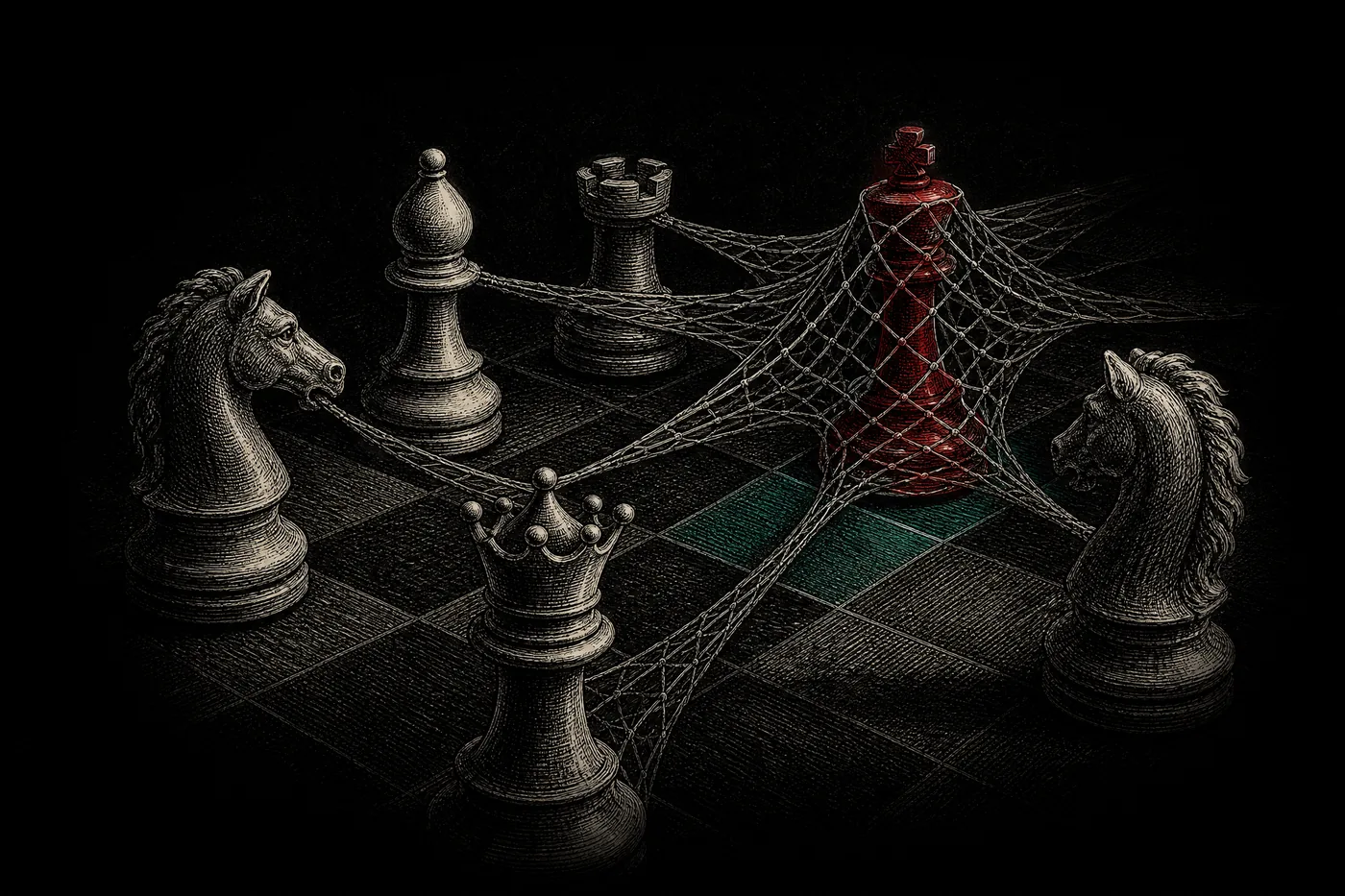
Nerves of a knockout specialist
There’s a reason Kasimdzhanov’s biggest results came in knockout and match formats. Short matches and rapid tiebreaks are a special kind of pressure — one bad game and you’re out — and he thrives in exactly that cauldron. His 2004 title run required him to hold his nerve match after match against elite opposition, including several rapid tiebreaks where composure counts as much as calculation. He also reached the 2002 World Cup final, another grueling knockout. Cool-headed, resilient, and dangerous when the clock speeds up: that’s a competitor built for high-stakes chess.
The universal toolkit
Slap a single label on Kasimdzhanov and you’ll miss him. He can play the sharp, tactical Sicilian as White and the fighting Benoni or French as Black — but he’s equally at home in slow, classical maneuvering with the solid Berlin or a Queen’s Gambit Declined structure. That range is a hallmark of the very best players: they don’t force every game into their favorite type of position, they adapt to whatever the board demands. It also made him a brilliant coach, because he genuinely understands all the structures, not just his pet lines.
From player to kingmaker
Here’s the part of Kasimdzhanov’s style that’s almost unique: he turned his understanding outward. After his own peak, he became one of chess’s most respected seconds — the behind-the-scenes analysts who prepare a champion’s openings and strategy. He worked for years with Viswanathan Anand during Anand’s World Championship matches, and famously contributed ideas that helped Anand’s cause at the top level. He later trained Sergey Karjakin and, most famously, became Fabiano Caruana’s long-time second, including for the 2018 World Championship against Magnus Carlsen.
Think about what that means for his style: the same brain that beat Topalov and Adams in 2004 spent years finding the exact ideas that decided other champions’ games. Kasimdzhanov’s chess isn’t just something he does — it’s something he can teach, and that teacher’s clarity is baked into how he plays.
What casual players can learn from Kasimdzhanov
You don’t need a grandmaster’s memory to borrow from Kasimdzhanov. A few of his habits scale down beautifully to club and casual chess:
- Understand your openings, don’t just memorize them. Kasimdzhanov’s superpower is knowing why a move is good. Learning the plans behind your openings beats cramming move-orders you’ll forget under pressure.
- Embrace a little imbalance. You don’t have to play the Benoni, but choosing openings with real winning chances — rather than dead-drawish symmetry — makes you a tougher opponent and a better learner.
- Train your nerves for fast finishes. Rapid and tiebreak temperament is a skill. Practicing quicker time controls teaches you to stay calm and trust your instincts when the clock bites.
- Study the ideas of great teachers. Kasimdzhanov is a coach’s coach for a reason — clear, honest, and idea-first. Learning from explainers like him is one of the fastest ways to actually improve.
Style in one line
Deeply prepared, imaginative, and universal — a world-class theoretician who wins with understanding and nerve rather than any single trick. It’s the style that made him a World Champion and, later, a maker of champions.
Keep exploring
See the approach in action in his best games, get the full opening repertoire, follow his rating history, or head back to the Rustam Kasimdzhanov profile. Curious about the champion he seconded? Read about Fabiano Caruana.
Written and fact-checked by the Chess Lab Academy Editorial Team · Facts verified against Wikipedia, his FIDE profile, and Chess.com, as of July 2026 · Last verified 2026-07-10 · How we verify content.
