

Gata Kamsky’s career is stacked with genuine firsts, huge results, and one of the most unusual life stories in chess. Here’s a fact sheet you can trust — everything below is drawn from reliable sources and dated where it matters. Perfect for settling a chess argument or impressing your club.
The headline records
- 1996 World Championship finalist. Kamsky fought his way to the final of the 1996 FIDE World Championship, losing the match to Anatoly Karpov 7½–10½ — but winning three individual games against one of the greatest players in history.
- 2007 Chess World Cup winner. After years away from the game, he won the 2007 World Cup, a 128-player knockout, beating a field that included Peter Svidler, former FIDE champion Ruslan Ponomariov, a teenage Magnus Carlsen, and Alexei Shirov in the final.
- Five-time US Champion. Kamsky has won the US Championship five times — in 1991, 2010, 2011, 2013, and 2014.
- World No. 4 and a 2763 peak. He reached a peak world ranking of No. 4 in 1995, and his highest FIDE rating, 2763, came later during his comeback in 2013.
Personal & background facts
- Birth name. He was born Gataulla Rustemovich Sabirov on 2 June 1974 in Novokuznetsk, in Siberia, into a Tatar family.
- Child prodigy. He learned chess young and was a standout junior in the Soviet system, winning national youth titles as a boy before his teens.
- Emigrated in 1989. He moved to the United States in 1989 and became a grandmaster the very next year, in 1990, at age 16.
- His father, Rustam. Kamsky’s father — a former boxer — was his coach and manager in the early years and became a well-known, controversial figure on the chess circuit. Whatever the drama around him, the chess ability was Gata’s own, and it carried him to a world-title match.
The part of the story nobody believes
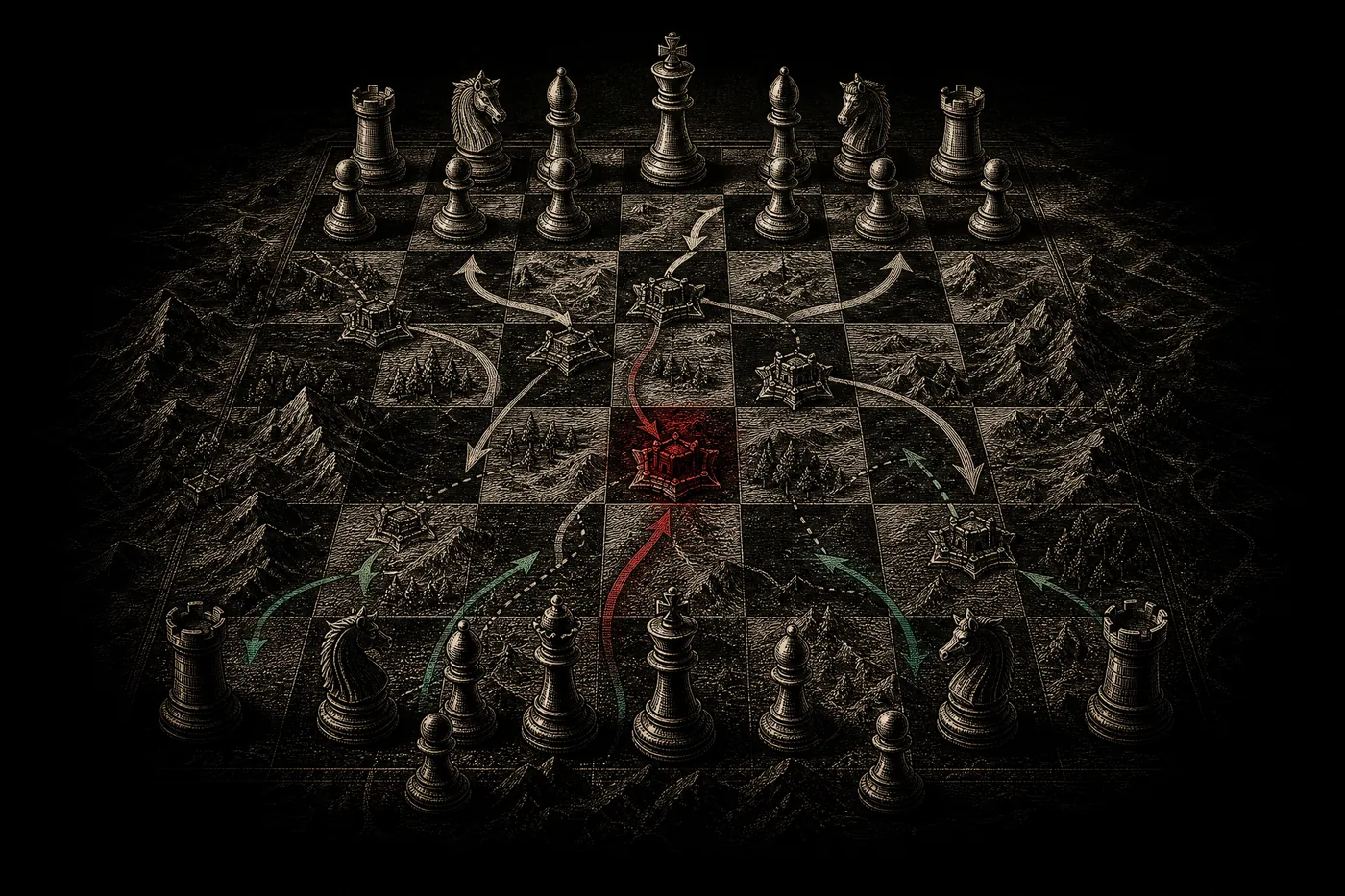
Here’s the fact that makes Kamsky’s career unique. After the 1996 World Championship match, at a time when he was one of the best players on Earth, he walked away from professional chess entirely. He enrolled in college in the United States, reportedly aiming first at a medical career and later studying law, and for the better part of a decade he simply wasn’t a competitive chess player.
Then he came back — and instead of being rusty and irrelevant, he won the 2007 World Cup and started a second run of elite results. Leaving the game in your prime and returning years later to win a major title is almost without precedent at that level. It’s why Kamsky is remembered as much for his resilience as for any single game. Read the full story in his best games.
Tournament & title facts
- A 19-year gap between US titles. Kamsky won his first US Championship in 1991 as a teenager — and didn’t win his second until 2010, nearly two decades later. Very few champions bookend a career like that.
- Candidates giant-killer. On his 1990s run toward the world title, he beat future World Champion Vladimir Kramnik and former challenger Nigel Short (whom he crushed 5½–1½) in Candidates matches.
- He beat a young Carlsen. In the 2007 World Cup semifinals, Kamsky knocked out a 16-year-old Magnus Carlsen — years before Carlsen rose to No. 1 in the world.
- A rapid title too. He added a Rapid World Championship title in Mainz in 2010, showing his fighting chess translated to the faster time controls as well.
The London System living legend
If you play the London System, you know Kamsky’s name. He is one of the opening’s most famous elite champions, having wheeled it out hundreds of times against strong grandmasters over his career. To London devotees, he’s a kind of patron saint of the system — proof that a calm, “boring-looking” 1.d4 and 2.Bf4 setup can be a lethal weapon at the very top. It fits everything about him: solid, patient, and impossible to knock over. See how it anchors his opening repertoire.
A career that spans eras
One of the most remarkable things about Kamsky is simply how long he’s been relevant. He rose to prominence in the same era as legends like Karpov and Kasparov, played a World Championship final in 1996, and was still winning US Championships in 2013 and 2014 — competing against a generation of players who weren’t even born when he first made the world top ten. Bridging that many chess eras, across a decade-long break in the middle, is something almost no other player has done. He’s living proof that a fighting spirit and a sound, classical approach can keep you dangerous for a very long time.
Quick-fire trivia
- His career spans an astonishing range: he was a world-title challenger in 1996 and still an active grandmaster as of July 2026.
- His best raw rating (2763) came after his best world ranking (No. 4) — a neat illustration of decades of rating inflation, which we unpack in his rating history.
- He’s one of the central figures of American chess, alongside modern stars like Wesley So.
- His whole career is a lesson in never giving up — the same stubbornness that wins his long endgames is what powered his comeback.
Keep exploring
Chase the stories behind the facts: his best games · his playing style · his rating history · the full Gata Kamsky profile · or compare him with his 1996 title opponent Anatoly Karpov and browse all chess players.
Written and fact-checked by the Chess Lab Academy Editorial Team · Facts verified against Wikipedia, his FIDE profile, and Chess.com, as of July 2026 · Peak rating and ranking dated; current status stamped “as of July 2026” · Last verified 2026-07-10 · How we verify content.
