

If you had to sum up Gata Kamsky in one word, it would be “stubborn” — in the best possible way. He plays some of the most resilient, hard-nosed chess you’ll ever see: a tough, positional style built on defense, patience, and an absolute refusal to give up. He doesn’t need to blow you off the board. He’ll take everything you throw at him, defend like his life depends on it, and slowly grind you down until you are the one who breaks.
The great fighter
The defining trait of Kamsky’s chess is fighting spirit. He’s famous for playing long, and for playing on in positions where other grandmasters would shake hands and split the point. That willingness to keep pressing — to squeeze a dry-looking position for 80, 90, 100 moves — is exactly how he wins games that “should” be draws.
This isn’t recklessness; it’s the opposite. It’s the confidence of a player who trusts his technique and his nerves to outlast anyone. It’s also, quite literally, the story of his whole career: a man who left chess for years, then came back and out-fought a field of elite grandmasters to win the 2007 World Cup. The same tenacity that wins him long endgames is what let him rebuild a world-class career from scratch.
A world-class defender
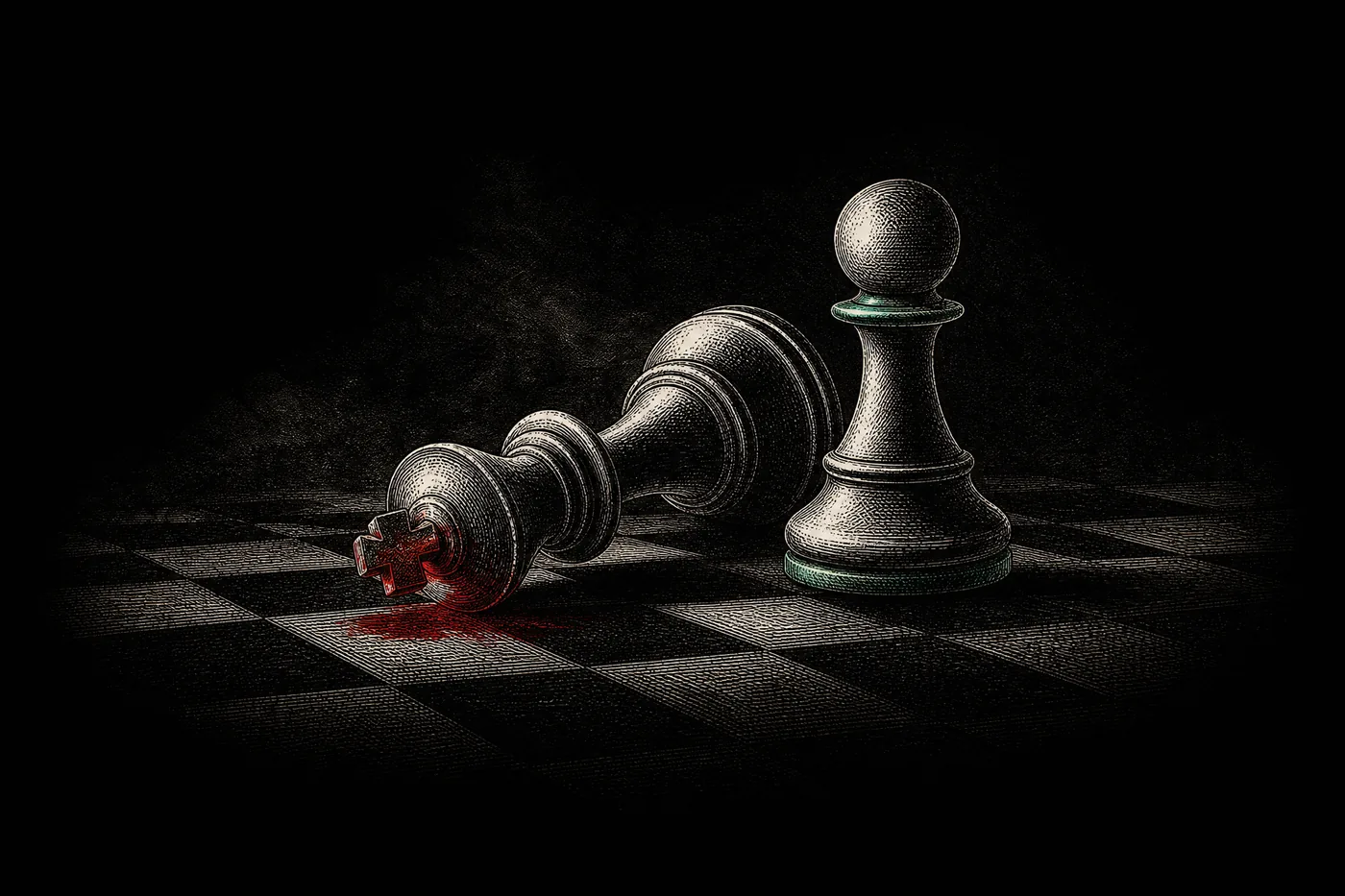
Most players hate being under pressure. Kamsky is one of those rare grandmasters who is completely comfortable defending — soaking up an attack, holding a cramped position, and calmly neutralizing threats until the storm passes. Great defense is one of the hardest skills in chess because it requires precision under stress: one slip and it’s over. Kamsky’s ability to hold difficult positions and then turn the game around is a huge part of why he’s so hard to beat.
It’s a quality he shares with the very best technicians in history — including Anatoly Karpov, the man he faced in the 1996 World Championship final. Both are players who make you feel like you’re pushing against a wall that simply won’t fall down.
The patient positional grinder
Kamsky is a positional player at heart. Rather than hunting for a knockout combination, he accumulates small, structural advantages — a better pawn, a nicer piece, a safer king — and improves his position patiently until those little edges add up to a win. His openings tell the story: as White he’s a famous champion of the London System, a calm setup that avoids early chaos and heads for a slow, maneuvering middlegame where understanding beats memorization.
That’s the terrain Kamsky loves: no fireworks, just a long game where he can nudge his pieces to better squares move by move and wait for you to lose patience. It’s the chess equivalent of a marathon runner who simply keeps a steady pace while everyone around them burns out.
Endgame technique
Because Kamsky is happy to trade down and play long, he ends up in a lot of endgames — and he’s excellent in them. When the queens come off and the position simplifies, his accuracy and stamina take over. A tiny edge that many players would let slip becomes, in his hands, a slow and inevitable win. It’s the same skill that underpins his whole approach: he’s not trying to win in one blow, he’s trying to win in the last blow.
Nerves for the long haul
There’s a mental dimension to Kamsky’s style that’s easy to overlook. Match play and knockout events are as much about composure as calculation, and Kamsky is famous for both his focus and his stamina. In the 1990s he won a string of gruelling Candidates matches; in 2007 he ground his way through a 128-player World Cup. Staying calm and sharp over seven-hour games and multi-round knockouts is its own talent, and it’s one of Kamsky’s biggest weapons. You can see it in action in his best games.
How his style compares
It’s useful to place Kamsky next to other greats. Where an attacker like Garry Kasparov wins with initiative and fireworks, Kamsky wins with resistance and endurance. He sits closer to the great defensive technicians — a grinder in the mold of the players who win by never beating themselves. He’s less interested in dazzling you than in simply refusing to lose, and then pouncing when you tire. That’s why his repertoire, built around the reliable London System and the solid Slav Defense, fits him so perfectly.
What casual players can learn from Kamsky
You don’t need a 2700 rating to borrow the best parts of Kamsky’s approach. His habits scale down to club and casual chess beautifully:
- Don’t give up on “lost” positions. So many casual games are thrown away when a player mentally checks out. Kamsky’s whole career is proof that stubborn defense saves half-points and steals full ones.
- Learn to defend calmly. When you’re under attack, slow down, look for your opponent’s real threats, and meet them one by one. Panic loses far more games than bad positions do.
- Play the long game. You don’t have to win in 25 moves. Reach a sound position, keep improving your worst piece, and let the game come to you.
- Get good at endgames. Kamsky wins countless points after the queens come off. Even a little endgame study turns “drawn” games into wins.
Style in one line
Tough, patient, and unbreakable — a resilient defender and positional grinder who never stops fighting and simply outlasts you. It’s the style that took him to a World Championship final and, years later, a World Cup title.
Keep exploring
See the approach in action in his best games, get the full opening repertoire, follow his rating history, or head back to the Gata Kamsky profile. Curious about the great defender he challenged for the world title? Meet Anatoly Karpov.
Written and fact-checked by the Chess Lab Academy Editorial Team · Facts verified against Wikipedia, his FIDE profile, and Chess.com, as of July 2026 · Last verified 2026-07-10 · How we verify content.
