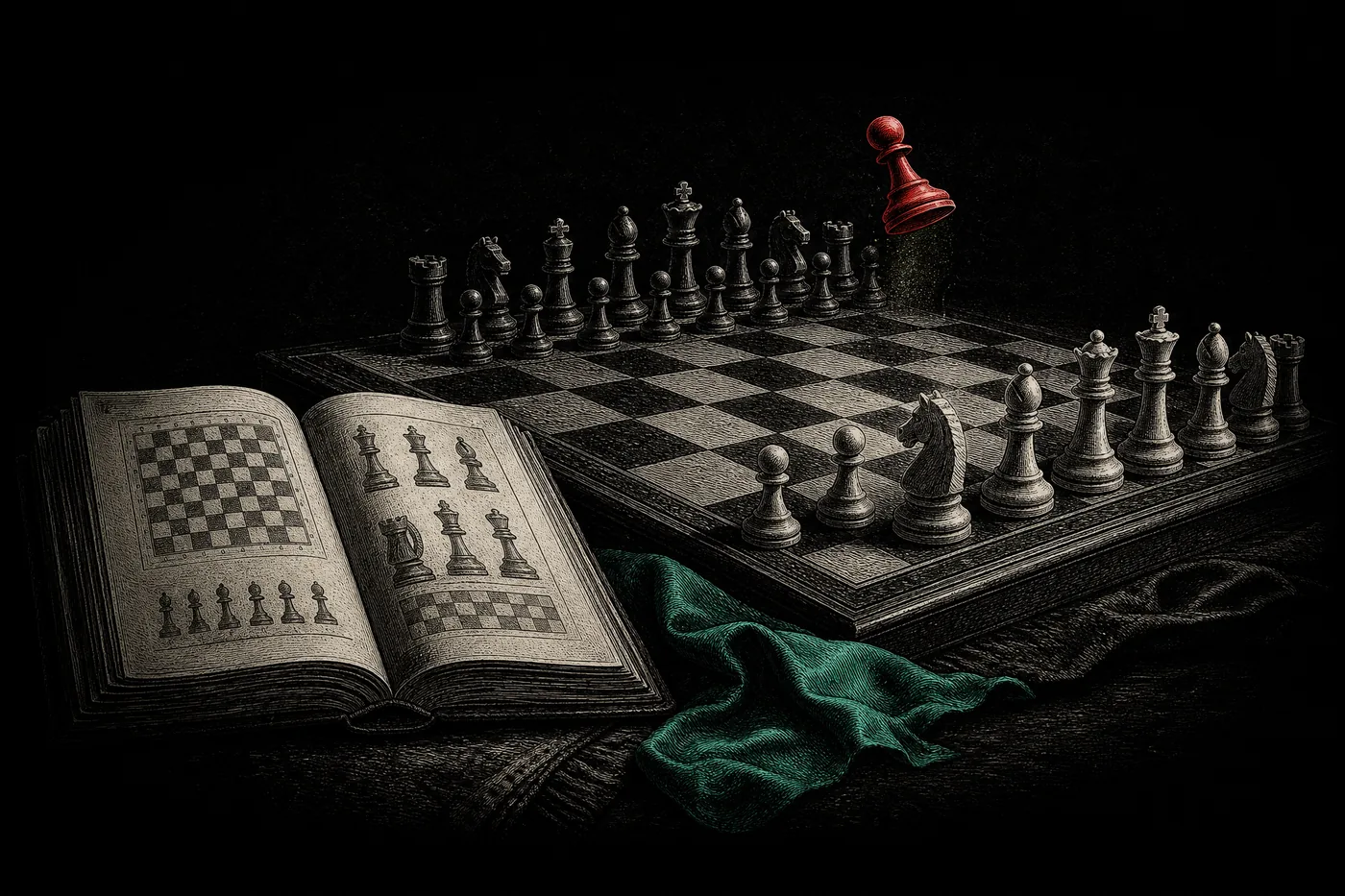
Chess time controls decide how much time each player gets for a game, and they split chess into four main speeds: bullet (super fast), blitz (fast), rapid (medium), and classical (slow). A time like “3+2” means 3 minutes per player plus 2 bonus seconds added each move. The faster the control, the more it rewards instinct over deep thinking.
Same rules, same board — but a 1-minute bullet game and a 2-hour classical game feel like completely different sports. Here’s how to tell them apart and pick the right one.
The 10-second version
- Bullet: under 3 min/player — pure speed.
- Blitz: 3–5 min — fast but thinkable.
- Rapid: ~10–60 min — room to plan.
- Classical: 60+ min — deep, serious chess.
- “3+2” = 3 minutes + 2 seconds added per move.
What does something like “3+2” mean?
Time controls are written as two numbers: base time + increment.
- The first number is your starting time, usually in minutes.
- The second number is the increment — extra seconds added to your clock every time you move.
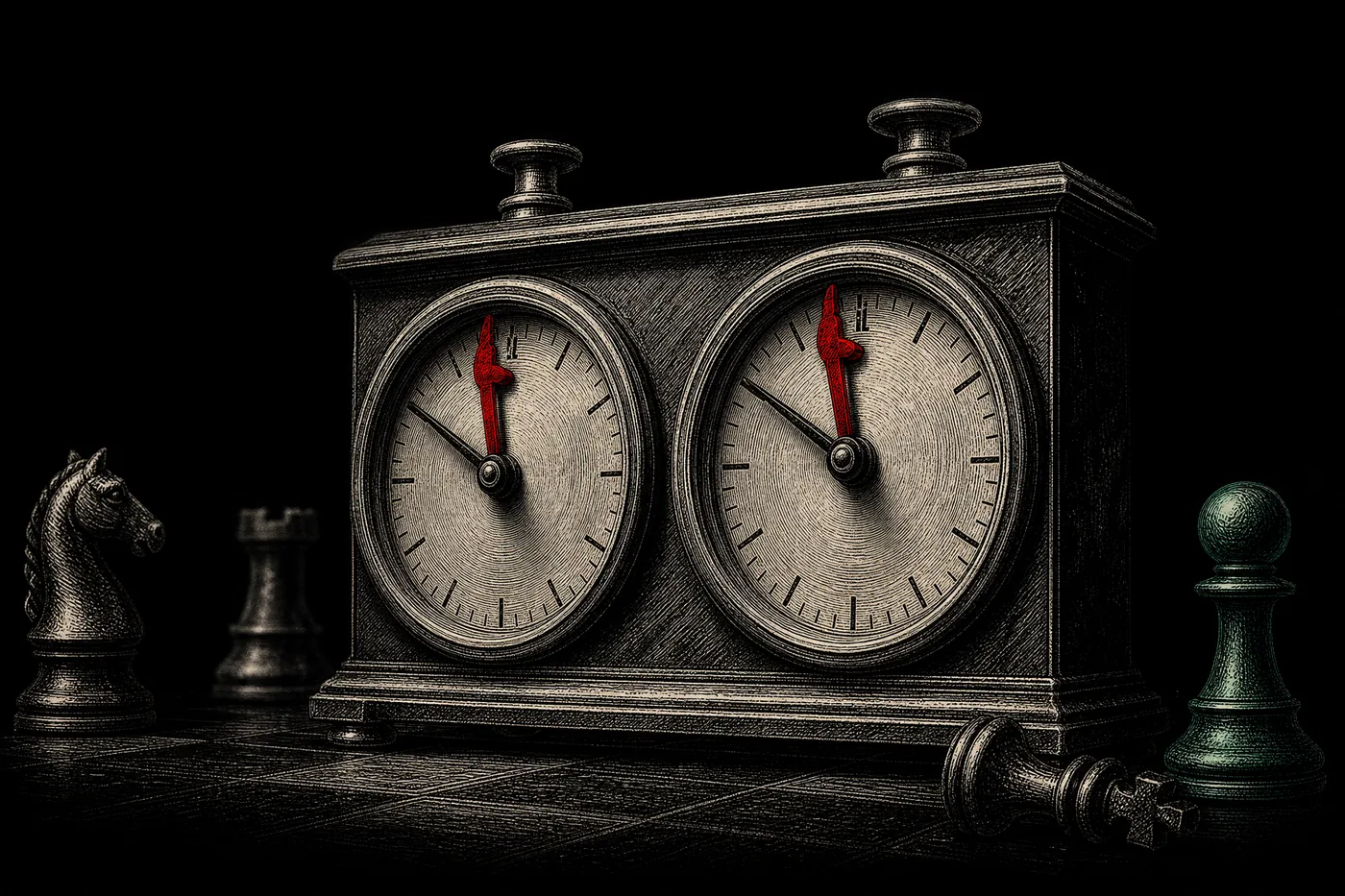
So 3+2 means each player starts with 3 minutes and gains 2 seconds back per move. 5+0 means 5 minutes with no bonus (sudden death). 15+10 means 15 minutes plus 10 seconds a move. (If the increment idea is fuzzy, our chess clock guide breaks down increment vs delay.)
The increment matters more than beginners think. Even a small +2 keeps you from flagging instantly in a long game and can let you “live on the increment” in a scramble. A “+0” game, by contrast, is a flat-out race to the finish.
What is bullet chess?
Bullet is the fastest format — generally under 3 minutes per player for the whole game, with the iconic version being 1+0 (one minute each, no increment). At this speed there’s no time to calculate deeply; you play on pattern recognition, gut feel, and pure hand speed.
Bullet is wildly fun and addictive, but it’s a terrible teacher. You’ll make moves so fast you can’t learn from them, and games often end on time rather than on the board. It’s the chess equivalent of a 100-meter dash — thrilling, but not where you build technique.
What is blitz chess?
Blitz runs roughly 3 to 5 minutes per player, with 3+2 and 5+0 being the classics. It’s fast enough to be exciting and a real test of your instincts, but slow enough that you can actually think for a second or two on key moves.
Blitz is the sweet spot for “I’ve got 10 minutes, let’s play a couple of games.” You’ll get tactical and learn to spot threats quickly. Just don’t make it your only diet — blitz rewards speed, and beginners need slower games to build real understanding.
What is rapid chess?
Rapid gives each player roughly 10 to 60 minutes (popular settings: 10+0, 15+10, 25+10). Now you’ve got genuine time to think — to make a plan, calculate a few moves ahead, and notice your opponent’s threats before they land.
Rapid is widely considered the best balance for improving players: long enough to play good chess, short enough that you can fit a game into a coffee break. If you want to actually get better, lots of your games should be rapid.
What is classical chess?
Classical is the slow, serious format — 60 minutes or more per player, often with extra time added after a set number of moves. Top tournaments use controls like 90 minutes for the first 40 moves, then 30 more minutes, plus a 30-second increment from move one. Games can stretch for hours.
This is “real” chess in its purest form — deep calculation, long-term planning, and almost no time pressure for most of the game. It’s how world championships are (largely) decided. For a beginner, an occasional long game is fantastic training: it forces you to slow down and actually think instead of moving on reflex.
Which time control is best for beginners?
Short answer: rapid (something like 10+0 or 15+10). Here’s the reasoning:
- It gives you enough time to think — to ask “is this piece safe?” and “what’s my opponent threatening?” before every move. That’s where learning happens.
- It’s not so long that a single game eats your whole evening.
- It builds good habits instead of the panicky, blunder-heavy reflexes that bullet drills into you.
By all means play blitz for fun — it’s a blast. But if your goal is to improve, let rapid be your bread and butter, sprinkle in a slow classical game now and then to train deep thinking, and treat bullet as dessert.
| Format | Time per player | Best for |
|---|---|---|
| Bullet | Under 3 min | Pure fun, speed, instinct |
| Blitz | 3–5 min | Quick games, tactics practice |
| Rapid | ~10–60 min | Learning and improving |
| Classical | 60+ min | Deep, serious chess |
A fun bit of history
Early tournament chess had no fast formats at all — games were long, and the only worry was players stalling. The “fast chess” revolution came later. Blitz (“lightning chess”) grew popular in the early 1900s as a casual club pastime, while bullet is a child of the internet age, only really taking off once online platforms could enforce 1-minute clocks reliably. Rapid (“active chess”) was pushed in the late 1980s as a TV-friendly, spectator-friendly format. So the four speeds you can choose from today are layers of chess history — slow first, fast much later.
Common mistakes to dodge
- Only playing bullet and blitz. It feels productive because you play so many games, but you’re mostly training speed, not skill. Improvement lives in slower games.
- Ignoring the increment. A 3+2 game plays very differently from a 3+0 game — that +2 can save you in an endgame scramble. Read the full time control before you start.
- Playing too slow for the format. In a 5-minute game, you can’t spend 90 seconds on move six. Budget your time across the whole game.
- Blaming the clock for blunders. Time trouble exposes weak habits; it doesn’t create them. Slower games fix the root cause.
Key takeaways
- Time controls = how much time each player gets; the four speeds are bullet, blitz, rapid, classical.
- Written as base + increment: “3+2” = 3 minutes plus 2 seconds added each move.
- Bullet (<3 min) is fastest; classical (60+ min) is slowest and deepest.
- Rapid (~10–60 min) is the best format for beginners who want to improve.
- Play blitz/bullet for fun, but learn in slower games.
Keep climbing
Time controls and the clock go hand in hand — if you haven’t yet, see how the clock itself actually works.
Next up: How a chess clock works · Also handy: the full rules of chess and how draws happen.
Written and fact-checked by the Chess Lab Academy Editorial Team (AI-assisted, human-edited) · Rules and rating categories cross-checked against the FIDE handbook and every position verified with Stockfish 17 · Last verified 2026-06-25 · Sources · How we verify content.