
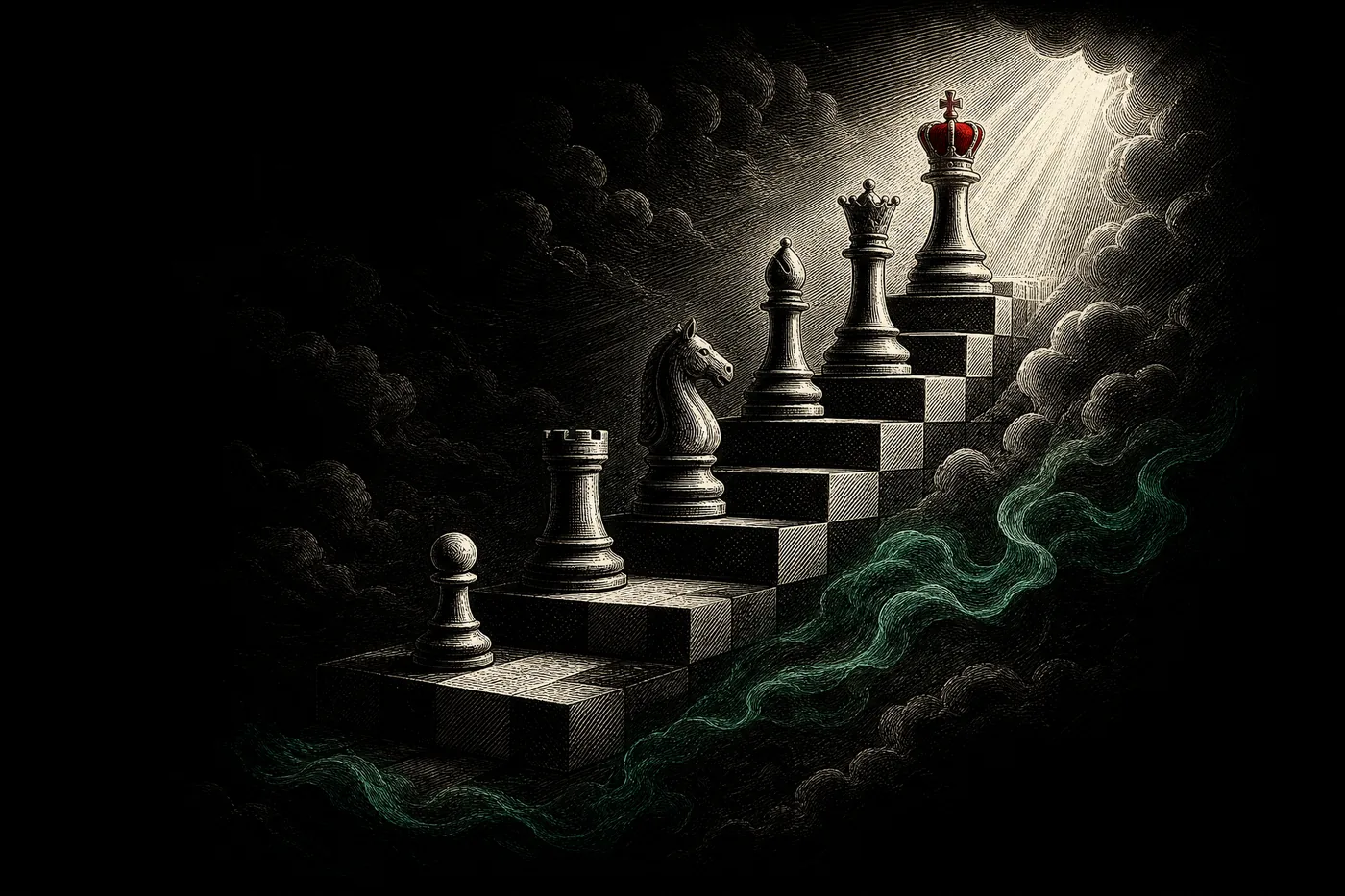
How many chess puzzles should you do per day? The honest answer is quality over quantity: about 5–20 puzzles solved properly beats 100 rushed. A “proper” solve means calculating the full solution in your head before you move — not clicking fast and guessing. Solving a handful of puzzles correctly and deliberately trains your pattern recognition and calculation far better than blitzing through hundreds. The number matters way less than the method.
People love asking for a magic puzzle count because it feels measurable. But two players doing “30 puzzles a day” can get wildly different results depending on how they solve. Let’s focus on the part that actually moves your rating.
Puzzle rules of thumb
- Aim for ~5–20 a day, solved carefully — not a giant number rushed.
- Calculate fully before moving. See the whole line in your head first.
- Slow puzzles > speed puzzles for real improvement.
- Review the ones you miss. The misses teach the most.
- Consistency wins: 10 a day every day beats 100 once a week.
How many puzzles per day is ideal?
There’s no universal number, but a practical target for most improving players is 5–20 carefully solved puzzles a day. That’s enough to build patterns and stretch your calculation without turning into a mindless grind.
Here’s the key: the value isn’t in the count — it’s in the focus. Five puzzles where you calculate the full solution, including your opponent’s best defense, are worth more than fifty where you click the first move that looks right. If you only have time for a handful, solve those few properly and you’ll still improve.
Take that fork. The “fast” solver clicks Nc7+ because it’s a check. The training solver sees why it works — king and rook on the same knight’s reach — and that’s the pattern they’ll recognize in their own games later.
What’s the right way to solve a chess puzzle?
This is where most of the improvement actually comes from. Do it like this:
- Find the full solution before touching anything. Calculate the entire line — your moves and the opponent’s best replies — in your head first.
- Don’t guess and click. If you’re not sure, that’s a harder puzzle to learn from, not a reason to gamble. Keep calculating.
- Verify, then understand the miss. When wrong, don’t just shrug and move on — figure out why the right move worked and what you overlooked.
- Name the pattern. Was it a fork? A pin? A back-rank weakness? Labeling it helps you spot it next time.
This is the same disciplined looking behind good calculation and a solid blunder check. Puzzles done right are calculation training in a bottle.
Are speed puzzles (puzzle rush) worth it?
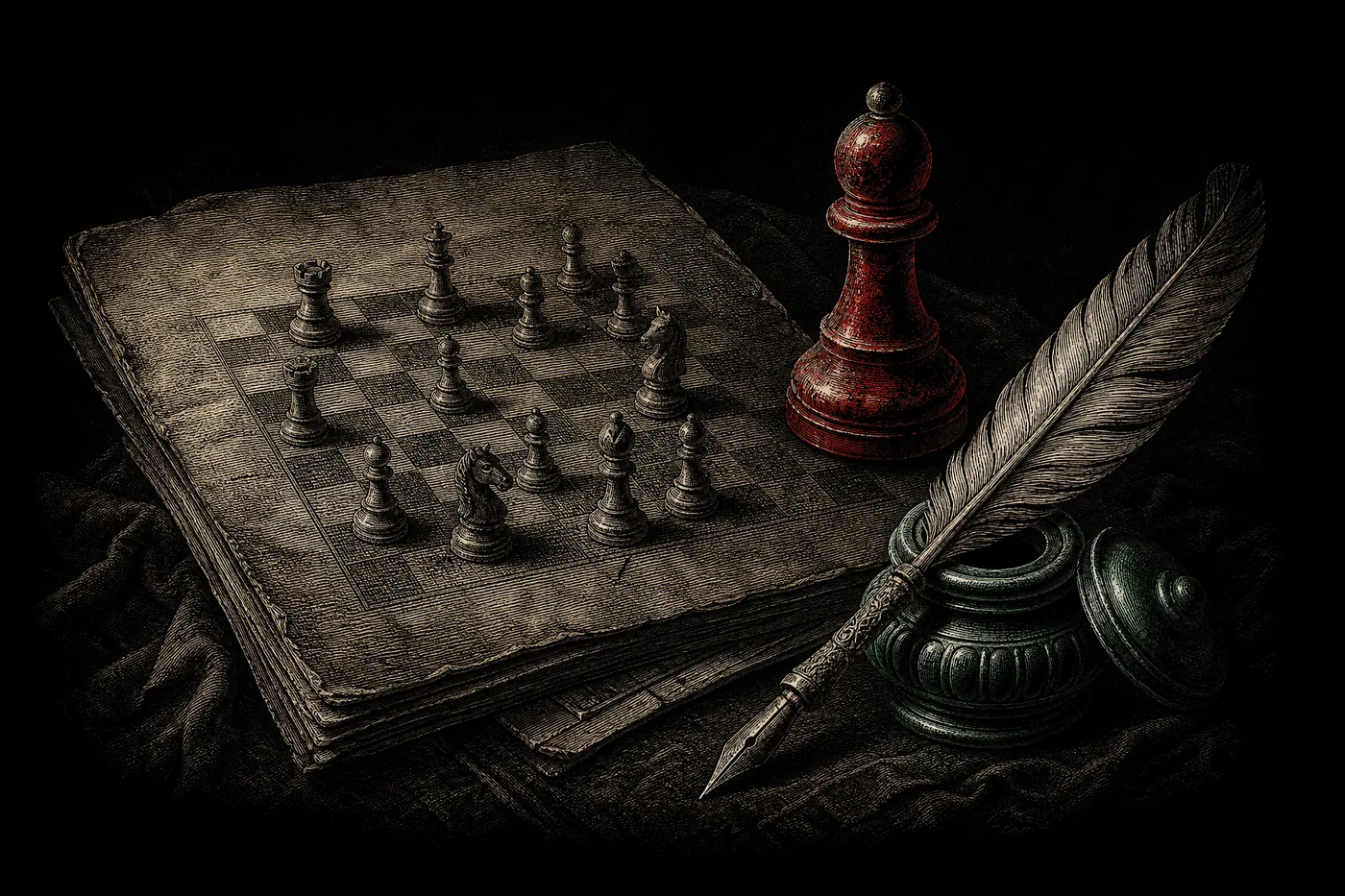
In moderation — but they’re a different tool. Slow puzzles build calculation and pattern quality; speed puzzles build pattern recognition and quick instincts. Both have a place, but if real improvement is the goal, slow and deliberate should be the majority of your work.
Speed modes are fun and great for warming up or testing recall, but they reward the first move that looks right, which can quietly train you to play impulsively — the exact opposite of the safety check that stops blunders. Use them as a fun supplement, not your main diet. The bulk of your puzzle time should be calculate-fully-then-commit.
Do chess puzzles actually improve your rating?
Yes — they’re one of the highest-return activities for improving players, if solved properly. Puzzles train the two things that decide most games below master level: recognizing tactical patterns and calculating accurately. That carries directly into real games.
But puzzles aren’t the whole picture. They tell you a tactic exists in the position; real games don’t. So pair puzzles with slow games and analysis (see a study plan that actually works). Puzzles sharpen the blade; games are where you learn to notice when to swing it.
The “puzzle rating” trap
Fun fact that trips people up: your puzzle rating and your game rating are not the same thing, and chasing a shiny puzzle number can actually mislead you. Some players grind their puzzle rating sky-high by pattern-matching fast, then wonder why their game results don’t follow. The reason? Puzzles announce that a tactic is there; in a real game, spotting the moment is half the battle. So don’t obsess over your puzzle score. Treat puzzles as training, not a leaderboard — the goal is sharper vision in your actual games, not a bigger number next to your name.
Common puzzle mistakes
- Going for quantity over quality. Blitzing 100 puzzles teaches your fingers, not your brain. Slow down and solve fewer, fully.
- Guessing and clicking. Calculating to the end before moving is the entire point. Guessing skips the training and rewards luck.
- Skipping the misses. The puzzles you fail are the most valuable — they reveal exactly what you don’t yet see. Study them.
- Living in speed mode. Puzzle rush is a fun supplement, but as your main practice it trains impulsive play. Make slow solving the core.
- Chasing the puzzle rating. It’s a training metric, not a trophy. Optimize for sharper game vision, not a higher score.
Key takeaways
- Aim for ~5–20 puzzles a day, solved properly — quality crushes quantity.
- Calculate the full line in your head (including the opponent’s defense) before moving.
- Slow puzzles build real skill; speed puzzles are a fun supplement, not the main course.
- Review the ones you miss — they teach the most.
- Puzzles improve your rating when paired with slow games and analysis.
FAQ
How many chess puzzles should I do a day? About 5–20, solved carefully, is a solid target for most improving players. The number matters far less than the method — a few puzzles calculated fully beat dozens rushed. If you’re short on time, just solve fewer, properly.
Are chess puzzles good for improvement? Yes — they’re one of the best activities for improving players, training both pattern recognition and calculation. The catch is solving them properly: calculate the whole solution before moving, and review the ones you miss.
Should I do puzzle rush or slow puzzles? Mostly slow puzzles. Slow solving builds calculation and pattern quality; speed modes build quick recognition but can train impulsive play. Use puzzle rush as a fun supplement, not your main practice.
Do puzzles improve your chess rating? They do, especially below master level where most games turn on tactics. But puzzles tell you a tactic exists, while real games don’t — so pair them with slow games and analysis to learn when to apply what you’ve drilled.
How should I solve a chess puzzle properly? Calculate the entire solution in your head — your moves and your opponent’s best replies — before touching a piece. Don’t guess and click. When you miss, study why the right move worked and name the pattern.
Is my puzzle rating the same as my game rating? No. Puzzle ratings often run higher because puzzles announce that a tactic exists. Don’t chase the puzzle number — treat puzzles as training for sharper vision in real games, not as a leaderboard.
How long should I spend on each puzzle? As long as it takes to calculate the full solution — sometimes seconds, sometimes a few minutes for a hard one. Resist the urge to give up and click. The thinking time is the training.
Keep climbing
Puzzles are calculation training in disguise. To get the most from every solve, learn the underlying method for reading positions accurately.
Next up: How to calculate in chess · Also handy: how to stop blundering, forks, and the improvement hub.
Written and fact-checked by the Chess Lab Academy Editorial Team (AI-assisted, human-edited) · Positions checked with Stockfish 17, rules per the FIDE Laws of Chess · Last verified 2026-06-25 · Sources · How we verify content.
