

Petrosian’s greatest games don’t look like anybody else’s greatest games. There’s no sacrificial king-hunt, no forced mate from move 20. Instead there’s a slow tightening, a shocking gift of material that turns out to be the strongest move on the board, and an opponent who never quite understands where it all went wrong. Here are the ones every serious student eventually meets — and why they matter.
A note on how we present these: we describe each game in prose from verified sources rather than reprinting a full move list, so you’re never handed a garbled transcript. Where you’ll want to play through the moves, the databases and articles in our sources have well-annotated versions. Every result below is documented in those sources.
Reshevsky vs. Petrosian, Zurich 1953 — the exchange sacrifice they still teach
If you only ever see one Petrosian game, it’s probably this one. At the great Zurich 1953 Candidates tournament, Petrosian had Black against the American star Samuel Reshevsky. Out of the opening he found himself under pressure — and then produced the move that made him famous.
On move 25, Petrosian played 25…Re6!, deliberately sacrificing the exchange (his rook for a minor piece). The point wasn’t to win material back quickly; it was to plant a knight on a dream square, blockade White’s dangerous pawns, and turn the position into a fortress where Reshevsky’s “extra” rook had nothing to do. Reshevsky eventually offered material back, and the game was drawn — but the idea was revolutionary. It’s widely described as the most famous and most frequently taught example of the positional exchange sacrifice in all of chess. A draw, and yet one of the most influential games ever played.
Petrosian vs. Spassky, 1966 World Championship, Game 10 — his “immortal”
Six years later, defending his title against Boris Spassky, Petrosian produced the attacking gem that even his critics loved. Spassky, playing Black, chose the sharp King’s Indian Defense and went hunting for counterplay. But Petrosian sensed the danger long before it arrived — and then, instead of just defending, he struck.
The game is celebrated for Petrosian turning his trademark exchange sacrifice into a weapon of attack rather than defense, giving up material to seize total domination of the board and finishing with a crushing blow. It’s frequently called Petrosian’s “World Championship Immortal” — proof that the man everyone thought of as purely defensive could deliver a knockout as beautiful as anyone’s when the moment came.
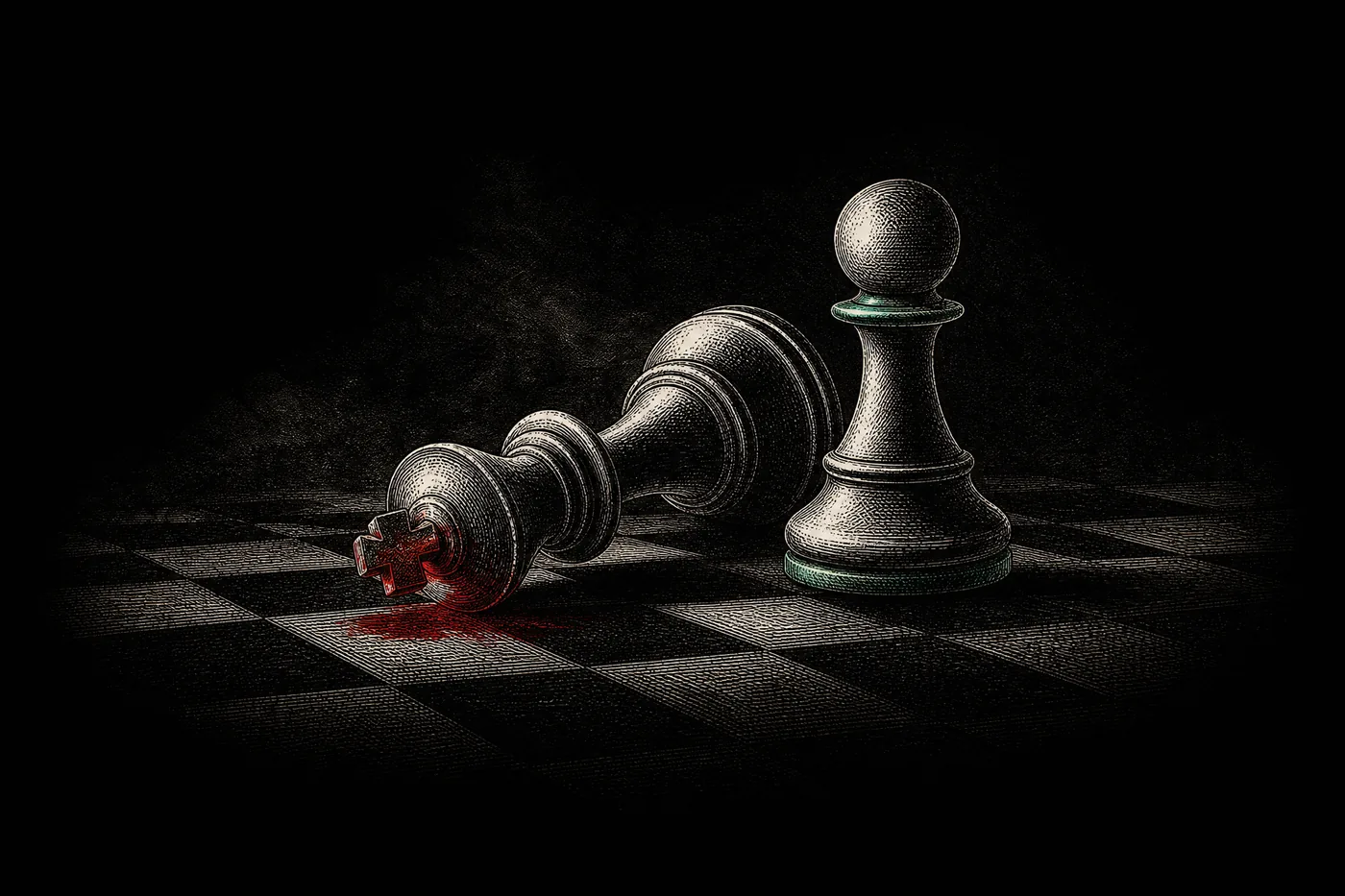
Winning the crown — the 1963 match with Botvinnik
Some of Petrosian’s finest work is a whole match, not a single game. In 1963 he challenged the towering Mikhail Botvinnik — the “Patriarch” of Soviet chess — for the world title. Botvinnik was famous for his preparation and his ability to grind opponents down. Petrosian’s answer was to out-solid the most solid player alive.
He soaked up Botvinnik’s pressure, gave nothing away, and slowly turned the screw, winning the match 12½–9½ to become the 9th World Champion. It was a triumph of patience over power: Petrosian simply refused to lose the kind of positions that beat everyone else, and picked his moments to pounce. The match is a masterclass in how not losing can be its own form of winning.
The man who ended Fischer’s streak (1971)
Here’s a fact that surprises people. Bobby Fischer’s legendary run of 20 consecutive wins against elite grandmasters — one of the most dominant streaks in history — was finally halted by Petrosian. In their 1971 Candidates final, Petrosian beat Fischer to snap the streak, the only top player to solve the Fischer puzzle even briefly during that stretch.
Fischer went on to win the match convincingly (6½–2½) and march toward the world title. But that one Petrosian win is a lasting testament to just how hard “Iron Tigran” was to get past — even the era’s most unstoppable force ran into him and stalled.
Why Petrosian’s games still matter
Most “best games” collections teach you how to attack. Petrosian teaches something rarer and, honestly, more useful for club players: how not to lose. His games show how to spot the opponent’s plan early, how to trade a little material for lasting control, and how to make a position so airtight that your opponent slowly runs out of ideas. Study Petrosian and you don’t just learn tactics — you learn judgment.
FAQ
What is Tigran Petrosian’s most famous game? The 1953 game against Samuel Reshevsky at Zurich, featuring 25…Re6, the positional exchange sacrifice that’s still the textbook example of the idea. The game was drawn, but the concept became legendary.
Did Petrosian ever win a brilliant attacking game? Yes — Game 10 of his 1966 title defense against Boris Spassky is often called his “immortal,” a sparkling win where he used his exchange-sacrifice mastery to attack rather than defend.
How did Petrosian become World Champion? By defeating Mikhail Botvinnik 12½–9½ in their 1963 match — a triumph of patience, safety, and iron defense.
Is it true Petrosian beat Bobby Fischer? Yes. Petrosian ended Fischer’s famous 20-game winning streak in their 1971 Candidates final, though Fischer won the overall match 6½–2½.
Where can I play through Petrosian’s games move by move? Well-annotated versions live in the major online databases and in the Chess.com and Wikipedia coverage cited in our sources below.
Keep exploring
Back to Tigran Petrosian’s profile · his playing style · his openings · his rating history · fun facts · or browse all chess players.
Written and fact-checked by the Chess Lab Academy Editorial Team · Facts verified against Wikipedia, Chess.com, and the World Chess Hall of Fame, as of July 2026 · Last verified 2026-07-10 · How we verify content.
