

Pentala Harikrishna is the kind of grandmaster other professionals quietly respect. He isn’t famous for wild sacrifices or headline-grabbing attacks; he’s famous for being incredibly difficult to beat. His style is the classic modern-elite blend of deep preparation, positional soundness, and world-class endgame technique — the toolkit that carried him into the world’s top 10 and kept him there. Let’s break down what actually makes his chess tick.
The one-line version
Harikrishna is a solid, deeply-prepared classical player who wins by accumulating small advantages and converting them with clean technique — especially in the endgame. He’d rather squeeze you slowly in a long, correct game than gamble on a speculative attack. Think of him as a professional’s professional: consistent, hard to crack, and dangerous precisely because he almost never beats himself.
Strength 1: Deep, disciplined opening preparation
At the top level, you don’t spend years in the top 10 without serious homework, and Harikrishna’s preparation is a genuine weapon. He tends to build his repertoire around a small number of systems he understands to the bone rather than constantly reinventing himself — the mark of a “team player” repertoire that he can trust under any pressure.
That depth shows up most clearly in his beloved Taimanov Sicilian, a flexible Black setup he knows so thoroughly that he has taught complete courses on it. When your opening knowledge runs that deep, you reach the middlegame with a plan already in hand while your opponent is still finding their footing.
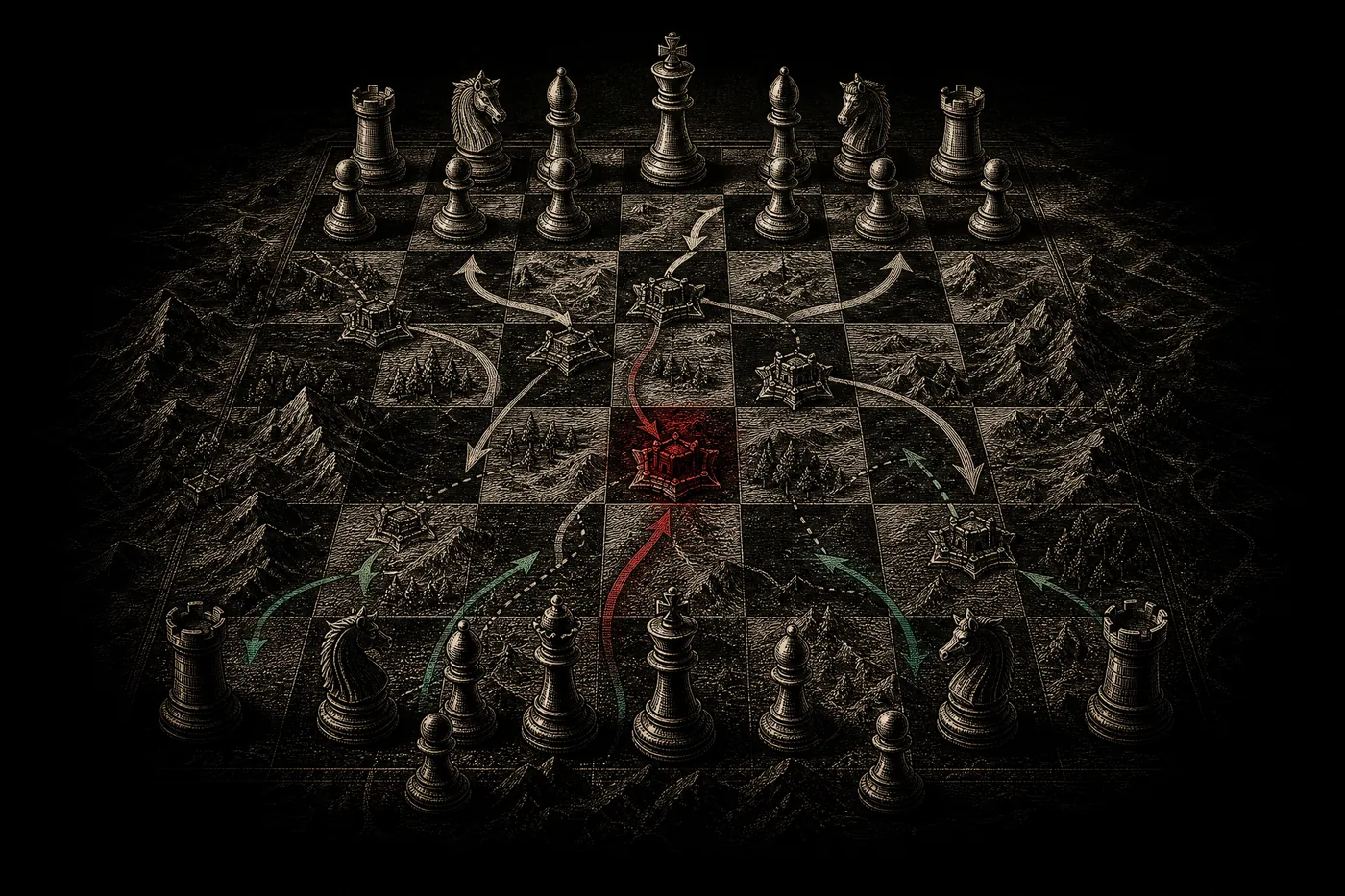
Strength 2: Positional soundness — the “no weaknesses” approach
Harikrishna’s games are built on structure. He values healthy pawn formations, well-placed pieces, and long-term pressure over short-term flash. With White he’s happy to steer the game into calm, maneuvering territory — systems like the Torre Attack let him build a position brick by brick rather than rolling the dice in a theoretical shootout.
The payoff of this “no weaknesses” approach is resilience. Because he rarely allows himself a bad position, he’s a nightmare to beat — opponents who need a win against him often have to over-press, and that’s exactly when a technician like Harikrishna pounces.
Strength 3: Endgame technique that finishes the job
If there’s one phase where Harikrishna truly shines, it’s the endgame. He has a well-earned reputation for “endgame magic” — the ability to nurse a tiny edge across the finish line, or to defend a slightly worse position until it holds. In an era of engine-perfect defense, being able to actually convert small advantages against elite opposition is a rare and valuable skill, and it’s a big part of why his results have been so steady over the years.
This is also what ties his style back to the great Viswanathan Anand tradition of Indian chess: technical excellence, calm under pressure, and the patience to win games that are decided by a single accurate move dozens of moves deep.
Strength 4: Consistency and stamina
A single brilliant game is one thing; being reliable across an entire long tournament is another. Harikrishna’s biggest wins — the World Junior title, the Tata Steel Group B and Biel victories — all came in grinding, multi-round events where consistency wins the trophy. His ability to keep producing sound, professional chess round after round is arguably his defining competitive trait. He’s the anchor, not the wildcard.
The flip side
Every style has a trade-off. A player this solid and correct will naturally draw a lot of games against fellow elites, because he doesn’t force matters when the position doesn’t warrant it. Critics sometimes wish he’d take more risks. But that same solidity is exactly what made him a world top-10 fixture and India’s dependable No. 2 for years — you don’t get to 2770 by gambling. It’s a style built to last, and it did.
How to learn from Harikrishna’s style
You don’t need a 2770 rating to borrow from his approach:
- Pick a few openings and learn them deeply rather than dabbling in many. Depth beats breadth.
- Respect your pawn structure. Avoiding weaknesses is a genuine winning strategy, not a boring one.
- Study endgames. Converting small edges — and holding tough defenses — wins more rated points than most people expect.
- Value consistency. Not losing is underrated; the wins tend to follow when you stop handing out gifts.
FAQ
What kind of chess player is Pentala Harikrishna? A solid, deeply-prepared classical grandmaster who wins with positional understanding and excellent endgame technique. He’s known for being extremely hard to beat rather than for flashy attacks.
Is Harikrishna an attacking or positional player? Primarily positional. He prefers sound structures and long, technical games, though he’ll happily punish an opponent who over-extends.
What is Harikrishna best at? His endgame technique and opening preparation are his standout strengths, backed by remarkable consistency across long tournaments.
Why did Harikrishna reach the world top 10? By being reliable and nearly weakness-free — accumulating small advantages, converting endgames, and rarely losing — which added up to a peak rating of 2770 and a No. 10 world ranking in 2016.
Keep exploring
See the style in action in his best games, explore his openings, trace the numbers in his rating history, head back to the main profile, or browse all chess players.
Written and fact-checked by the Chess Lab Academy Editorial Team · Facts verified against Wikipedia, his FIDE profile, and Chess.com, as of July 2026 · Last verified 2026-07-10 · How we verify content.
