

If you had to sum up Le Quang Liem in one phrase, it would be “solid, but sharp.” In classical chess he plays some of the most well-prepared, hard-to-beat chess at the top of the game — but hand him a fast time control and a different player emerges: a tactical marksman who calculates at blistering speed. That combination is exactly what made him a World Blitz Champion.
Rock-solid and deeply prepared
The foundation of Le’s game is soundness. He builds his positions carefully, keeps his king safe, and rarely walks into trouble straight out of the opening — because he’s usually better prepared than the person across the board. That preparation is a big part of how a player from a country with little elite chess infrastructure climbed all the way into the world’s top 15: he did his homework, trusted well-tested openings, and made himself extremely difficult to surprise.
That “difficult to beat” quality is a real weapon at the top level. Elite opponents don’t hand you much, so the player who makes the fewest mistakes over a long game tends to come out ahead. Le has built his classical style around being that player — patient, accurate, and unflappable.
The razor-sharp tactical eye
Here’s the twist that makes Le so dangerous: underneath the calm, solid surface is a superb tactician. He isn’t a dull, drawish grinder — he has a genuinely sharp eye for tactics and pounces the instant a combination appears. That’s why so many of his best wins pivot on a sudden, precise strike that turns a quiet position into a decisive one.
You can see this in his opening choices as Black, where he’s happy to walk into the sharpest theoretical battles in chess — like the Sicilian Defense and its famously double-edged Najdorf Variation. These aren’t openings for players who fear complications; they’re for players who back their calculation. Le’s willingness to enter them tells you everything about his confidence in a knife fight.
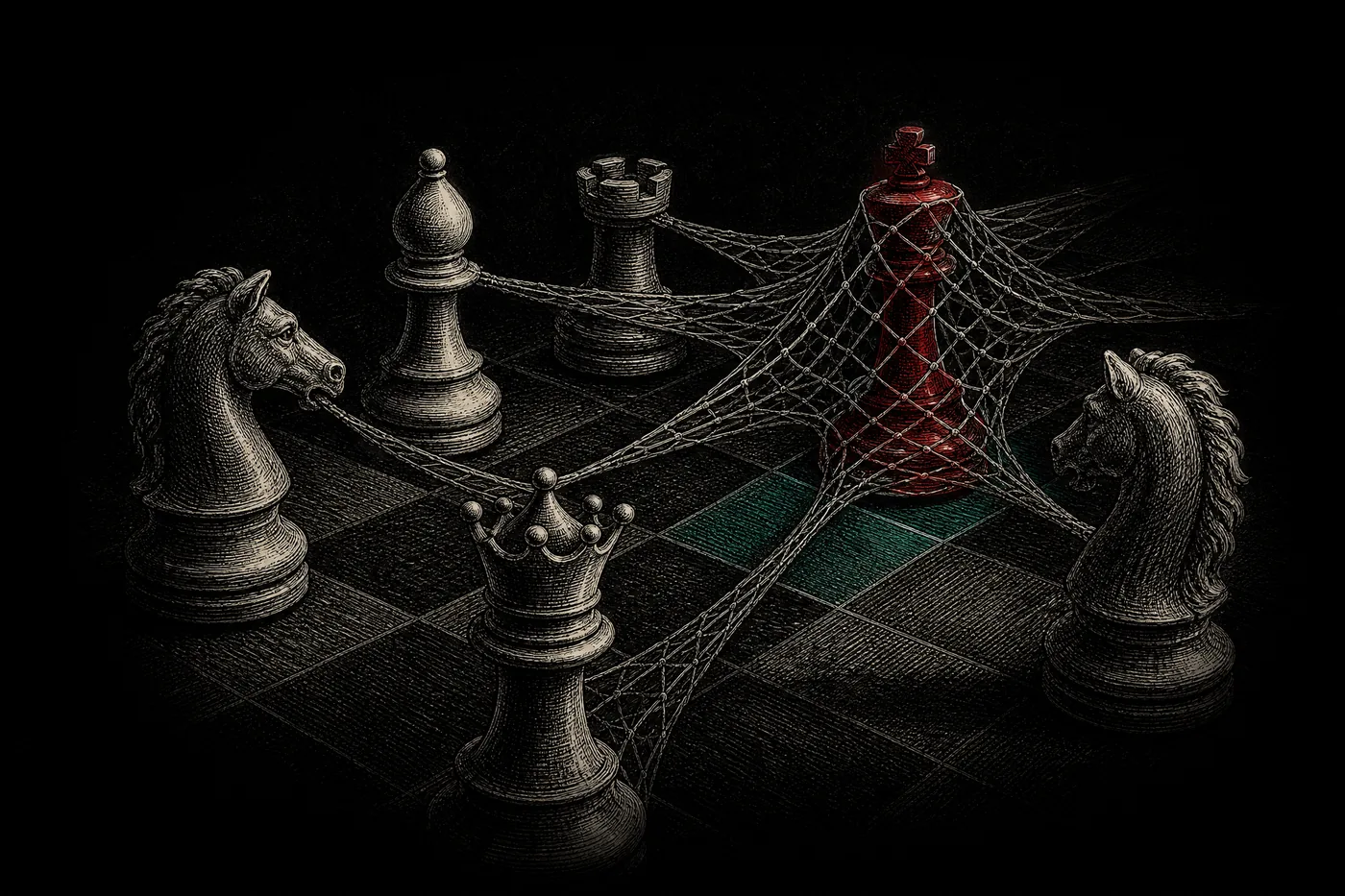
The speed-chess specialist
Le’s crowning achievement — the 2013 World Blitz Championship — is the clearest window into his style. Blitz strips chess down to raw understanding and fast, accurate decisions, with no time to calculate everything to the end. To win a world blitz title against the planet’s best, you need pattern recognition, nerve, and the ability to find good moves in seconds. Le has all three in abundance.
His speed-chess strength flows directly from his classical qualities: because his understanding is so deep and his tactics so sharp, he doesn’t need much time to find the right idea. When the clock speeds up and other players start cracking, Le keeps producing clean, dangerous chess. It’s the same skill set, just running at a higher frame rate.
Resilient under pressure
There’s a mental dimension to Le’s game that’s easy to miss: he’s remarkably resilient. Winning back-to-back Aeroflot Opens — a tournament famous for punishing the smallest lapse — and holding a lead across an entire world blitz championship both demand the ability to keep your composure when the stakes are highest. Le rarely lets one bad moment snowball into a bad tournament. That steadiness is why he keeps showing up in the winner’s circle across formats and decades.
His best games are full of moments where a lesser player might have wobbled, and Le simply kept making good, solid moves until the position — or the clock — broke his way.
How his style compares to his peers
It’s useful to place Le next to some fellow elite grandmasters. Wesley So — who, like Le, passed through the Webster University chess program — is the ultimate risk-free technician, quietly grinding out wins without complications. Le is a bit more two-sided: just as solid in the setup, but more willing to enter sharp, tactical positions and win with a sudden strike. Where a pure grinder waits for you to crack, Le is happy to create the crack himself with a well-timed combination.
That flexibility is exactly why he’s so effective across formats. In a long classical game he’ll out-prepare and out-last you; in blitz he’ll out-calculate you at speed. Few players are genuinely elite at both ends of the spectrum, and that range is the heart of his identity. You can see how it shapes his opening repertoire, too.
What casual players can learn from Le
You don’t need a 2700 rating to borrow the best parts of Le Quang Liem’s approach. His habits scale down to club and casual chess beautifully:
- Get your openings right. Le rarely gets surprised because he knows his lines. You don’t need dozens — learn a couple of solid openings well and you’ll start every game on comfortable ground.
- Be solid first, sharp second. Keep your king safe and your position sound before you go hunting. A solid base is what lets you strike safely when the chance comes.
- Train your tactics. Le’s edge is spotting the decisive shot fast. Regular tactics practice is the single highest-value thing most casual players can do.
- Play some speed chess. Fast games sharpen your instincts and pattern recognition — exactly the muscles that make Le so dangerous. Just don’t let them replace slow, thoughtful play entirely.
Style in one line
Solid and deeply prepared, with a tactician’s killer instinct — and a speed demon when the clock runs fast. It’s the blend that turned a grandmaster from Vietnam into a world champion.
Keep exploring
See the approach in action in his best games, get the full opening repertoire, follow his rating history, or head back to the Le Quang Liem profile. Curious about a fellow Webster grandmaster? Meet Wesley So.
Written and fact-checked by the Chess Lab Academy Editorial Team · Facts verified against Wikipedia, his FIDE profile, and Chess.com, as of July 2026 · Last verified 2026-07-10 · How we verify content.
