

Ask anyone who follows women’s chess to describe Harika Dronavalli’s game in three words, and you’ll hear the same ones over and over: solid, patient, resilient. She isn’t the player who sets the board on fire with a wild sacrifice in the opening. She’s the player who quietly builds an unbreakable position, defends like a wall when she has to, and then — when you least expect it — converts a tiny edge with flawless technique. Let’s break down what that actually looks like.
A positional player at heart
Harika is a positional grandmaster. Her Chess.com profile puts it plainly: she “excels in positional battles.” That means she thinks in terms of long-term factors — pawn structure, space, piece activity, weak squares — rather than chasing short-term tactical fireworks.
In practice, she loves middlegames where she can maneuver: reroute a knight to a better square, trade off her worst piece, seize a key file or diagonal, and slowly improve until the position tips in her favor. It’s chess as a game of accumulation. Each move makes her position a little better and her opponent’s a little more awkward, until the “small” advantages add up to a decisive one.
The structure above — reached from her beloved English Opening — is exactly her kind of battleground. There are no immediate fireworks. Both sides fianchetto, castle, and jockey for control of the central squares. Positions like this reward the player with more patience and better understanding, and that’s usually Harika.
Resilient defense — the toughest out in the room
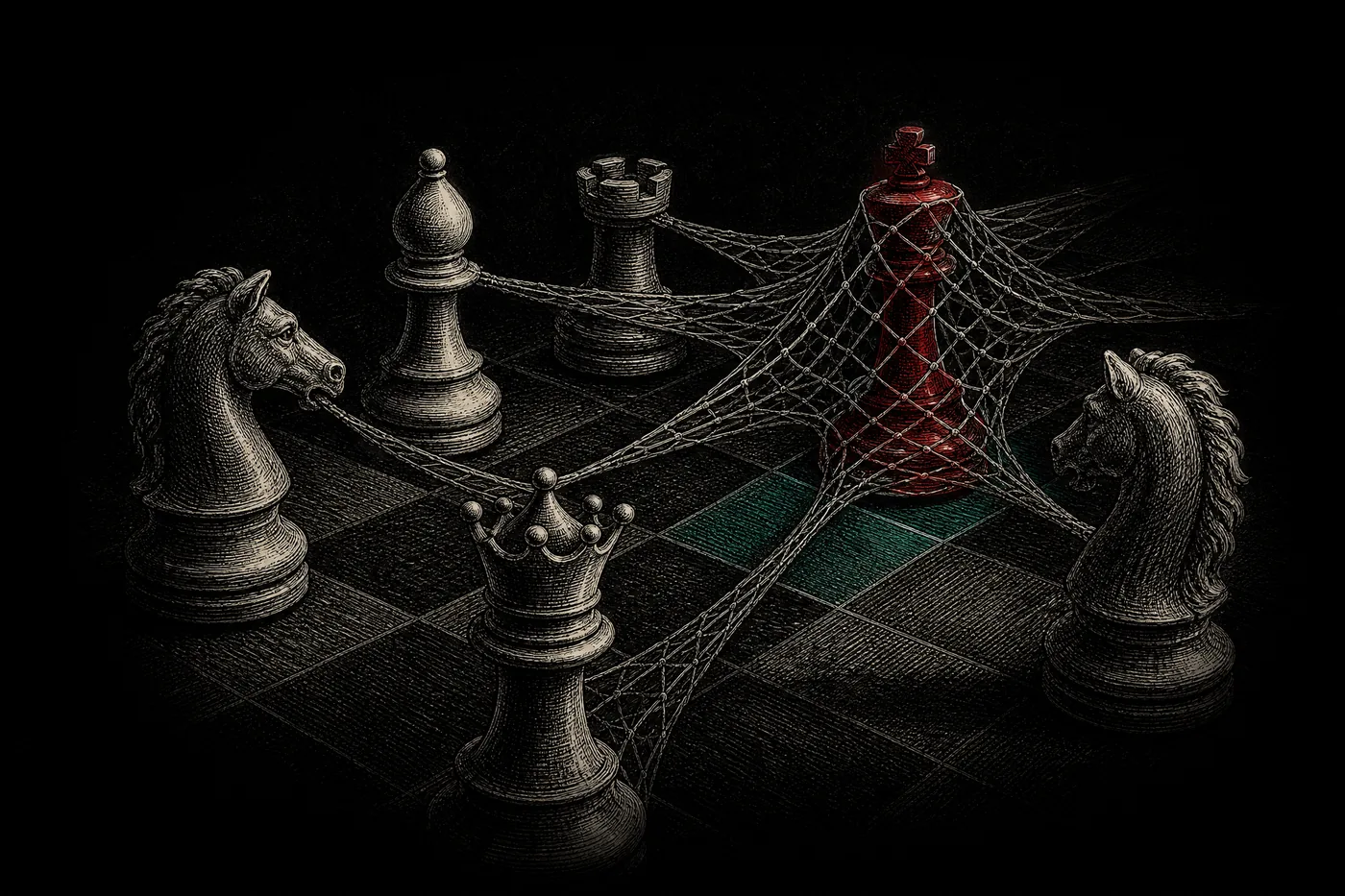
If there’s one trait that defines Harika above all, it’s resilience. She is exceptionally hard to beat. When an opponent gets the initiative, she doesn’t panic or lash out; she hunkers down, finds the most stubborn defensive setup, and makes her opponent prove they can convert. Time and again, positions that look grim for her end up as draws — or even wins after the attacker overreaches.
This defensive toughness is a huge part of why she’s medaled so consistently at the Women’s World Championship (bronze in 2012, 2015 and 2017). The knockout format punishes players who crack under pressure. Harika’s ability to hold difficult positions and drag opponents into tie-breaks made her a nightmare matchup in exactly those high-stakes moments.
Endgame technique
Patient, positional players almost always become strong endgame players, and Harika is no exception. Because she’s happy to trade pieces and steer the game toward simplified positions where her small advantages matter most, she reaches a lot of endgames — and she plays them cleanly and accurately.
Her endgame skill is the natural payoff of her whole approach: build a small edge in the middlegame, trade down into a technical position, and then convert with precise, low-risk play. It’s not glamorous, but it wins games and it almost never loses them.
The well-timed strike
Here’s the part that keeps opponents honest: Harika’s solidity is not passivity. When the position calls for it, she can play sharply and even sacrifice material. Her Chess.com profile highlights a win over the reigning Women’s World Champion at the 2020 Lausanne Grand Prix in which she used a temporary rook sacrifice to break through on the kingside — the reward for all that patient buildup.
That’s the key nuance. She waits, improves, and controls the position, but she pounces decisively once the groundwork is done. The calm exterior hides a player perfectly willing to go for the throat at the right moment.
The practical edge
There’s a reason Harika’s style translates so well into real, over-the-board results rather than just pretty analysis: it’s low-risk and high-stamina. By avoiding unsound complications and keeping her positions structurally sound, she rarely hands opponents a free half-point through a blunder. That reliability compounds over a long tournament. Where flashier players swing between brilliant wins and painful losses, Harika’s scoreline tends to be a steady stream of draws and wins — exactly the profile that racks up medals in marathon events and knockout brackets. In chess, being consistent is its own kind of brilliance, and few players embody that better.
How to picture her style
- Openings: sound and flexible, not razor-sharp theory duels — the English Opening as White; the Sicilian and King’s Indian Defense as Black.
- Middlegame: maneuvering and accumulation — improve every piece, control key squares, avoid weaknesses.
- Defense: stubborn and resourceful — arguably her single greatest weapon.
- Endgame: precise and technical — where her small edges become full points.
- Temperament: unflappable — she thrives in long, tense games and knockout pressure.
For a player who values structure and stamina over chaos, this is close to the ideal profile. It’s the style that’s kept her among the world’s elite women for the better part of two decades.
FAQ
Is Harika Dronavalli an attacking or positional player? Primarily positional. She excels at slow maneuvering, solid structures, and endgames — though she’ll strike sharply, even sacrifice, when the position is ripe.
What is Harika Dronavalli’s greatest strength? Her resilience and defense. She is extremely hard to beat, which has made her a consistent medalist in high-pressure knockout events.
What can club players learn from Harika’s style? The value of patience and solidity: don’t force the action, improve your pieces, keep your structure sound, and trade into favorable endgames. Being hard to beat is a superpower.
Keep exploring
Back to the Harika Dronavalli profile · her best games · her openings · her rating history · fun facts & records · or browse all chess players.
Written and fact-checked by the Chess Lab Academy Editorial Team · Facts verified against Wikipedia, her FIDE profile, and Chess.com, as of July 2026 · Last verified 2026-07-10 · How we verify content.
