

Ask a coach how to get better at chess and, sooner or later, you’ll hear: “study Fischer’s games.” There’s a reason. Bobby Fischer’s style is unusually clean — his moves are easy to follow even when they’re brilliant, which makes him one of the best players to learn from. So what actually made him so hard to beat? Let’s break it down.
The short version: Fischer combined deep, principled opening preparation, relentless pressure in the middlegame, and flawless endgame technique. Chess.com sums him up as “a complete player” — genuinely excellent in every phase of the game.
Crystal clarity over chaos
Some legends win by dragging opponents into a jungle of complications. Fischer usually did the opposite: he simplified the picture. He looked for the objectively best move, trusted classical principles — piece activity, the center, the initiative — and played with a directness that made his intentions obvious and yet still impossible to stop.
That clarity is exactly why his games are so instructive. When Fischer wins, you can usually see why: a better bishop, a healthier pawn structure, a more active rook. There’s rarely a mysterious computer move that only an engine would understand. His chess feels human and logical, and that’s a big part of his lasting appeal.
Opening preparation ahead of his time
Fischer took the opening more seriously than almost anyone of his generation. He studied lines to a depth that surprised opponents, and he stayed loyal to a compact, deeply-understood repertoire rather than spreading himself thin. As White he was famous for 1.e4 — “best by test,” in his words — funneling games into the Ruy Lopez and sharp attacking lines against the Sicilian.
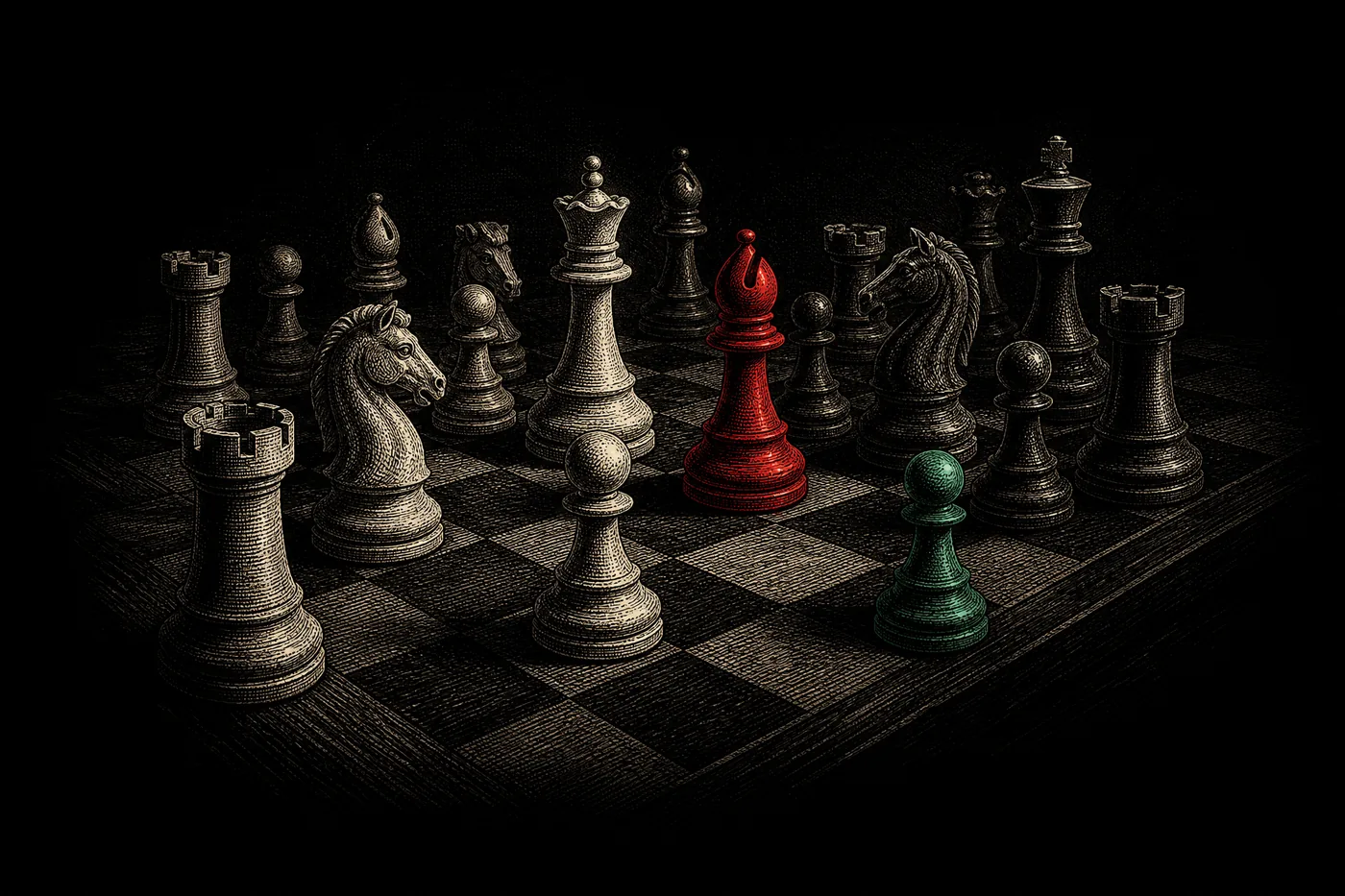
But he didn’t just memorize; he understood. He knew the resulting middlegames so well that he’d steer into positions where his plans practically played themselves. The board below is a classic Ruy Lopez setup — exactly the kind of slow-burn structure where Fischer’s understanding gave him an edge move after move.
His full repertoire is broken down on the openings page.
Relentless pressure
Once Fischer got even a small advantage, the pressure never let up. Opponents often described a feeling of being slowly, methodically squeezed — no single knockout blow, just a steady tightening until the position collapsed. He didn’t offer easy draws or drift; he pushed, probed, and asked hard questions on every move.
That persistence is one reason he could rack up scores that looked impossible. His 20-game winning streak in 1970–71, including 6–0 sweeps of Mark Taimanov and Bent Larsen, wasn’t luck — it was the product of never releasing the tension and never giving strong opponents a free half-point.
Endgame technique that never slipped
Fischer’s endgames were a thing of beauty. Chess.com specifically praises his endgame play as “exceptional,” and it’s easy to see why: he converted tiny advantages with a precision that made winning look routine. A slightly better structure, an extra tempo, a more active king — in Fischer’s hands, those small things reliably became full points.
This is the part of his game most worth copying. You don’t have to be a tactical genius to benefit from Fischer’s example; you just have to learn to nurse small edges carefully and not let them slip. It’s a skill every improving player needs.
Sharp when it counted
None of this means Fischer was dull — far from it. He could calculate tactics with the best of them, as the teenage queen sacrifice in the Game of the Century proves. In his Black repertoire he happily walked into the most dangerous lines of the Najdorf Sicilian, inviting mutual attacks. The difference is that his tactics almost always served the position — they weren’t fireworks for their own sake, but the logical consequence of everything he’d built.
What you can steal from Fischer’s style
- Play principled openings you actually understand — depth beats breadth.
- Keep the pressure on. Don’t rush to trade or offer draws when you’re better; make your opponent solve problems.
- Treat the endgame as a real skill. Small advantages win games if you convert them cleanly.
- Let tactics grow out of good positions, rather than hunting for tricks in bad ones.
FAQ
How would you describe Bobby Fischer’s playing style in one line? Clear, classical, and relentless — deep opening prep, steady pressure, and flawless technique, with sharp tactics when the position called for them.
Was Fischer an attacking or positional player? Both, really. He’s best described as a complete, universal player who could win with a brilliant attack or a quiet positional squeeze — whatever the position demanded.
Why do coaches recommend studying Fischer’s games? Because his moves are so logical and clear that improving players can actually understand why they work, without needing an engine to explain them.
What was Fischer’s biggest strength? It’s hard to pick one, but his combination of deep opening knowledge and untouchable endgame technique meant he rarely gave strong opponents any way back into a game.
Keep exploring
Back to Bobby Fischer’s profile · his best games · his openings · his rating history · fun facts · or browse all chess players.
Written and fact-checked by the Chess Lab Academy Editorial Team · Facts verified against Wikipedia, Chess.com, and the World Chess Hall of Fame, as of July 2026 · Last verified 2026-07-10 · How we verify content.
