

If you had to sum up Alexandra Botez’s chess in a couple of words, they’d be aggressive and tactical. She’s an attacking player at heart — she likes her pieces active, her lines open, and her games decided by a well-timed combination rather than a hundred moves of quiet maneuvering. It’s a fun, watchable style, and that’s no coincidence: the way she plays is a big part of why her chess content is so entertaining.
Style at a glance
- Core instinct: attack. She goes for active pieces and open positions over slow, closed games.
- Strength: tactical awareness — she’s happiest when the position sharpens and calculation decides it.
- Level: a strong Woman FIDE Master (peak ~2092), a solid national-level competitor.
- Superpower: communicating chess. Her real edge is making the game fun, not out-preparing super-GMs.
An attacker by nature
Watch Alexandra play and the pattern is clear: she wants initiative. Her over-the-board chess, going back to her junior and Olympiad days, has always leaned on active piece play and tactical alertness — putting pieces on aggressive squares, pushing for the attack, and pouncing when an opponent slips. She’d rather create chances and take a risk than shuffle pieces waiting for something to happen.
That instinct suits her personality on camera, too. Aggressive chess is exciting chess — sacrifices, threats, sharp tactics — and a player who naturally gravitates toward that produces the kind of game viewers actually want to watch.
At home in sharp positions
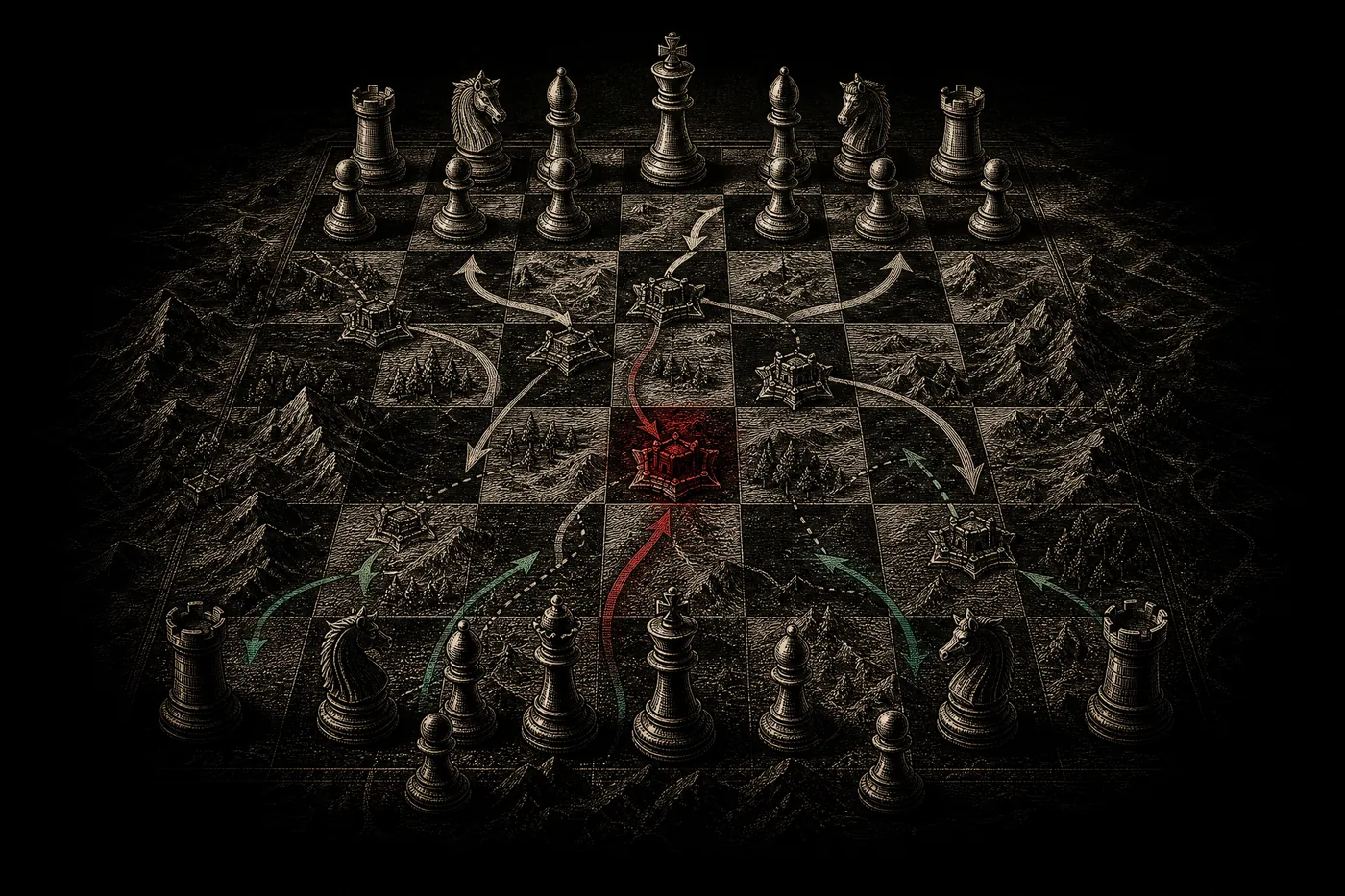
The clearest window into Alexandra’s style is the type of position she gravitates toward: open, double-edged, tactical. Give her a game where both sides are attacking and the tactics are flying, and she’s in her element. The Sicilian structure below is a perfect example of that kind of battleground — asymmetric, aggressive, and full of tactical landmines for both sides.
With the black pieces she’s often turned to the King’s Indian Defense, one of the most uncompromising counter-attacking systems in the game — a natural fit for someone who wants the position to catch fire. Against 1.e4 she’s comfortable in the sharp waters of the Sicilian. Both choices tell the same story: she plays for the win, not the draw.
Honest about the level
Here’s where fact discipline matters. Alexandra is a genuinely strong player — a titled WFM who was a multiple-time national junior champion and beat an International Master as recently as 2024. But she is not an elite competitor in the super-grandmaster sense, and she’s the first to say so. Her peak rating of around 2092 places her as a strong club-and-national-level player, not a top-100-in-the-world talent.
That’s not a knock — it’s context. The vast majority of tournament players never reach a WFM title or an Olympiad squad. What makes Alexandra special isn’t that she out-calculates Magnus Carlsen; it’s that she can explain and dramatize chess at a level that connects with millions of people. Confusing her competitive strength with the very top of the game would be a mistake in either direction: underrating a real, earned title, or overrating it into something it isn’t.
The “Botez Gambit” — the flip side of attacking chess
There’s a reason her name became attached to a meme about blundering the queen. Aggressive, fast, entertaining chess — especially played live, while narrating your thoughts to thousands of viewers — is chess where mistakes happen. Alexandra dropped her queen on stream memorably enough that her fans coined the “Botez Gambit” for it. Rather than fight it, she leaned in, laughed, and made it part of the show.
It’s a genuinely revealing detail about her style and her appeal. A player obsessed with never looking bad would play safe, dull chess and hide their errors. Alexandra plays the fun stuff, blunders sometimes like everyone does, and makes the whole rollercoaster relatable — which is exactly why so many beginners feel like chess is for them when they watch her.
Faster formats and online chess
Like most modern streamers, a huge share of Alexandra’s chess happens online and at fast time controls — blitz and rapid games played live for an audience. Speed chess amplifies her natural style: with less time to calculate, the game rewards instinct, pattern recognition, and nerve, and it produces the swings, upsets, and yes, the occasional queen blunder that make for great viewing. It’s a very different beast from slow classical tournament chess, where a WFM faces a far tougher grind against titled opposition. Keeping those two contexts separate is part of judging any streamer’s chess fairly — being sharp and fun in online blitz doesn’t automatically translate to elite classical strength, and that’s true for almost everyone who plays fast chess on camera.
Style as a teaching tool
Because Alexandra’s chess is aggressive and concrete, it’s also great for teaching. Attacking ideas — pins, forks, sacrifices, mating nets — are the motifs that hook new players and give them their first taste of chess magic. Her content leans naturally into that: clear, exciting, tactical chess that shows newcomers what’s fun about the game, rather than drowning them in dry theory. Her style and her mission line up perfectly.
See it in action
Alexandra’s style comes through best in her games and her openings. Watch it play out in her best games, explore the repertoire that fuels it, or head back to the main Alexandra Botez profile. You can also meet her sister and co-host on the Andrea Botez profile.
Keep exploring
Her best games · her openings · fun facts & the Botez Gambit · or browse all chess players.
Written and fact-checked by the Chess Lab Academy Editorial Team · Facts verified against Wikipedia, her FIDE profile, and Chess.com, as of July 2026 · Last verified 2026-07-10 · How we verify content.
