
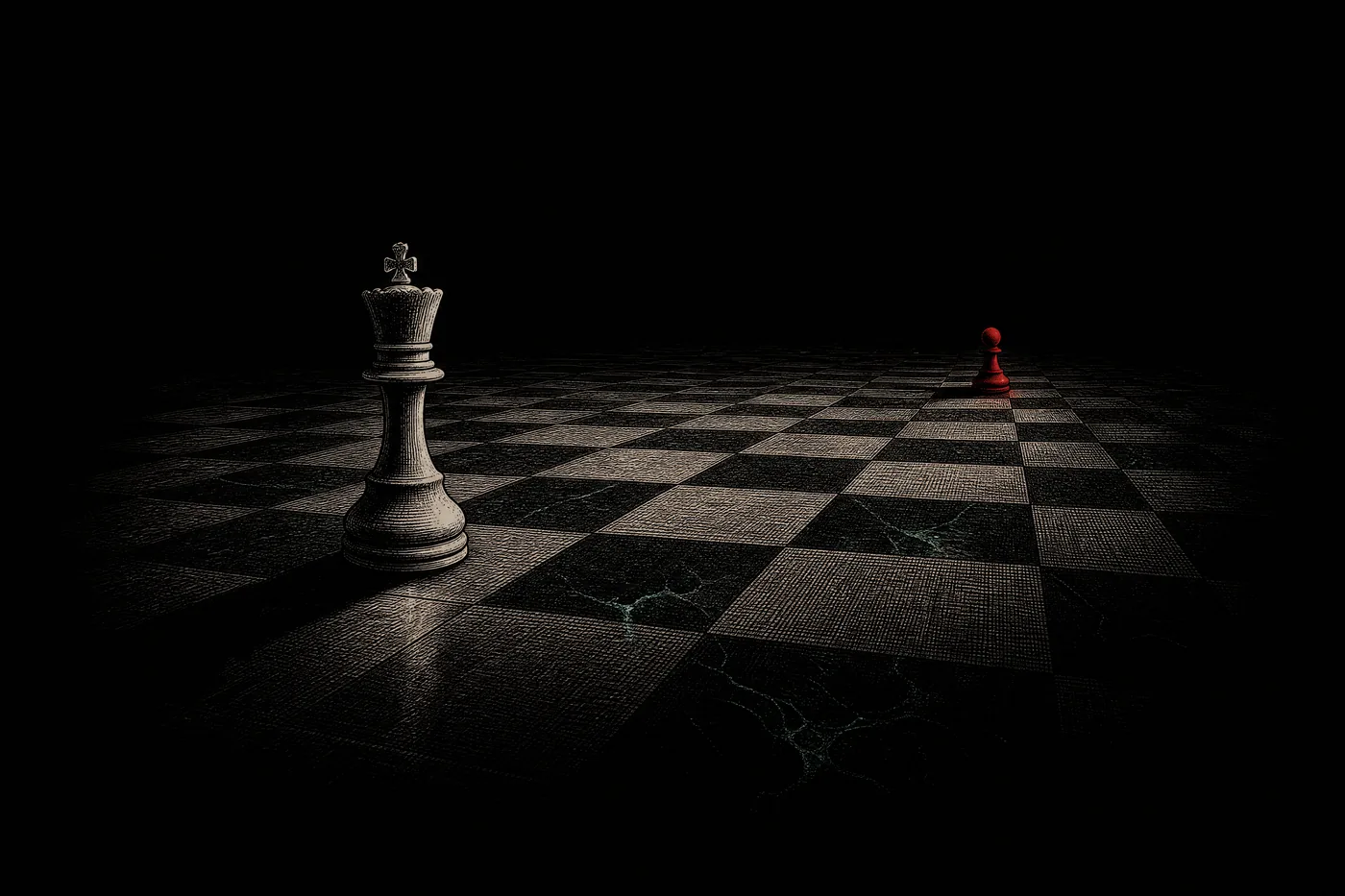
Key squares in chess are the handful of magic squares sitting in front of a pawn: if your king reaches one of them, your pawn promotes — guaranteed, no matter what the defender does. They’re the destination of the whole king-and-pawn endgame. The opposition is how you fight your way there; the key squares are the prize.
Learn where they live and you’ll stop guessing in pawn endings. You’ll just look at the board and know whether you can win.
The 10-second version
- Key squares = squares your king must reach to force a pawn through to promotion.
- General rule: for a pawn on its own half of the board, the three key squares sit two ranks ahead of the pawn.
- Reach one and you win regardless of whose move it is.
- Rook pawns (a- and h-file) are the exception — they have no winning key squares; lone-king defenses draw.
What are key squares, exactly?
A key square is a square where, if your king stands on it (or can reach it), the pawn is guaranteed to promote. The defending king simply can’t stop it. They’re the chess equivalent of capturing the high ground — once you’re there, the battle’s decided.
Look at how far in front the White king is — two full ranks ahead of its pawn. From a commanding post like this, the king escorts the pawn home and the lone defender can’t build a roadblock. That’s what occupying a key square buys you: an unstoppable promotion.
How do you find the key squares?
For a pawn that hasn’t yet crossed the middle of the board, here’s the rule that covers most cases:
- Look two ranks ahead of the pawn.
- The three squares on that rank — directly in front of the pawn and one to each side — are your key squares.
- If your king reaches any one of them, you win no matter whose move it is.
So for a White pawn on d2, the key squares are c4, d4, and e4 — two ranks up. Get your king to one of those with the pawn safely behind, and promotion is locked in. As the pawn advances up the board, its key squares advance with it.
There’s a bonus once your pawn reaches the sixth rank (for White) — at that advanced stage, even more squares become winning, because the pawn is so close to queening that the king needs less help. But the “two ranks ahead” rule is the workhorse you’ll use most.
How do key squares and the opposition work together?
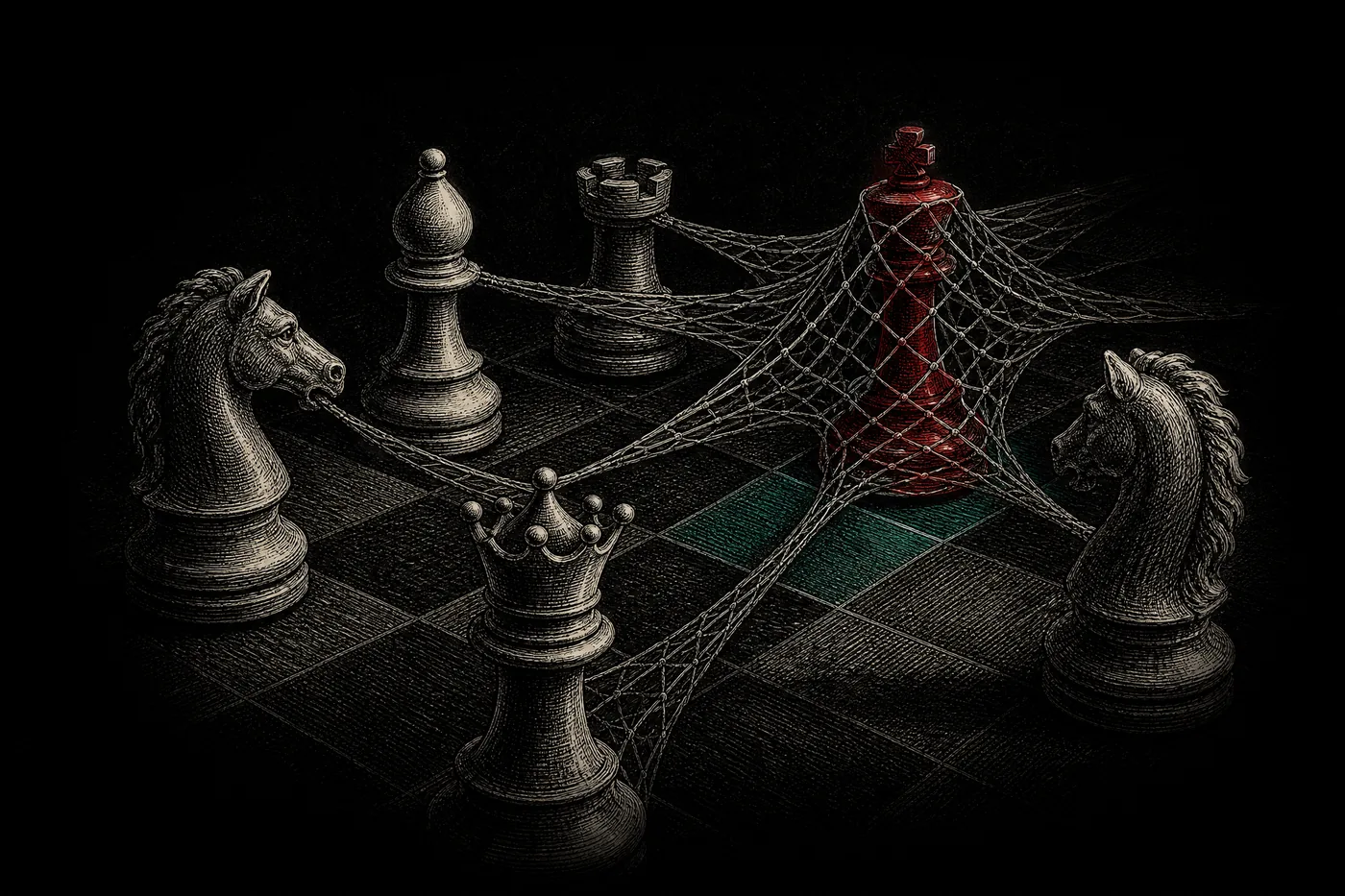
This is where it all clicks. Key squares are the goal; the opposition is how you get there.
The two kings are racing for the same real estate — those squares in front of the pawn. Neither can just barge through the other. So you use the opposition to force the enemy king to step aside, then your king slips onto a key square. Win the opposition battle at the right moment and you win the race for the key squares. Lose it, and the defender plants himself in your path for a draw.
The practical sequence: bring your king up, take the opposition, force the defender to give way, step onto a key square, then march the pawn home behind your king. That’s the entire king-and-pawn-versus-king win in one sentence.
Why do rook pawns ruin everything?
Because the a-file and h-file pawns have no winning key squares — they’re the great exception, and they break a lot of beginner hearts.
The problem is the edge of the board. With a rook pawn, the promotion square sits in the corner, and the defending king can park itself right in front and refuse to leave — there’s no room to outflank it, because there’s no board on the other side. Even with your king ideally placed, the lone defender shuffles into the corner and it’s a dead draw. So whenever you’re counting on a rook pawn to win, double-check: it usually doesn’t, by itself.
Common mistakes to dodge
- Aiming the king at the wrong rank. Two ranks ahead, not one. Standing right beside the pawn isn’t enough — you need to be commandingly in front.
- Pushing the pawn before grabbing a key square. Shove the pawn too early and you forfeit the king’s escort. King to the key square first, pawn second.
- Forgetting whose move decides the race. Reaching a key square wins regardless of turn — but reaching the square in front of the pawn one rank up only wins with the opposition in your favor. Know which is which.
- Trusting a rook pawn. The classic heartbreak. Many a “winning” rook-pawn ending is actually a draw. Treat a- and h-pawns as suspects until proven guilty.
- Ignoring the square rule on the way. If the enemy king is far off, you might not even need finesse — check the rule of the square first; the pawn may just run.
A fun bit of history
The concept of key squares was formalized by endgame theorists in the late 19th and early 20th centuries, who mapped out exactly which squares guaranteed a win for every pawn on every file. It was painstaking, hand-built theory — and when computer tablebases arrived decades later, they confirmed the old maps were spot-on, rook-pawn exception and all. Generations of players have memorized these magic squares, and the fact that a few specific squares can mathematically decide a game is one of the most satisfying truths in all of chess.
Key takeaways
- Key squares are the squares your king must reach to guarantee a pawn promotes.
- The rule: for a pawn on its own half, the key squares sit two ranks ahead (three squares wide).
- Reach one and you win regardless of whose move it is.
- Use the opposition to win the race to the key squares.
- Rook pawns are the exception — no winning key squares; the lone-king defense draws.
Keep climbing
You know where your king needs to go. Now make sure you actually win the race to get there — that’s a job for the opposition, and for spotting when a pawn can simply outrun the enemy king.
Next up: The opposition explained · Then check whether the pawn even needs help: the rule of the square · Foundation: king and pawn endgames · Hub: all endgames.
Written and fact-checked by the Chess Lab Academy Editorial Team (AI-assisted, human-edited) · Positions verified with Stockfish 17 and rules checked against the FIDE Laws of Chess · Last verified 2026-06-25 · Sources · How we verify content.
